Archive · 10 Nov 2025
China Begins Easing Rare Earth Export Rules, Not a Full Rollback
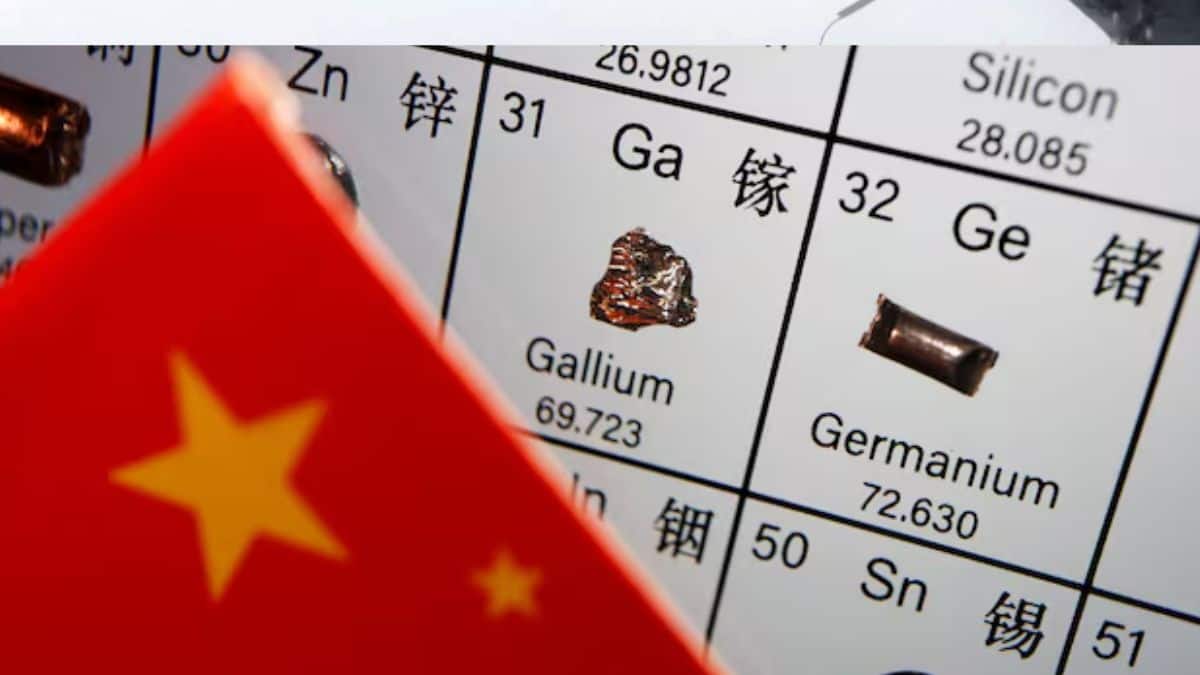
Imagine China is like the main supplier of special ingredients that many countries, including the US, need for making things like phones, cars, and even important defense equipment.
China had made it harder for these ingredients, called rare earths, to be sent out.
This was causing problems for other countries.
After leaders from China and the US talked, China agreed to stop making it harder to send out some of these ingredients for a year.
Now, China is planning a new way to give permission for these exports, which might make it faster.
However, some people think this new plan might not make it completely easy to get the ingredients, and it's not a full stop to all the previous rules.
This means there's still some uncertainty about how easy it will be for other countries to get these important materials.

China has begun designing a new rare earth licensing regime intended to potentially expedite export shipments.
This move is not expected to be a complete rollback of restrictions as Washington had hoped, according to industry insiders.
New licenses are anticipated to be valid for one year and may permit larger export volumes.
China had previously imposed restrictions requiring licenses for each cargo, which caused delays and shortages, impacting industries like automotive.
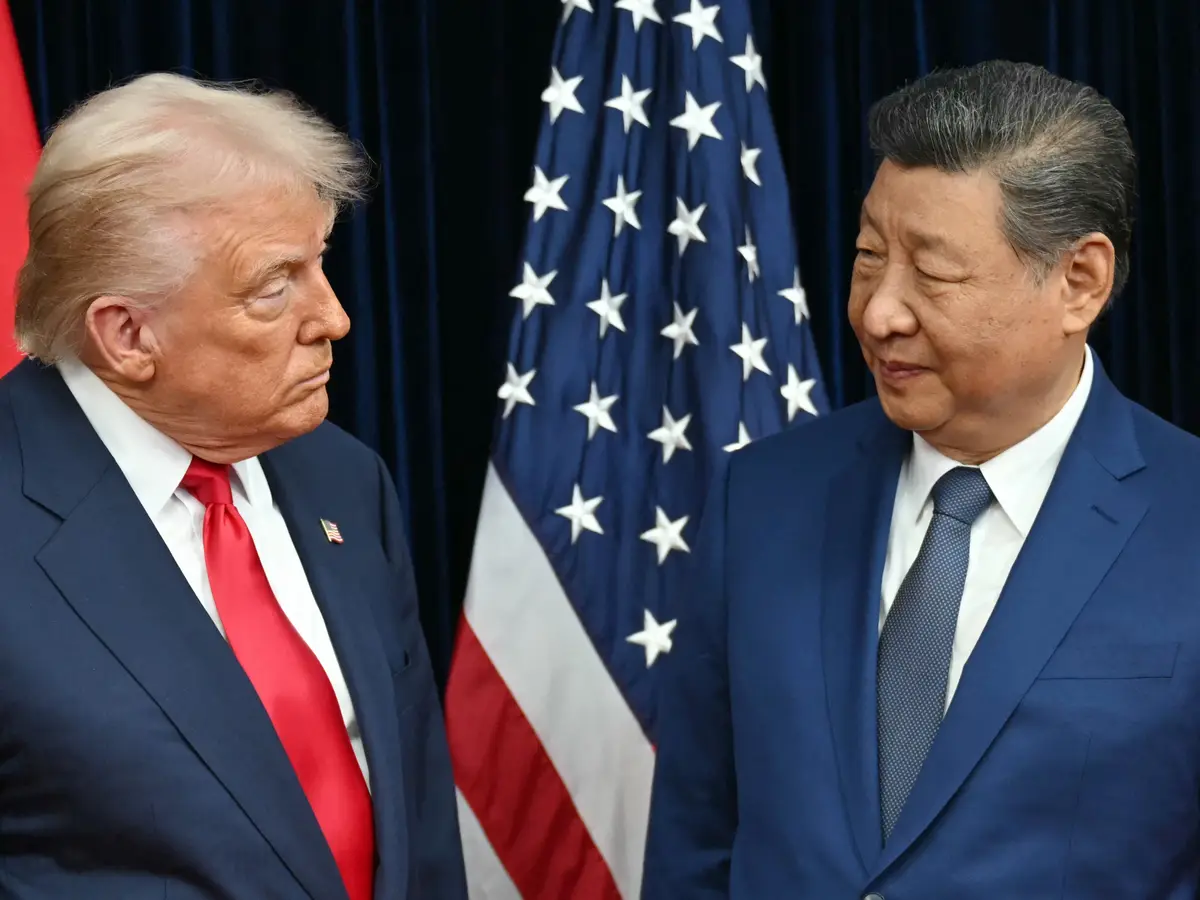
The easing of rules follows an agreement between Presidents Trump and Xi Jinping to pause certain restrictions for one year amid trade tensions.
- Who
- China's Ministry of Commerce and rare earth exporters
- What
- Begun designing a new rare earth licensing regime to potentially speed up shipments, but not a complete rollback of restrictions.
- When
- New licenses expected to be valid for one year; clarity by year-end. Pause on some restrictions is for one year.
- Where
- China
- Why
- To de-escalate trade tensions with the US following presidential talks and a pause on certain export restrictions.
China's Actions and Intentions
US and International Expectations
Nature of Export Rule Changes
China's Actions and Intentions
China is designing a new licensing regime to potentially speed up rare earth shipments, with new licenses expected to be valid for one year and possibly allow larger volumes. This follows an agreement to pause certain restrictions for one year.
US and International Expectations
The White House characterized the introduction of general licenses as the de facto end of China's rare earth export controls. However, industry insiders suggest this is not a complete rollback of all restrictions, particularly those introduced in April.
Scope of Easing
China's Actions and Intentions
China's Ministry of Commerce has outlined requirements for new streamlined permits. Some companies have not yet been informed, and licenses for sensitive sectors may be harder to obtain.
US and International Expectations
Washington had hoped for a complete rollback of restrictions. The new licensing system may still present challenges, as some Chinese rare earth companies have not been informed of the changes, and a significant portion of EU applications since April remain unapproved.
Impact on Global Supply Chains
China's Actions and Intentions
The move aims to de-escalate trade tensions and potentially increase export volumes after previous restrictions caused shortages, notably impacting the auto industry.
US and International Expectations
While China's export curbs have been its most potent leverage, the perceived incomplete easing of rules may not fully alleviate concerns about global supply chain stability, particularly for defense-related users.
- Materials Affected
- Rare earths, vital for products from cars to missiles.
- China's Global Share (Processed Rare Earths)
- Over 90%
- China's Global Share (Rare Earth Magnets)
- Over 90%
- Previous Restrictions
- Introduced in April, expanded in October, requiring licenses for every cargo.
- Pause on October Restrictions
- For one year, effective after agreement between Presidents Trump and Xi Jinping.
- New Licensing Regime
- In design, expected to be valid for one year, possibly allow larger volumes. Clarity expected by year-end. May be harder for sensitive sectors.
- EU Applications (April Onwards)
- Over half of 2,000 applications approved.