Archive · 19 May 2025
India's Air Defense System Foils Pakistan Attacks

Imagine India built a shield in the sky to stop bad guys from attacking.
During a recent event called Operation Sindoor, Pakistan tried to attack India with missiles and drones, but India's shield worked!
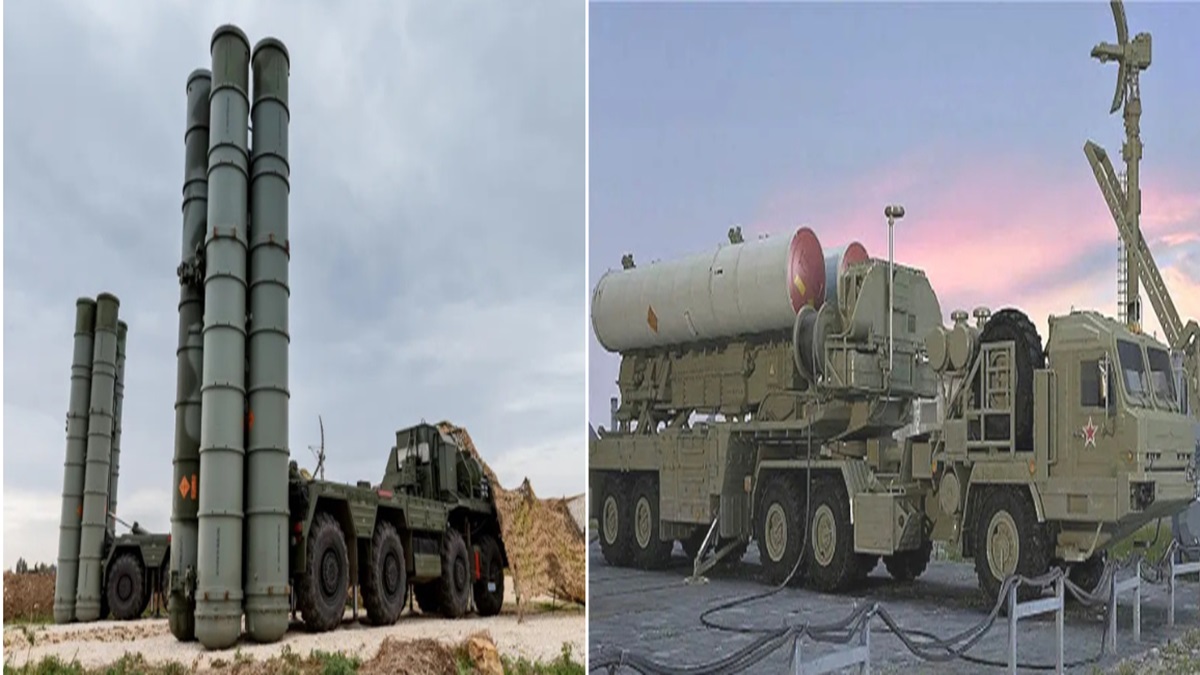
This shield has layers: short-range guns and missiles close to the ground, then missiles to protect important places, more powerful missiles to reach further, and finally, the S-400, a super-powerful system that can shoot down threats from far away.
These systems worked together to protect India by intercepting Pakistani attacks mid-air, like catching a ball before it hits you.

India's air defense system successfully thwarted Pakistani attacks between May 7-10.
A multi-layered system of radars and missiles protected Indian airspace.
The four layers included very short-range to long-range defense systems.
The S-400 system formed the outer layer, intercepting targets from up to 400 km.
Indigenous Akash missile systems also played a key role in defense.
- Who
- Indian Armed Forces and Pakistan
- What
- Successful interception of Pakistani attacks by India's air defense system during Operation Sindoor
- When
- Between May 7 and 10, during and after Operation Sindoor
- Where
- India-Pakistan border region
- Why
- To protect Indian airspace and infrastructure from Pakistani retaliatory strikes after Indian airstrikes
- Number of Layers in Air Defense
- 4
- Outermost Layer System
- S-400 Triumph
- S-400 Range
- 400 kilometers
- Indigenous missile
- Akash missile system
- Akash Missile Speed
- Mach 2.5 to 3.5
- Akash Missile Altitude
- 18 km