

Archive · 8 Nov 2025
India Positioned as Key Player in Democratic Rare-Earth Network

Imagine there are special rocks called rare earths that are super important for making things like phones, electric cars, and even military equipment.
Right now, China has most of these special rocks and controls how they are processed and turned into useful parts.
This gives China a lot of power.
Recently, China agreed to a one-year pause on making it harder to get these rare earths.
This pause gives countries like the United States and its friends a chance to find other sources.
India, a big country with lots of these special rocks and a big manufacturing industry, is seen as a strong option to help create a new network for these rare earths.
India is working on its ability to process these rocks and make important parts, like magnets, to become a reliable supplier.
If other democratic countries like the US and Japan help India, it could lead to a more stable and diverse supply of these important materials for everyone.

India is emerging as a key supplier and processor for a diversified rare-earth market, potentially creating a democratic rare-earth network.
A one-year delay in Chinese rare-earth export controls provides an opportunity for allies like the US and Japan to build alternative supply chains.
China currently dominates global rare earth mining, refining, and magnet production, creating geopolitical risks.
India offers scale and credibility, with a vast manufacturing base capable of absorbing downstream rare earth industries.
India is actively developing its rare earth sector, including improving processing capacity and planning incentives for magnet manufacturing.
- Who
- India, United States, Japan, Australia, Brazil, China, Chinese Ministry of Commerce, rare earth exporters, industry insiders, 'The Diplomat' report.
- What
- India is poised to become a significant player in a diversified, democratic rare-earth market, potentially becoming a third pillar alongside the US and Japan.
- When
- A one-year delay on Chinese rare-earth export controls offers a window of opportunity. India is actively pursuing rare earth development.
- Where
- Global rare-earth market, with a focus on India's potential role and China's dominance.
- Why
- To diversify the rare-earth market, reduce geopolitical dependence on China, and ensure stability in supply chains for defense, clean energy, and semiconductors.
Geopolitical Necessity
Current Market Realities
Diversification of Rare-Earth Market
Geopolitical Necessity
A one-year delay in Chinese export controls highlights the precarious global dependence on China and the urgent need for diversification.
Current Market Realities
China maintains a near-monopoly over rare earth mining, refining, and magnet production, making diversification challenging.
India's Role in Diversification
Geopolitical Necessity
India's vast manufacturing base and potential to absorb downstream industries make it a credible supplier and processor for a democratic rare-earth network.
Current Market Realities
India's processing capacity and environmental rules have historically lagged, though this is now changing with new initiatives.
- China's Rare Earth Market Share (Mining)
- Roughly 70% of global mining
- China's Rare Earth Market Share (Refining)
- Over 90% of global refining
- China's Rare Earth Market Share (Magnets)
- Almost entire production of high-performance magnets
- Key Rare Earth Minerals in India
- Monazite, bastnaesite
- Indian Initiatives for Rare Earths
- Negotiating with companies, planning fiscal incentive scheme for domestic magnet manufacturing, expanding refining capability, adapting high-purity separation technology.
- Potential Rare Earth Network Pillars
- United States, Japan, India
Sources
Exclusive-China starts work on easing rare earth export rules but short of Trump hopes, sources say
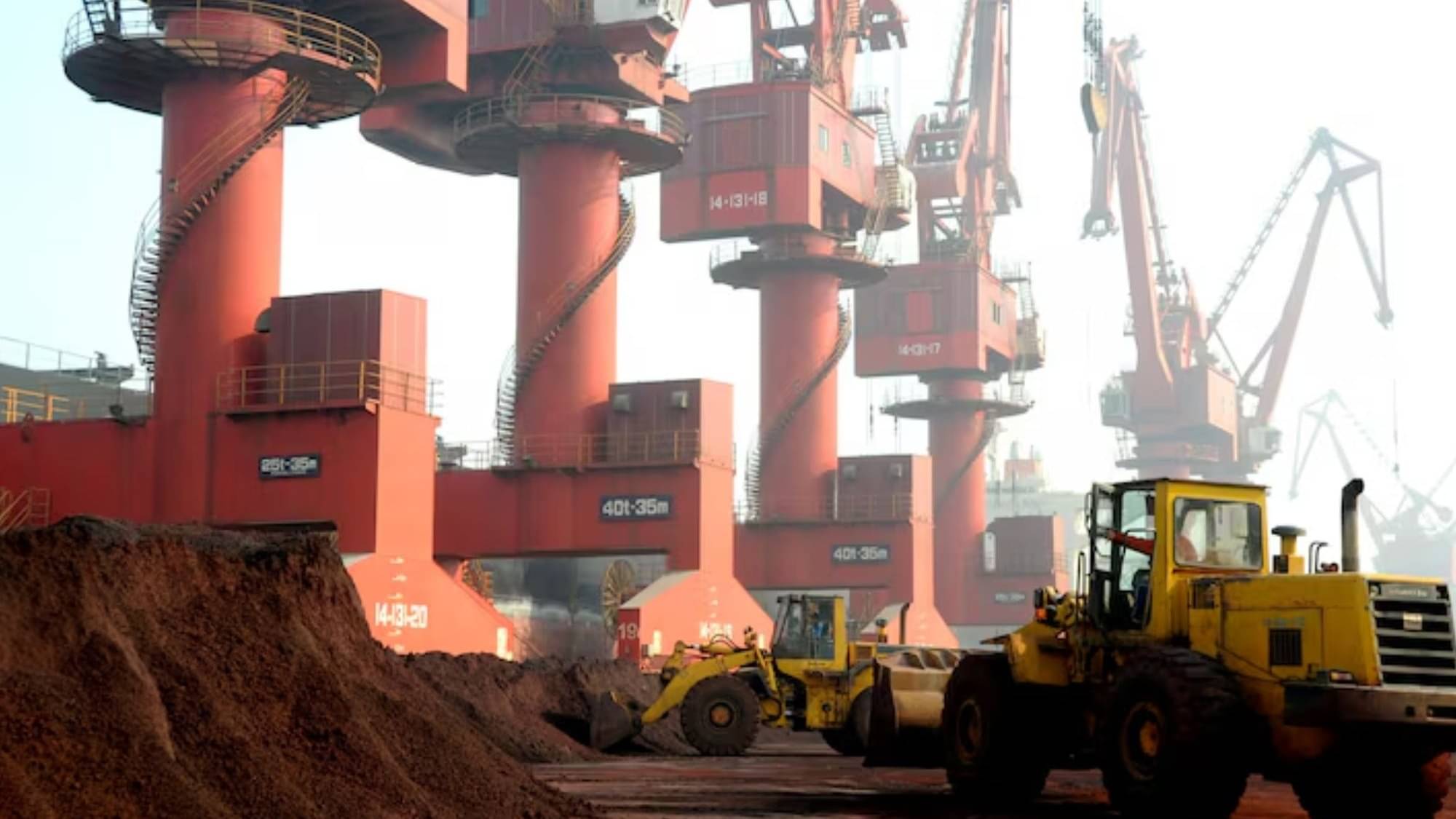
China Starts Work On Easing Rare Earth Export Rules But Short Of Trump Hopes, Sources Say

China starts work on easing rare earth export rules but short of Trump hopes: Reports
