Archive · 30 Jan 2026
Urbanization reshaping India's political and social landscape
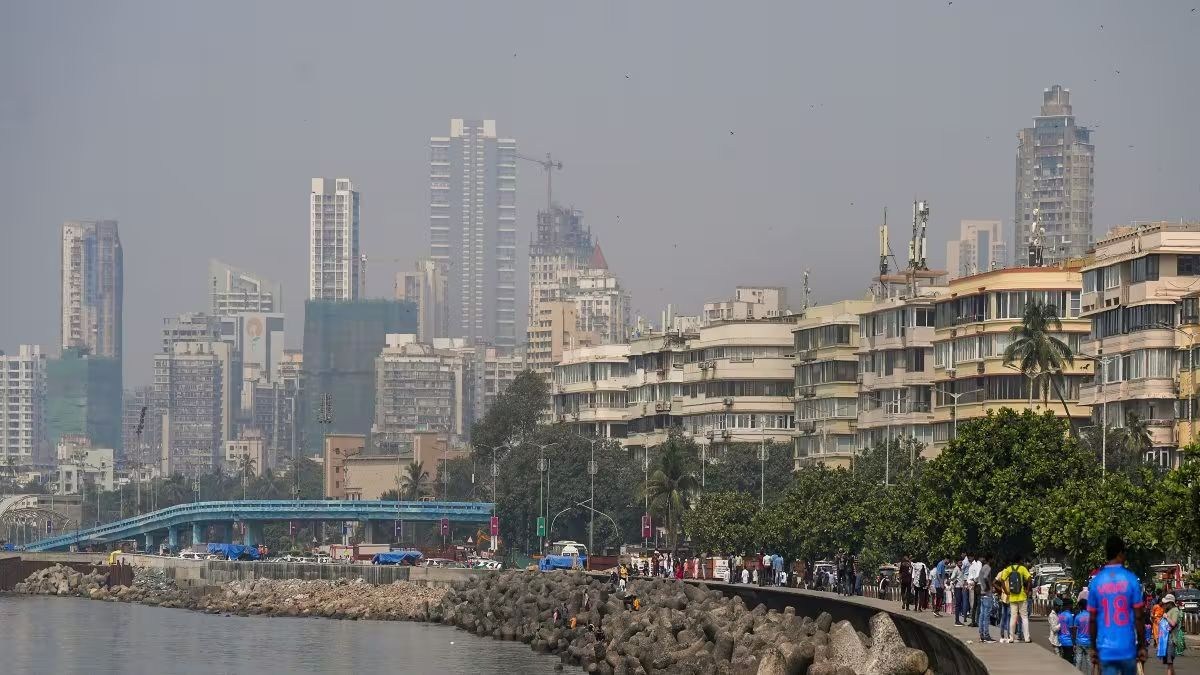
India is becoming more urban, with a third of its population now living in cities.
This is a big change for a country that has traditionally been rural.
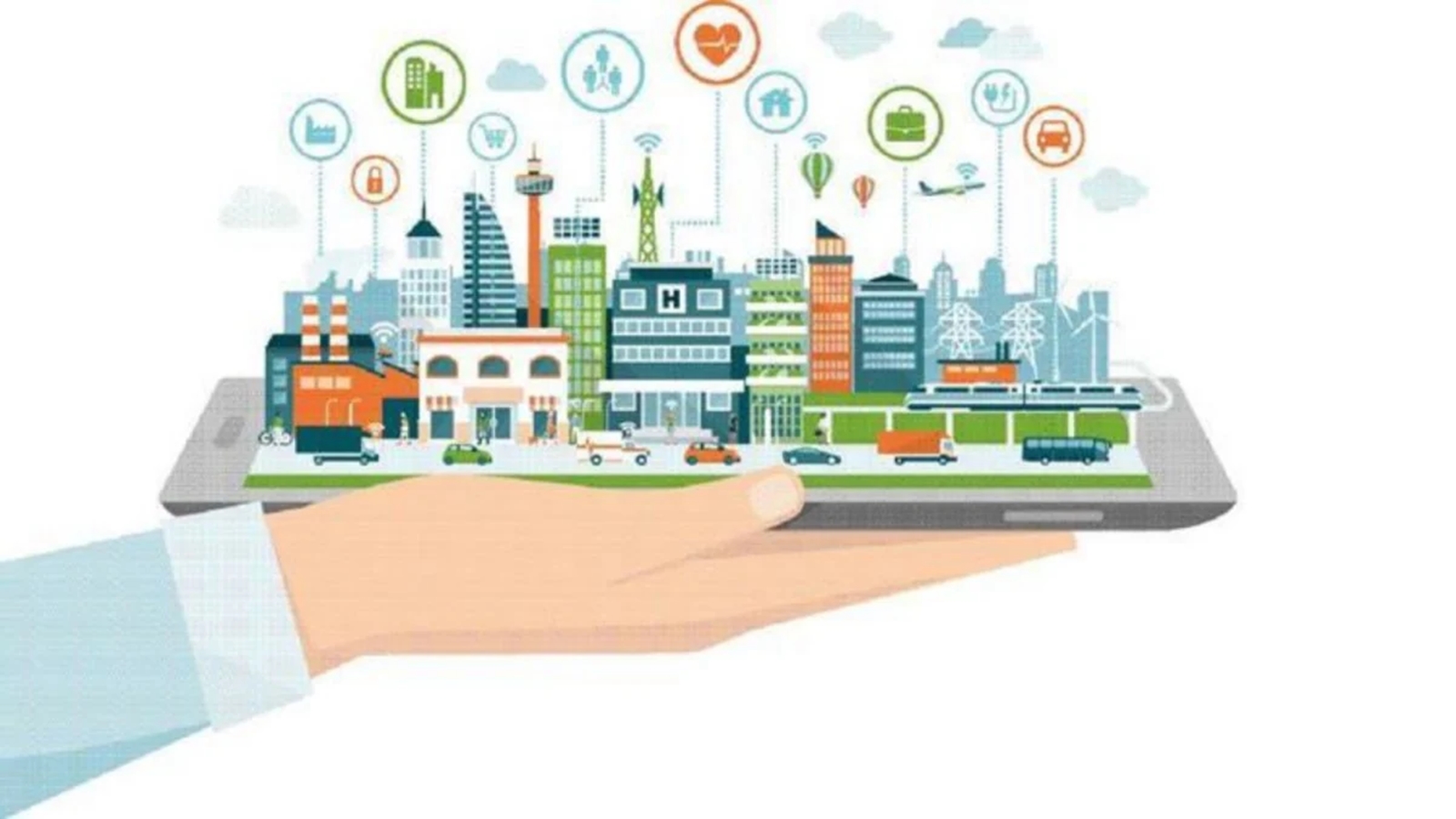
The government has launched several programs to improve cities, like the JNNURM and the Smart Cities Mission.
Urban areas are seen as places of opportunity and progress, but they also have challenges like inequality and environmental concerns.
The shift to urban living is changing how people think, what they aspire to, and how they relate to the government.
It's also creating new political dynamics and social issues that need attention.
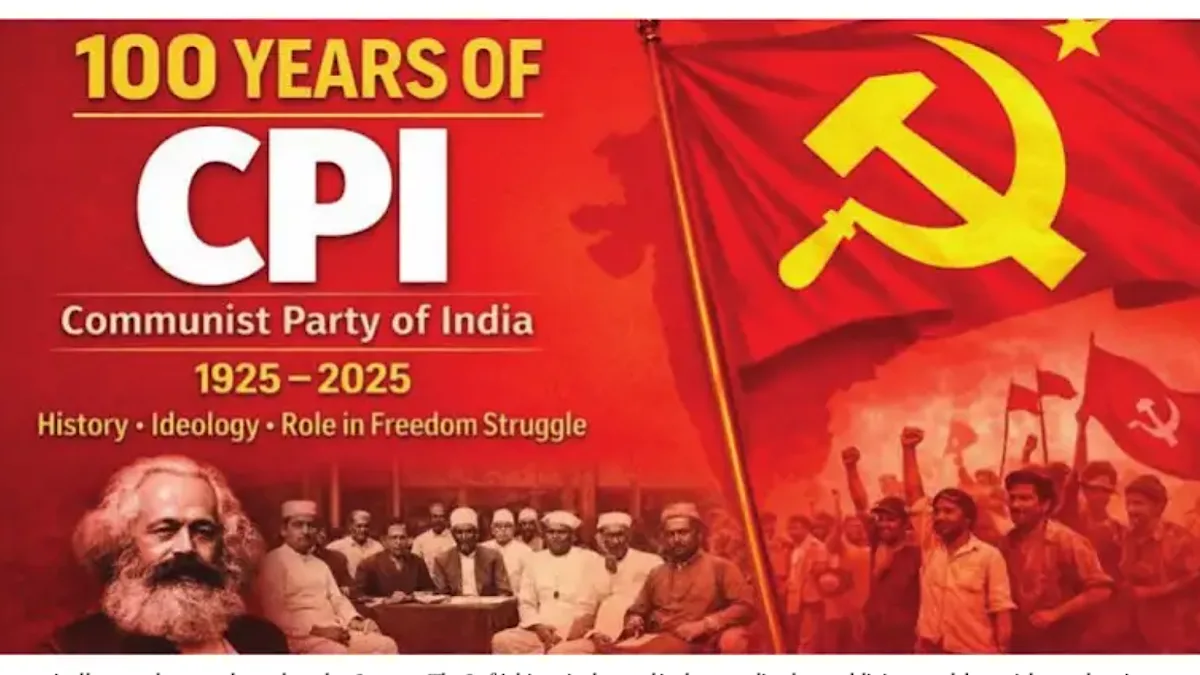
The Communist Party of India, which used to be a strong political force, is now facing a big challenge.
They need to find new ways to connect with people, especially in cities, to stay relevant.

India's urban population has grown from 25% in 1990 to 33% today, with an expected rise to 40% by 2030.
Government initiatives like JNNURM, AMRUT, and the Smart Cities Mission have driven urban development.
Urban areas are increasingly seen as ideal spaces for economic opportunity and progressive possibilities.
The urbanization process has led to a model that favors the wealthy and cosmopolitan, often at the expense of other citizens.
The shift to urban living is reshaping political priorities and the relationship between citizens and the state.
- Who
- The urban population of India, which has grown to 33% and is expected to reach 40% by 2030, and the Communist Party of India facing an existential crisis.
- What
- The phenomenon of urbanization and its impact on India's political and social landscape, as well as the decline of the Left Front in national and state politics.
- When
- Since 1990, with significant milestones in 2005, 2021, and ongoing developments.
- Where
- Across India, with a focus on urban areas and their influence on national consciousness, particularly in West Bengal, Kerala, and Tripura.
- Why
- To understand the political implications and social changes brought about by urbanization in India and the challenges faced by the Left Front.
- JNNURM Launch
- 2005
- Urban Population in 1990
- 25%
- Urban Population in 2023
- 33%
- Expected Urban Population by 2030
- 40%
- Current Urban Population in India
- 500 million
- World Urban Population
- 55%
- Left Front's Lok Sabha Seats in 2009
- 61
- Left Front's Lok Sabha Seats in 2024
- 8
- Left Front's Assembly Seats in West Bengal (2021)
- 0
- Left Democratic Front's Term in Kerala (2021)
- Second consecutive term