

Archive · 12 Jan 2026
Weimar Republic's Lessons Resonate in Modern Democracies
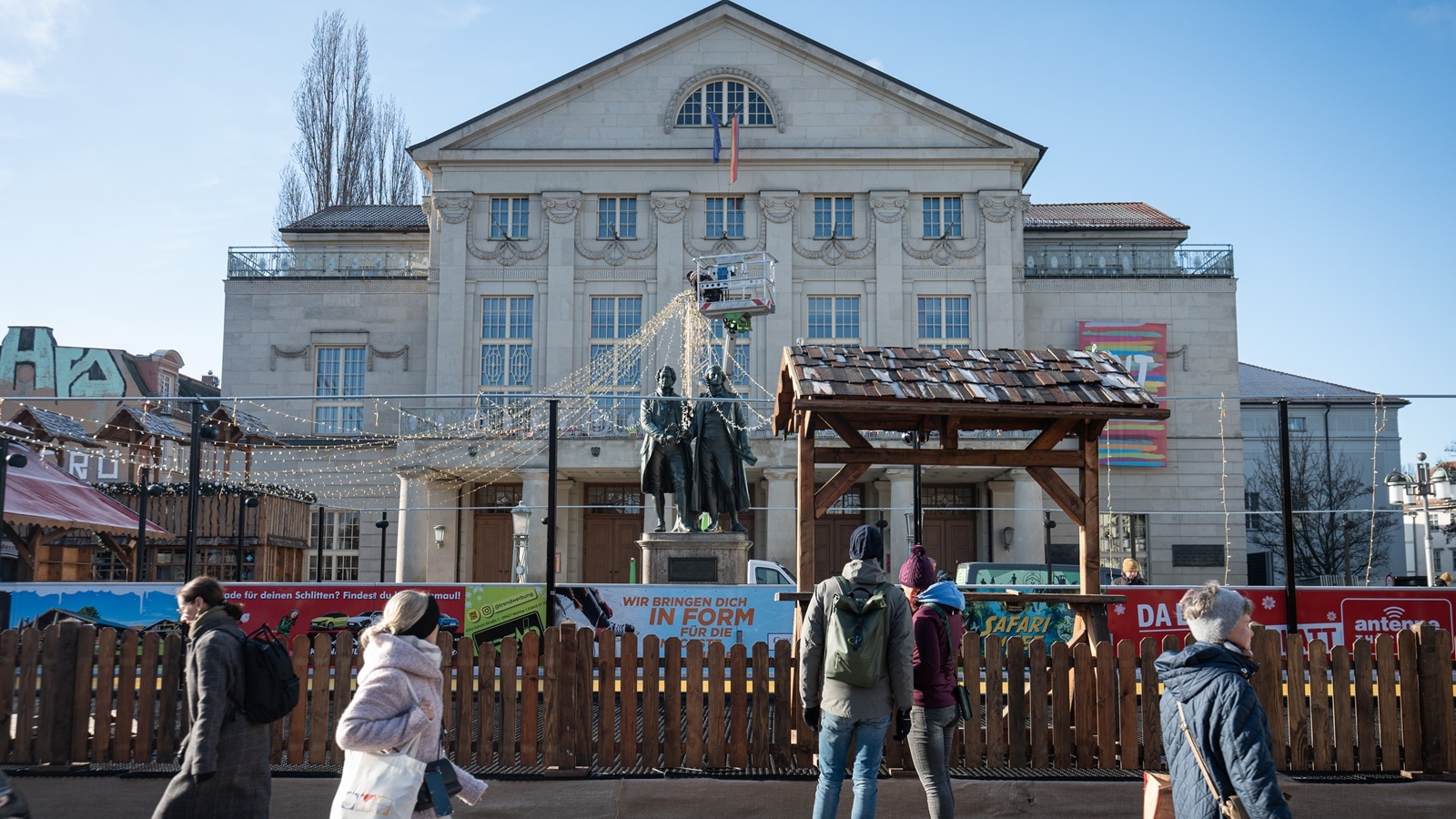
The Weimar Republic was a German government that existed from 1919 to 1933.
It was named after the city of Weimar, where its constitution was created.
The republic faced many challenges, including economic crises and political extremism, which eventually led to its downfall.
Today, historians and political figures are looking back at the Weimar Republic to understand its mistakes and to apply those lessons to modern democracies.
They argue that democracies need constant defense and that the fall of the Weimar Republic was not inevitable but resulted from the actions of antidemocratic forces.
The museum in Weimar, called the House of the Weimar Republic, helps people learn about this important period in history.

The Weimar Republic was established in 1919 after the fall of Emperor Wilhelm II and lasted until 1933 when Adolf Hitler dissolved its constitution.
The House of the Weimar Republic museum aims to educate people about the era and its relevance to modern democracies, especially in the face of rising far-right movements like the AfD in Germany.
Historians now argue that the Weimar Republic's failure was not predetermined but resulted from the actions of antidemocratic elites and the failure of the liberal establishment to stop them.
The Weimar Constitution included progressive elements like universal suffrage and comprehensive health insurance, but also had flaws like Article 48, which allowed the president to rule by emergency decree.
The fall of the Weimar Republic was influenced by economic crises, political extremism, and the strategic use of emergency powers by President Paul von Hindenburg, which enabled Hitler's rise to power.
- Who
- The leaders of the newly founded German Republic, historians, and modern political figures.
- What
- The history and lessons of the Weimar Republic and its relevance to modern democracies.
- When
- The Weimar Republic existed from 1919 to 1933, and its lessons are being revisited in the context of modern political events.
- Where
- The events took place in Weimar, Germany, and the lessons are being applied globally.
- Why
- To understand the factors that led to the fall of the Weimar Republic and to draw parallels and lessons for the defense of modern democracies.
- Weimar Republic
- The German Republic that existed from 1919 to 1933, named after the city of Weimar where its constitution was drafted.
- Constitution Approval Date
- August 11, 1919
- Constitution Dissolution
- 1933, by Adolf Hitler
- House of the Weimar Republic
- A museum in Weimar, Germany, dedicated to the history and lessons of the Weimar Republic.
- Alternative for Germany (AfD)
- A far-right political party in Germany that is currently on the rise.
- Article 48
- A provision in the Weimar Constitution that allowed the president to rule by emergency decree, but also gave the parliament the power to veto such decrees.
- Paul von Hindenburg
- The archconservative president of Germany who used emergency decrees to expand his power during the Weimar Republic.
- Franz von Papen
- A right-wing politician who replaced the governor of Prussia in 1932, contributing to the undermining of the Weimar Republic.