

Archive · 27 Jul 2026
US Imposes New Tariffs on Global Trade Partners
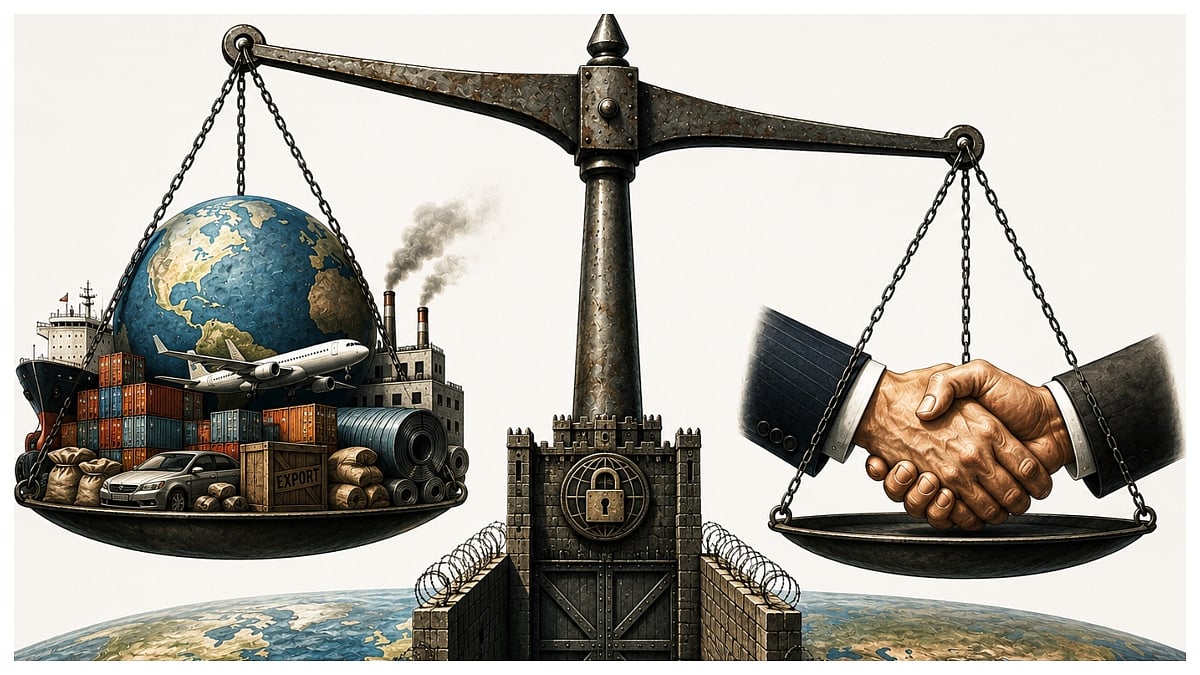
The United States has introduced new tariffs on goods from 60 countries, including India, Australia, Canada, the European Union, and the United Kingdom.
These tariffs are part of a new framework aimed at enforcing stronger measures against goods produced through forced labor.
The tariffs range from 10% to 12.5%, depending on the country.
Proponents argue that these tariffs will create a more level playing field and encourage adherence to international labor and environmental standards.
However, critics believe the tariffs are protectionist and could lead to retaliatory measures, harming global trade and economic cooperation.
The new tariffs reflect a broader shift in the global trading order, where access to markets depends not only on price and quality but also on factors like strategic trust, labor standards, environmental compliance, technological resilience, and national security.
For India, this presents both challenges and opportunities, as competitive costs alone will not secure lasting success.
Reliable institutions, resilient supply chains, transparent regulation, and international credibility will increasingly define economic strength.

US imposes new tariffs on 60 trading partners effective July 24.
India, Australia, Canada, EU, and UK face 10% additional duty; others face 12.5%.
Tariffs aim to enforce measures against goods produced through forced labor.
Access to markets now depends on factors like trust, labor standards, and environmental compliance.
India must focus on reliable institutions and transparent regulation to secure economic strength.
- Who
- United States
- What
- Imposed new tariffs on 60 trading partners
- When
- Effective from July 24
- Where
- Global trade partners including India, Australia, Canada, EU, UK
- Why
- To enforce stronger measures against goods produced through forced labor and ensure fair trade practices
Proponents of New Tariffs
Critics of New Tariffs
Purpose of Tariffs
Proponents of New Tariffs
The new tariffs aim to enforce stronger measures against goods produced through forced labor and ensure fair trade practices.
Critics of New Tariffs
Critics argue that the tariffs are protectionist and could lead to retaliatory measures, harming global trade and economic cooperation.
Impact on Global Trade
Proponents of New Tariffs
Proponents believe the tariffs will create a more level playing field and encourage adherence to international labor and environmental standards.
Critics of New Tariffs
Critics contend that the tariffs will disrupt supply chains, increase costs for consumers, and potentially lead to trade wars.
- Effective Date
- July 24
- Tariff Tiers
- 10% for India, Australia, Canada, EU, UK; 12.5% for others
- Objective
- Enforce against forced labor and ensure fair trade
- Impacted Economies
- 60 trading partners
- Key Factors for Market Access
- Strategic trust, labor standards, environmental compliance, technological resilience, national security