

Archive · 19 May 2025
ISRO's Aditya-L1 Captures Solar Flare and Plasma Ejection
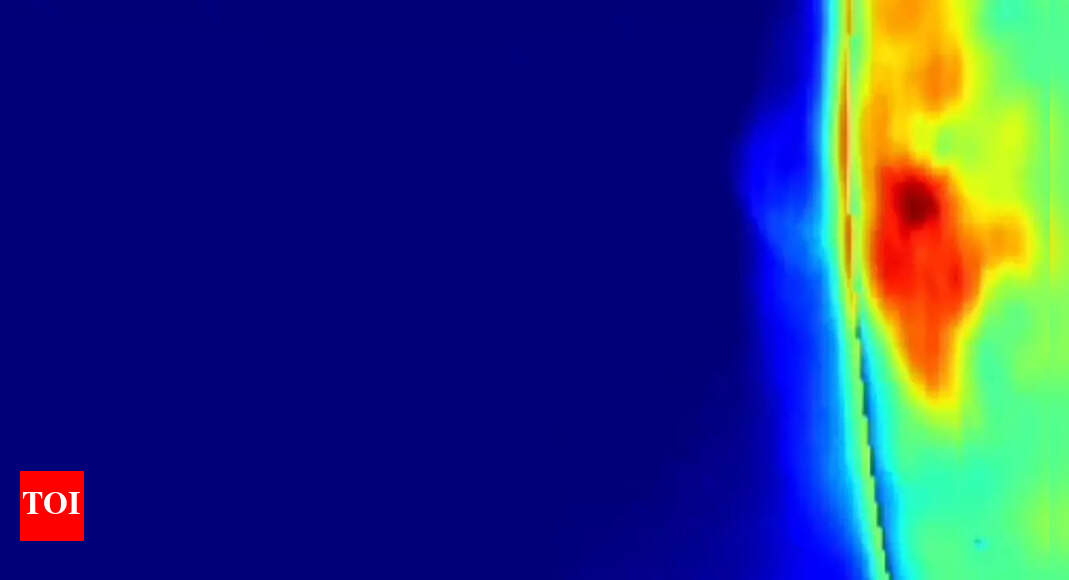
ISRO's Aditya-L1 mission, which watches the Sun, captured a huge explosion called a solar flare and a giant cloud of plasma shooting out.
This was like a super-powered firework!
The mission observed it in a special kind of light called near-ultraviolet, never done before.
The plasma zoomed out super fast, going around the Earth in seconds!
This helps scientists understand how the Sun affects Earth and space weather, which can mess with satellites and power.
The mission launched in September 2023 and is orbiting 1.5 million kilometers away.
This will improve our ability to forecast and predict when bad space weather events might happen.

ISRO's Aditya-L1 mission captured a solar flare and plasma ejection.
The event was observed in near-ultraviolet light.
The plasma ejection moved at speeds up to 1,500 kilometers per second.
Aditya-L1 was launched on September 2, 2023.
The mission's findings enhance the ability to predict space weather events.
- Who
- The Indian Space Research Organisation (ISRO) through its Aditya-L1 mission.
- What
- The Aditya-L1 mission captured a solar flare and a plasma ejection, observing the event in near-ultraviolet light.
- When
- Aditya-L1 captured the solar flare and plasma ejection on December 31, 2023.
- Where
- The Aditya-L1 mission is stationed approximately 1.5 million kilometers from Earth at the Lagrange point 1 (L1).
- Why
- To study the Sun's atmosphere and its impact on space weather, improving predictions of events that can affect Earth.
- Organization
- ISRO
- Mission Name
- Aditya-L1
- Launch Date
- September 2, 2023
- Observation Date
- December 31, 2023
- Observation Wavelength
- Near-ultraviolet light
- Plasma Speed
- 1,500 km/s
- Distance from Earth
- 1.5 million kilometers