

Archive · 23 Dec 2025
Pollution Reduces Rainfall in Mawsynram, World's Wettest Place
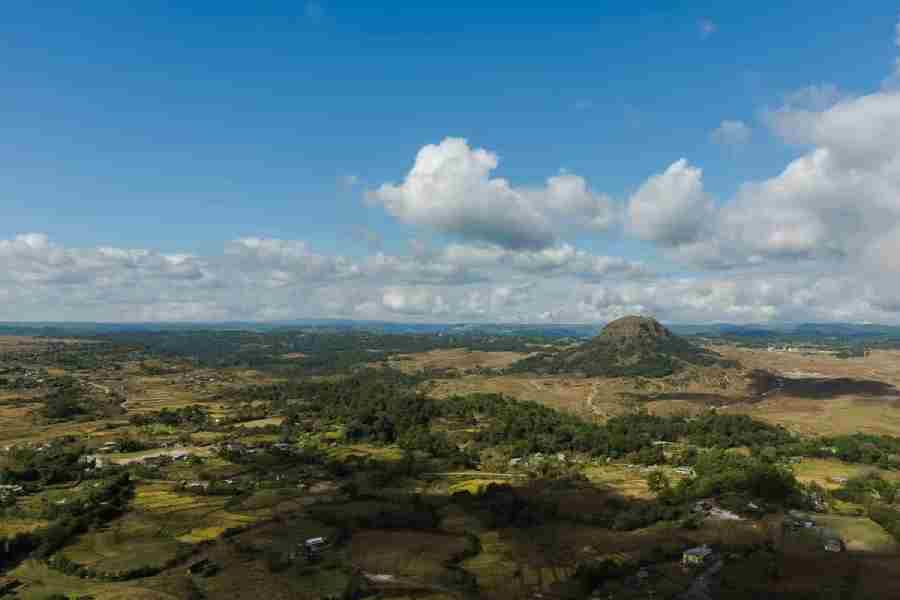
Mawsynram in Meghalaya, known as the world's wettest place, is getting less rain.
Scientists found that tiny particles called aerosols in the air are to blame.
These particles come from pollution like car exhausts, burning biomass, and industrial activities.
Over the past decade, aerosol levels have gone up by nearly 15%, while rainfall has dropped from 10,200mm to 8,800mm per year.
These aerosols trap heat and make it harder for clouds to form and produce rain.
The study shows that pollution from far away can affect local weather, even in places like Mawsynram that are usually very clean.
Local activities like burning biomass also add to the problem.
This means that both distant and local pollution are making it rain less in Mawsynram.

Mawsynram's annual rainfall has declined from 10,200mm to 8,800mm over the past decade.
Aerosol levels in Mawsynram have increased by nearly 15% during the same period.
Aerosols trap heat in the lower atmosphere, disrupting cloud formation and reducing rainfall.
The study found that higher aerosol concentrations consistently resulted in lower rainfall totals.
Local biomass burning and distant pollution sources both contribute to the increase in aerosols.
- Who
- Scientists led by Sumit Mishra from the National Physical Laboratory in New Delhi
- What
- A study on the impact of aerosols on rainfall in Mawsynram, Meghalaya
- When
- Between 2014 and 2023
- Where
- Mawsynram, Meghalaya, India
- Why
- To understand how aerosols are affecting rainfall patterns in one of the world's wettest places
- Location
- Mawsynram, Meghalaya, India
- Annual Rainfall Decline
- From 10,200mm to 8,800mm over the past decade
- Aerosol Increase
- Nearly 15% rise over the past decade
- Study Period
- 2014 to 2023
- Key Findings
- Higher aerosol concentrations lead to lower rainfall
- Study Journal
- Journal of the Indian Society of Remote Sensing
- Lead Scientist
- Sumit Mishra, National Physical Laboratory, New Delhi