

Archive · 24 Dec 2025
Pakistan Hospitals Face Severe Medicine Shortages, Diagnostic Crises
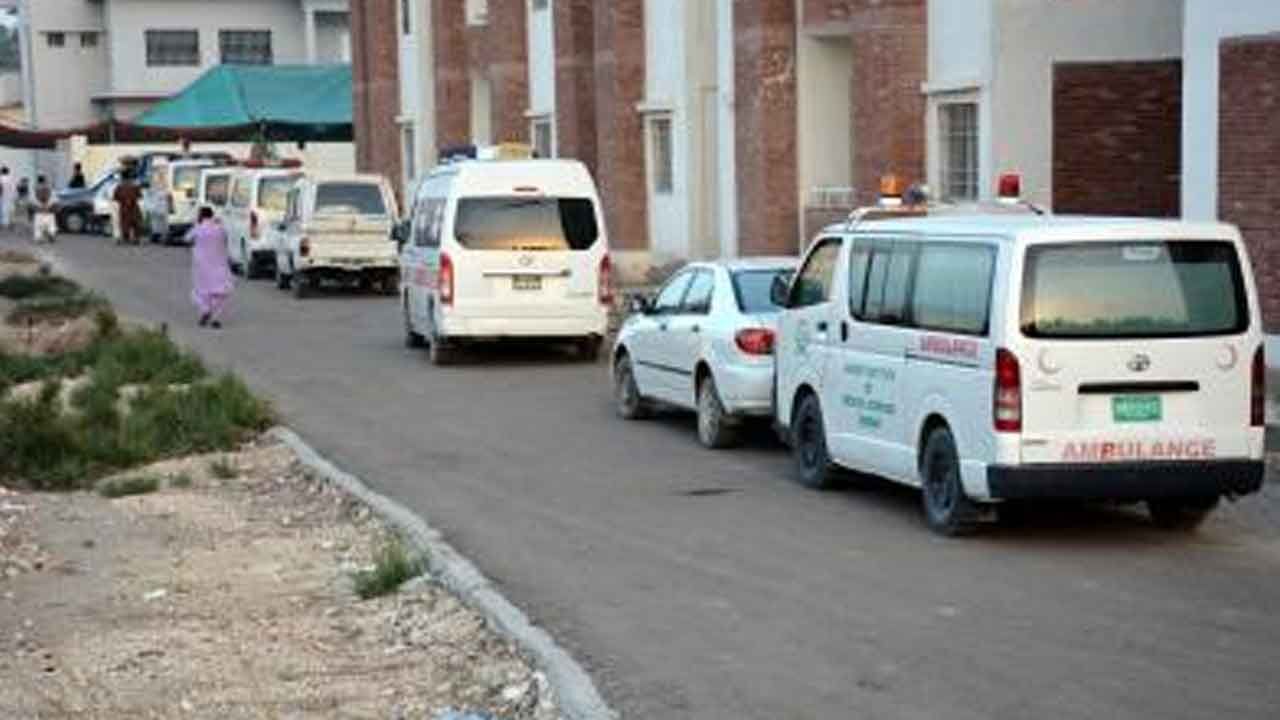
In Pakistan, many government hospitals in the city of Hyderabad are having a hard time providing basic healthcare.
They don't have enough medicines or working machines to do tests.
This means patients have to go to private hospitals, which can be very expensive.
There's also a big problem with HIV, especially among children, because of things like dirty syringes and fake doctors.
The hospitals don't have enough supplies or trained staff to help these patients.
This is all because the government hasn't been taking good care of the hospitals for a long time.

Government hospitals in Hyderabad, Sindh, face severe shortages of medicines and diagnostic facilities.
Patients are forced to seek treatment in private hospitals due to lack of basic healthcare services.
The trauma centre on Hala Naka Road remains non-operational, increasing the burden on Civil Hospital Hyderabad.
Sindh has 3,995 registered HIV-positive children, with the crisis attributed to contaminated syringes and fake doctors.
Over 600,000 fake doctors practice in Pakistan, with 40% based in Karachi, exacerbating medical malpractice.
- Who
- Patients in Hyderabad, Sindh, Pakistan
- What
- Severe shortages of medicines and diagnostic facilities in government hospitals
- When
- Ongoing issue, with recent reports highlighting the crisis
- Where
- Hyderabad, Sindh, Pakistan
- Why
- Alleged poor oversight by health department officials, institutional neglect, and corruption
- Location
- Hyderabad, Sindh, Pakistan
- Affected Hospitals
- Civil Hospital Hyderabad, Taluka hospitals, Trauma centre on Hala Naka Road
- Key Issues
- Shortage of medicines, lack of diagnostic facilities, non-operational equipment
- HIV Cases
- 3,995 registered HIV-positive children in Sindh
- Fake Doctors
- Over 600,000 fake doctors practicing in Pakistan, 40% in Karachi
- Diagnostic Machines
- Only one MRI and one CT scan machine operational at Civil Hospital Hyderabad
- Impact
- Patients forced to seek treatment in private hospitals, leading to financial burden