

Archive · 18 Jul 2026
Sri Lanka's Struggle to Become a Maritime Hub
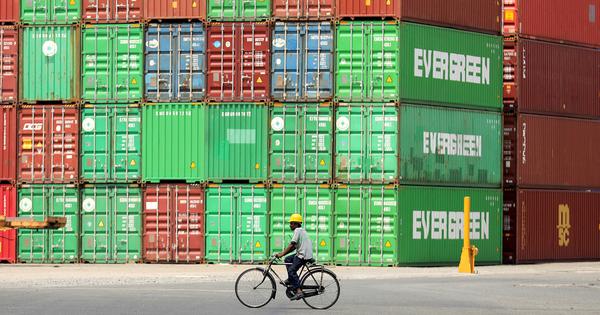
Sri Lanka is in a great spot for shipping because it's near busy sea routes.
But it hasn't become a big shipping hub like Singapore or Dubai.
Most cargo just passes through without being unloaded.
The government and experts want to improve the ports and attract investment, but trade unions and bureaucracy are slowing things down.
They need to make customs easier, build better infrastructure, and offer more services like ship repair and cold storage.
If they do this, Sri Lanka could become a major maritime hub.

Sri Lanka's strategic location near major shipping lanes makes it ideal for a maritime hub.
Over 80% of cargo is transshipped, not unloaded in Sri Lanka.
Efforts to develop the East Container Terminal have been stalled due to trade union pressure.
Bureaucratic hurdles and lack of reforms hinder Sri Lanka's progress as a logistics hub.
Experts suggest streamlining customs, improving infrastructure, and offering value-added services to attract investment.
- Who
- Sri Lankan government, Ports Authority, trade unions, industry experts, and international investors.
- What
- Sri Lanka's struggle to transform into a maritime hub despite its strategic location.
- When
- Efforts have been ongoing for over three decades, with recent focus on the East Container Terminal deal.
- Where
- Colombo, Sri Lanka, and neighboring ports like Vizhinjam in India.
- Why
- Due to bureaucratic hurdles, lack of meaningful reforms, and competition from neighboring ports.
Government and Industry Experts
Trade Unions and Bureaucracy
Development of East Container Terminal
Government and Industry Experts
Support the development of the East Container Terminal to modernize port infrastructure and attract investment.
Trade Unions and Bureaucracy
Oppose foreign involvement in the East Container Terminal, preferring state control and domestic labor.
Investment and Ownership
Government and Industry Experts
Advocate for liberalizing the market to allow full foreign ownership and investment to bring in technology and innovation.
Trade Unions and Bureaucracy
Resist foreign ownership, favoring restrictive clauses to maintain control over the port.
- Location
- Strategic position near major shipping lanes, barely a degree north of the equator.
- Transshipment Cargo
- Over 80% of cargo is transshipped, not unloaded in Sri Lanka.
- Port Capacity
- Colombo Port handled 8.29 million TEUs in 2025, aiming for 15 million TEUs by 2026.
- Logistics Performance Index
- Ranked 73rd out of 139 countries in 2023.
- Key Reforms Needed
- Streamlined customs, transparent regulatory frameworks, accelerated port infrastructure, and deeper inland connectivity.
- Potential Services
- Ship repair, maritime finance, offshore services, digital logistics, pharmaceutical-grade cold storage, e-commerce, and green fuels.
- Proposed Authority
- Maritime and Logistics Hub Development Authority to consolidate and expand port capacity.
- Urgent Actions
- Build an investment and finance ecosystem, create a transparent trade-facilitation regime.