

Archive · 3 Aug 2026
US Ends Duration of Status Rule for F-1 Students
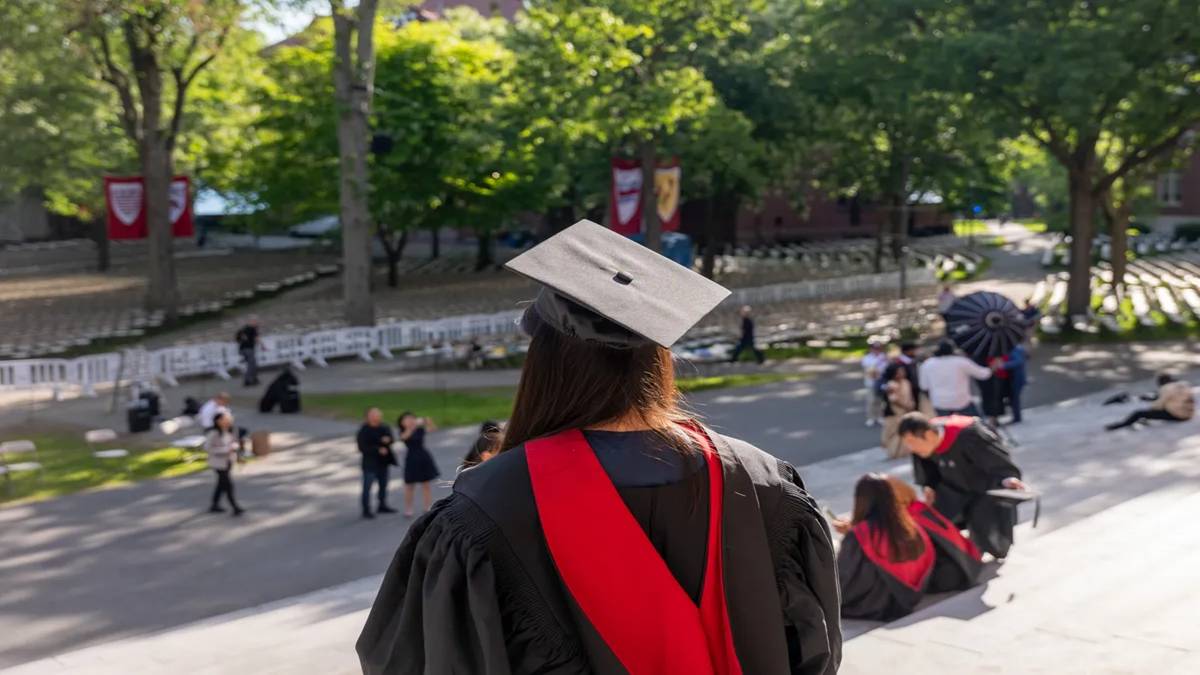
The U.S. is changing how long international students can stay.
Instead of an open-ended rule, students now have a set time, up to four years, to study.
After finishing school, they have 30 days to leave.
If they want to stay longer, they must apply for an extension.
Students who already filed for work training (OPT) before the change don’t need a new application, but those who file later must apply when they come back.
Students with a pending work visa (H‑1B) can stay until that visa starts.
The change helps make the rules clearer for everyone.

U.S. replaces duration of status with fixed period of admission for all F‑1 students effective Sept 15, 2026.
Students admitted under the old rule may stay until their I‑20 program end date or OPT/STEM‑OPT end, but not beyond Nov 14, 2030 without an EOS.
Current F‑1 students can travel and re‑enter under a new fixed period up to four years plus 30‑day departure grace, with the 60‑day grace cut to 30 days.
Students who filed OPT or STEM‑OPT before Sept 15, 2026 need not file an EOS; those who file later must submit EOS upon readmission.
Cap‑gap H‑1B petition holders are exempt from EOS and may remain in F‑1 status until H‑1B approval or April 1 of the fiscal year requested.
- Who
- International students on F‑1 visas and OPT workers
- What
- U.S. replaces the duration of status rule with a fixed period of admission and an extension of stay (EOS) procedure
- When
- Effective September 15, 2026
- Where
- United States
- Why
- To replace the previous unspecified duration of status rule with a clear fixed period of admission
- Effective date
- September 15, 2026
- New admission period
- Up to program length, max 4 years + 30‑day arrival + 30‑day departure
- Grace period after program end
- 30 days
- Maximum stay for current students
- November 14, 2030
- EOS requirement
- Apply if staying beyond program end or filing OPT later