

Archive · 13 Nov 2025
Balochistan Sees Alarming Rise in Killings and Disappearances Amidst Resource Exploitation
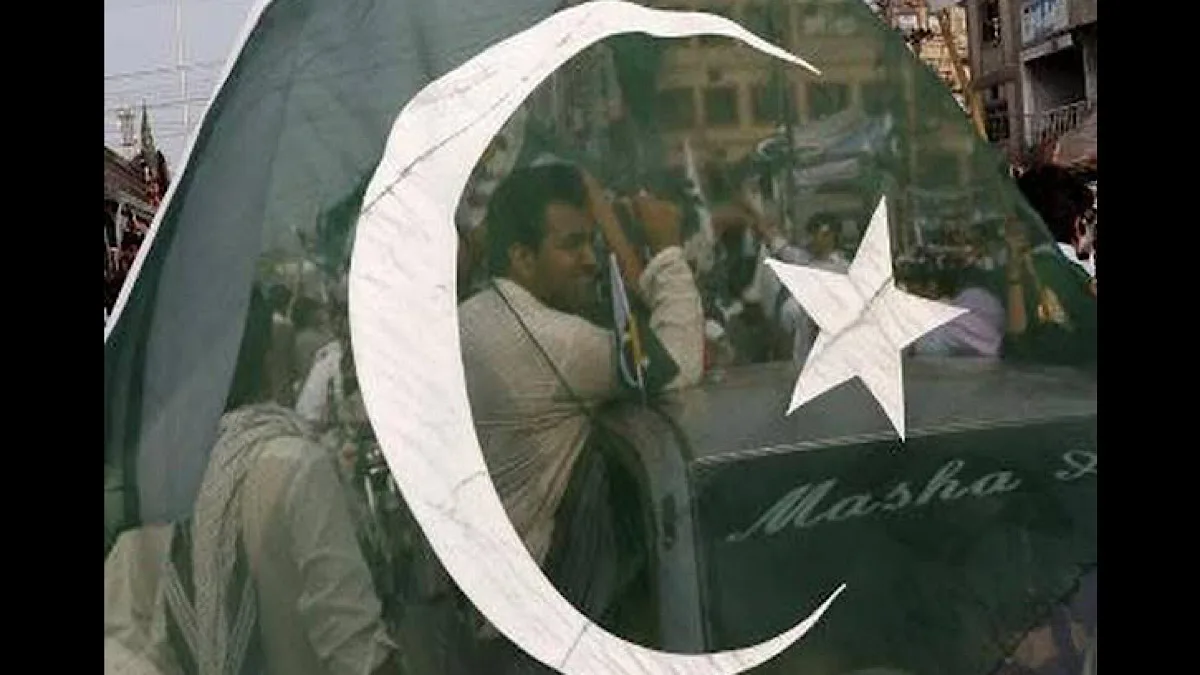
A group called BASC has put out a report about a place called Balochistan in Pakistan.
They say that many more people are disappearing and being killed there recently.
From January to June of this year, over 800 people vanished, and more than 100 were killed.
Many of those who disappeared or were killed were students, workers, or drivers.
The report says this is happening because Pakistan's government is making new laws to take control of Balochistan's valuable resources, like minerals.
They believe these new laws are used to scare and silence people who disagree with the government.
BASC is asking for other countries to help investigate and make sure those responsible are held accountable.
They feel the people of Balochistan are being harmed just so their land can be used for progress.

A BASC report details a sharp increase in enforced disappearances (824) and extrajudicial killings (113) in Balochistan during the first half of 2025.
Students constituted 42.5% of identified victims of disappearances, with labourers also heavily targeted.
The report links the surge in violence to Pakistan's Mines and Minerals Act and Anti-Terrorism Act, aimed at centralizing resource control and suppressing dissent.
Kech, Awaran, and Gwadar districts reported the highest numbers of disappearances and killings.
BASC urges international intervention, accountability for perpetrators, and an end to what it calls the 'silent war' on Balochistan's population.
- Who
- Baloch Advocacy and Studies Centre (BASC); Pakistani state; Students, labourers, drivers, and teenagers in Balochistan
- What
- An alarming surge in enforced disappearances and extrajudicial killings, with a new report detailing 824 disappearances and 113 killings in the first half of 2025.
- When
- January to June 2025
- Where
- Balochistan province, Pakistan
- Why
- BASC links the escalation to Pakistan's Mines and Minerals Act, 2025, and Anti-Terrorism (Balochistan Amendment) Act, 2025, facilitating resource exploitation and suppressing dissent.
Baloch Advocacy and Studies Centre (BASC)
Pakistani State
Root Cause of Escalation
Baloch Advocacy and Studies Centre (BASC)
The escalation in enforced disappearances and extrajudicial killings is directly linked to Pakistan's new Mines and Minerals Act, 2025, and the Anti-Terrorism (Balochistan Amendment) Act, 2025, which facilitate resource exploitation and suppress dissent.
Pakistani State
The report links the events to resource politics, implying a connection between mineral extraction and human rights abuses, while the state's perspective on these specific legislative acts is not detailed in the provided text.
Nature of State Actions
Baloch Advocacy and Studies Centre (BASC)
The Pakistani state is employing enforced disappearances and extrajudicial killings as tools of governance to suppress the Baloch population and exploit their resources.
Pakistani State
The Pakistani state is accused of violent suppression of dissent, particularly in relation to the province's mineral wealth, and the report frames these actions as a deliberate 'silent war' on its citizens.
International Involvement
Baloch Advocacy and Studies Centre (BASC)
There is an urgent need for international investigations into the human rights abuses in Balochistan, accountability for perpetrators, and the release of detainees.
Pakistani State
The Pakistani state's actions are described as occurring 'without local consent' and are framed as 'exploitation under occupation', suggesting a lack of regard for the local population's rights and international norms.
- Report Title
- Minerals and Misery: The Human Cost of Pakistan’s Resources Politics in Balochistan
- Reporting Organization
- Baloch Advocacy and Studies Centre (BASC)
- Time Period
- January - June 2025
- Enforced Disappearances (Jan-June 2025)
- 824
- Individuals Still Missing
- 530
- Individuals Released
- 294
- Extrajudicial Killings (Jan-June 2025)
- 113
- Most Affected Districts
- Kech, Awaran, Gwadar

