

Archive · 21 Jul 2026
Ladakh Faces Extreme Wet and Dry Spells
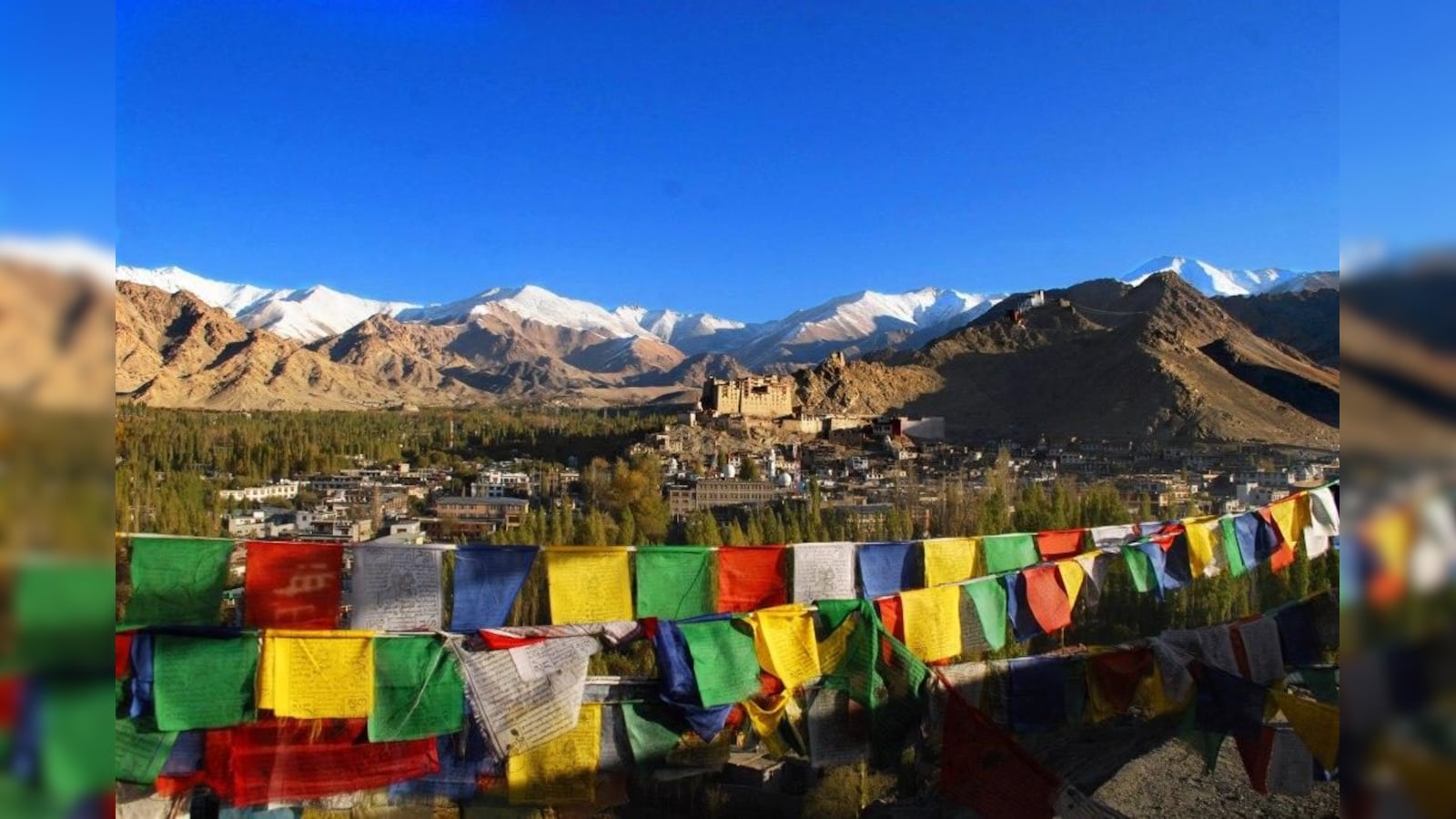
Ladakh, a usually dry and cold region, has been experiencing unusual weather patterns over the past five years.
Normally, the Himalayas block most of the monsoon rains, keeping Ladakh dry.
But recently, Ladakh has seen more rain during the summer and less snow in the winter.
This change is likely due to global warming, which makes the air hold more moisture.
Warmer air can carry rain over the Himalayas and into Ladakh, causing intense rain spells.
However, researchers are still studying whether this is a permanent change or just a temporary weather pattern.
The erratic rainfall is challenging for Ladakh's environment and traditional way of life.

Ladakh has experienced five consecutive years of above-average summer rainfall.
2025 saw the highest recorded rainfall in Ladakh, with 98.6 mm, 342% above normal.
Global warming is increasing air moisture, allowing rain to reach Ladakh over the Himalayas.
Winter snowfall in Ladakh is decreasing, while summer rainfall is increasing.
Researchers warn that these changes could be a warning signal of a permanent climate shift.
- Who
- Residents and researchers in Ladakh
- What
- Extreme wet and dry spells due to changing precipitation patterns
- When
- Over the past five years, with significant changes in 2025
- Where
- Ladakh, a cold desert region in India
- Why
- Global warming and interactions between weather systems
Climate Change Impact
Natural Variability
Cause of Erratic Rainfall
Climate Change Impact
Global warming increases air moisture, leading to intense summer rains in Ladakh.
Natural Variability
Natural variability and interactions between weather systems cause erratic rainfall.
- Normal Rainfall (Revised)
- 22.3 mm
- 2025 Rainfall
- 98.6 mm (342% above normal)
- Highest Monthly Rainfall (August 2025)
- 80.2 mm
- Winter Snowfall Trend
- Decreasing
- Summer Rainfall Trend
- Increasing