

Archive · 20 Jul 2026
Bihar Panchayats to Collect Taxes Amid Financial Crisis
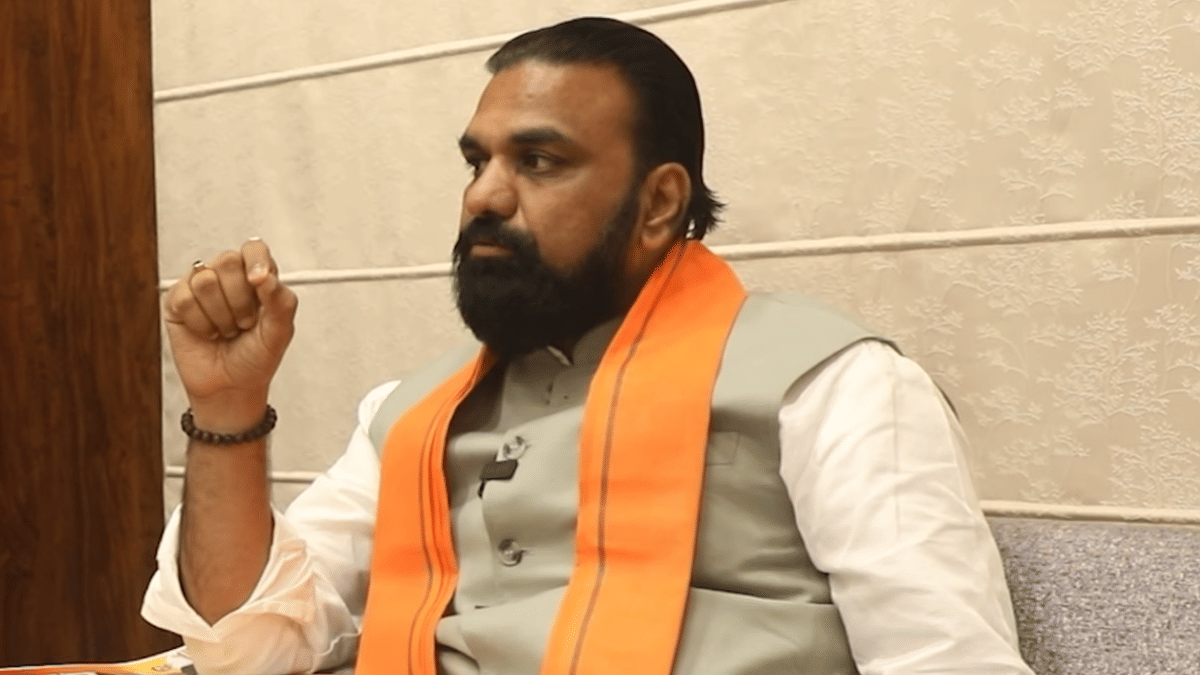
The Bihar government has decided that local village councils, called panchayats, can now collect taxes from villagers.
This is to help the panchayats have their own money and not rely so much on the state government.
The taxes will be on things like houses, shops, water supply, and cinema halls.
Some people, like economists and opposition leaders, are not happy with this decision.
They say that villages in Bihar are not as developed as in other places, and adding more taxes might make life harder for people who are already poor.
The government says this is necessary because the state is facing a financial crisis and needs more money.
The taxes will start soon, and the government hopes to collect a lot of money from this new system.

Bihar panchayats can now impose and collect various taxes, including holding taxes on houses, commercial shops, and other services.
The Bihar Cabinet approved the draft Gram Panchayat Taxes, Rates and Fares Rules on 15 July, aiming to collect Rs 1,300 crore in revenue.
Taxes will be levied on permanent houses (Rs 100 annually), semi-permanent houses (Rs 50 annually), and houses under the Pradhan Mantri Awas Yojana (Rs 25 annually).
Economists and opposition leaders criticize the move, arguing that it may burden the impoverished villagers and questioning the autonomy of the panchayats.
The government defends the decision, stating it is necessary to address the state's financial crisis and empower panchayats to develop their own resources.
- Who
- The Bihar government, led by Chief Minister Samrat Choudhary, and the Gram Panchayats.
- What
- The introduction of new taxes at the panchayat level to increase revenue and reduce dependence on state funds.
- When
- The Bihar Cabinet approved the draft Gram Panchayat Taxes, Rates and Fares Rules on 15 July.
- Where
- Bihar, India, across its 45,000+ revenue villages.
- Why
- To address the state's financial crisis and empower panchayats to develop their own resources.
Government and Supporters
Economists and Opposition
Purpose of Taxation
Government and Supporters
The government aims to increase panchayat revenue and reduce dependence on state funds, enabling local development.
Economists and Opposition
Economists argue that the conditions in Bihar are not conducive to such taxation, and it may burden the already impoverished villagers.
Autonomy of Panchayats
Government and Supporters
The government believes this will empower panchayats by giving them financial independence.
Economists and Opposition
Critics question the autonomy of these panchayats and the effectiveness of the tax collection process.
Financial Health of Bihar
Government and Supporters
The government claims these measures are necessary due to financial constraints and the need to increase revenue.
Economists and Opposition
Opposition leaders argue that the state is mismanaging funds and imposing unnecessary taxes on the public.
- Number of Revenue Villages in Bihar
- 45,000+
- Targeted Revenue from New Taxes
- Rs 1,300 crore
- Annual Tax on Permanent Houses
- Rs 100
- Annual Tax on Semi-Permanent Houses
- Rs 50
- Annual Tax on Houses under PMAY
- Rs 25
- Annual Fee on Petrol Pumps, LPG Agencies, Brick Kilns, and Cinema Halls
- Rs 5,000
- Sanitation and Water Supply Charges
- Rs 30 each
- Percentage of Bihar's Population Living in Villages
- 80%
- Average Annual Income in Bihar Villages
- Rs 76,000