

Archive · 6 Jan 2026
World's Costliest Green Honey Harvested Dangerously
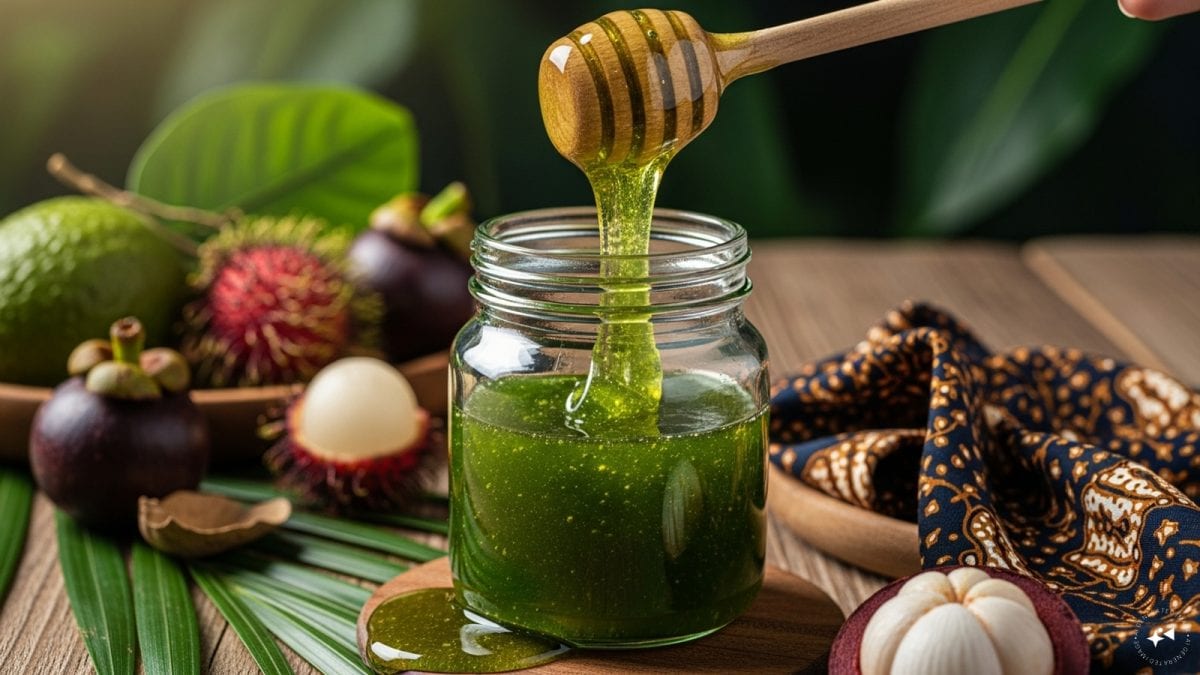
There is a special kind of honey that is green and very expensive.
It is called green honey and is made by bees that collect nectar from specific flowers.
This honey is so rare because the bees and the right conditions are not common.
The most famous type is Nepal's Mad Honey, which comes from rhododendron flowers and can be pale green or deep green.
People have to climb dangerous cliffs to get this honey, and it takes a lot of time and effort to make just a little bit.
This honey is not only sweet but also has some health benefits, like helping your body fight sickness and making you feel less stressed.
However, you should not eat too much of it because it can be harmful.
This honey is so valuable that it costs almost as much as gold.

Green honey is one of the world's rarest and most expensive honeys, harvested from Himalayan cliffs at altitudes above 3,500 metres.
The honey is produced by giant Himalayan honeybees that collect nectar from specific green-tinted flowers, such as rhododendron flowers in Nepal.
Harvesting is done twice a year by members of the Gurung community, who risk their lives climbing steep cliffs using bamboo ladders.
Mad Honey, a type of green honey, can cost up to $200 for just 100 grams, making it as valuable as precious metals.
While green honey is believed to have health benefits like boosting immunity and relieving stress, excessive consumption can be harmful.
- Who
- Gurung community members
- What
- Harvesting of rare green honey from Himalayan cliffs
- When
- Twice a year
- Where
- Himalayan cliffs, altitudes above 3,500 metres
- Why
- To collect the rare and expensive green honey
- Price
- Up to $200 for 100 grams
- Harvest Location
- Himalayan cliffs, altitudes above 3,500 metres
- Production Time
- One kilogram can take a lifetime of bees
- Health Benefits
- Boosts immunity, relieves stress, improves well-being
- Risks
- Excessive consumption can be harmful
- Harvest Frequency
- Twice a year
- Bee Species
- Giant Himalayan honeybees
- Flower Source
- Rhododendron flowers (grayanotoxins)