Archive · 19 Sep 2026
Bolivian Weird Cat Identified as New Species After Century

Scientists found that a small wild cat in Bolivia is different from other cats.
A family first thought the animal was an ordinary pet.
In 2016, it was taken to the Senda Verde wildlife sanctuary.
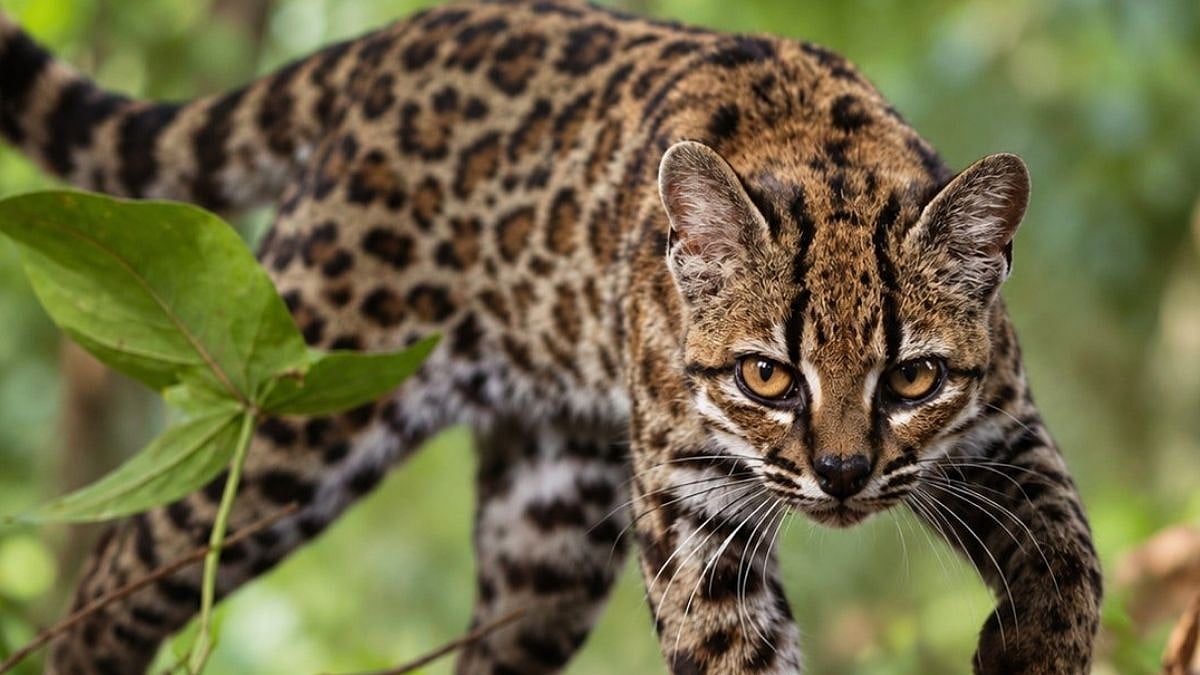
Its unusual spots made researchers curious.
Scientists studied its DNA and proposed the name Leopardus tilcayo.
They think it split from other tiger cats about 1.4 million years ago.
The cat lives in Bolivia’s cloudy Yungas forests.
Camera traps suggest it may be active at night, and its droppings contained remains of small rodents.
Scientists still do not know how many of these cats live in the wild or how they reproduce.

Researchers proposed Leopardus tilcayo as a new tiger-cat species from Bolivia’s Yungas forests.
The animal was first reported in 2016 after a family mistook it for a domestic cat.
Genetic analysis of 38 cats found that the Bolivian animal forms a distinct lineage.
Researchers estimate that its lineage separated from other tiger cats about 1.4 million years ago.
The discovery expands the tiger-cat group to five species and could change conservation assessments.
- Who
- Researchers including Bolivian biologist Paola Nogales-Ascarrunz, geneticist Eduardo Eizirik, and University of Antwerp researcher Jonas Lescroart studied the cat.
- What
- They identified a distinct tiger-cat lineage and proposed the new species name Leopardus tilcayo.
- When
- The animal was reported in 2016, and the study was published in Current Biology in September 2026.
- Where
- The cat is known from Bolivia’s Yungas forest ecoregion on the eastern slopes of the Andes.
- Why
- Its unusual appearance and genetic differences showed that it was distinct from previously grouped tiger cats, with possible consequences for conservation.
- Proposed species
- Leopardus tilcayo
- Local name
- Tilcayo
- Known habitat
- Bolivia’s Yungas forest ecoregion
- Physical size
- About 46 centimeters long and 1.4 kilograms
- Genetic study
- Analysis of 38 cats from across South America and the Leopardus genus
- Estimated divergence
- About 1.4 million years ago
- Related finding
- Researchers described the Peruvian Yungas subspecies Leopardus tigrinus antisuyo
- Conservation concern
- The Yungas faces pressure from deforestation, agriculture, fires, and mining