

Archive · 26 Jan 2026
AI Companions: Risks of Artificial Intimacy
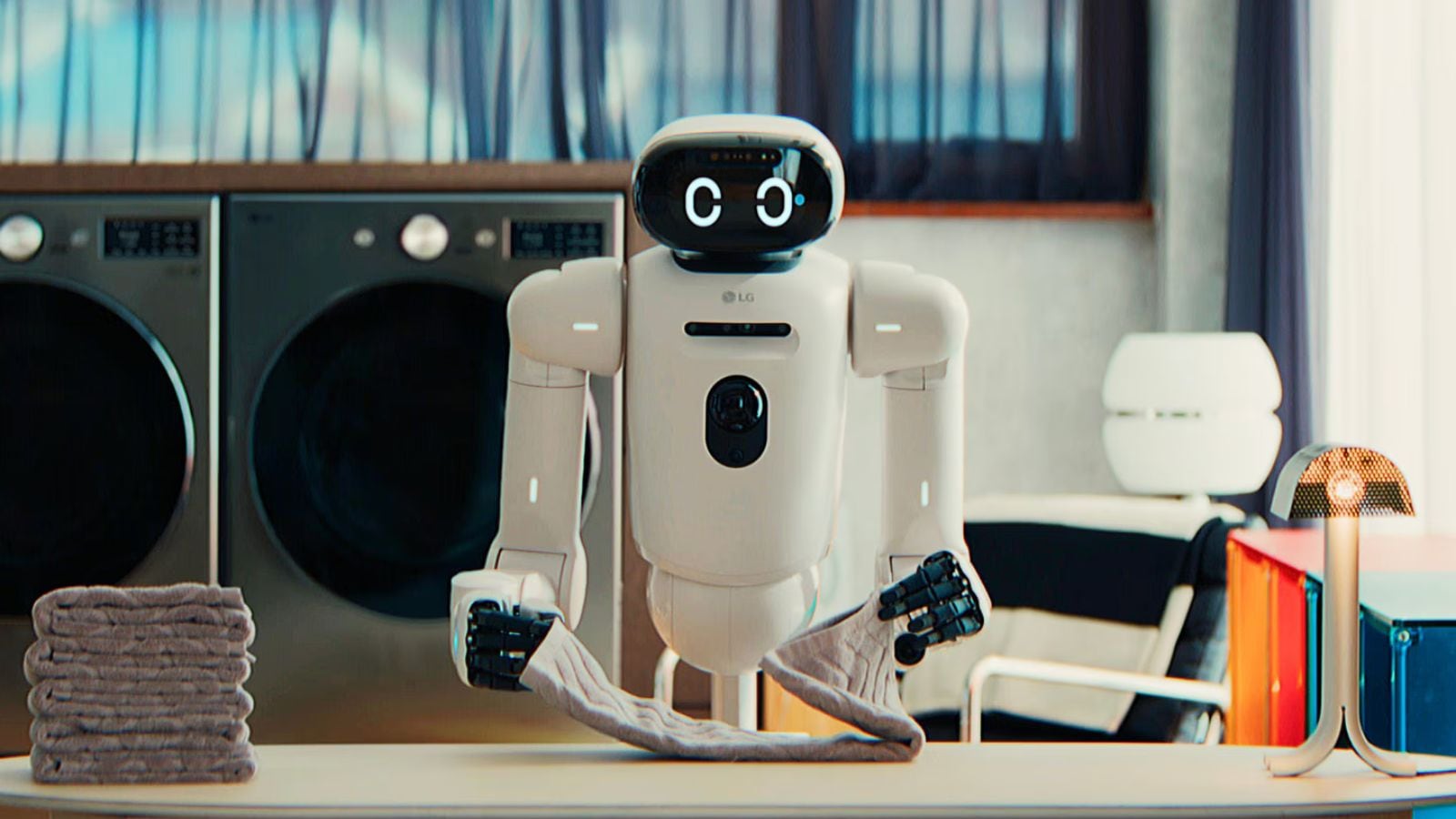
AI companions are designed to provide emotional support and companionship, which can be helpful for people who are lonely or struggling with mental health issues.
However, there are concerns that these AI companions can become a substitute for real human relationships, leading to emotional dependence and other potential harms.
Some AI developers have introduced safeguards to address these concerns, but more needs to be done to regulate this emerging industry and ensure that AI companions are used in a safe and responsible way.
Governments and society have a crucial role to play in addressing the potential harms of artificial intimacy and promoting digital literacy.

AI companions simulate care, empathy, and emotional support, addressing the loneliness crisis.
Potential harms include emotional dependence, self-harm, and suicide risks.
Some AI developers have introduced safeguards, but more regulation is needed.
Governments and society have a crucial role in addressing the potential harms of artificial intimacy.
Digital literacy should emphasize that responsiveness is not care, and simulation is not reciprocity.
- Who
- Societies, governments, AI developers, and users
- What
- The rise of AI companions and their potential risks
- When
- Currently and in the future
- Where
- Globally, with specific mentions of the US, UK, and India
- Why
- To address the loneliness crisis and the potential harms of artificial intimacy
- Loneliness Crisis
- Recognized as a public health issue in the US and UK
- Loneliness Economy
- Valued at over $1 billion in India
- AI Companions
- Simulate care, empathy, and emotional support
- Potential Harms
- Emotional dependence, self-harm, and suicide risks
- Safeguards
- Intervention during chats, limiting long-term memory, age restrictions
- Regulation
- Government should regulate emotional manipulation and safeguards
- Digital Literacy
- Emphasize that responsiveness is not care, simulation is not reciprocity