Archive · 10 Nov 2025
Vande Mataram: A Song's Journey From Poem to National Symbol
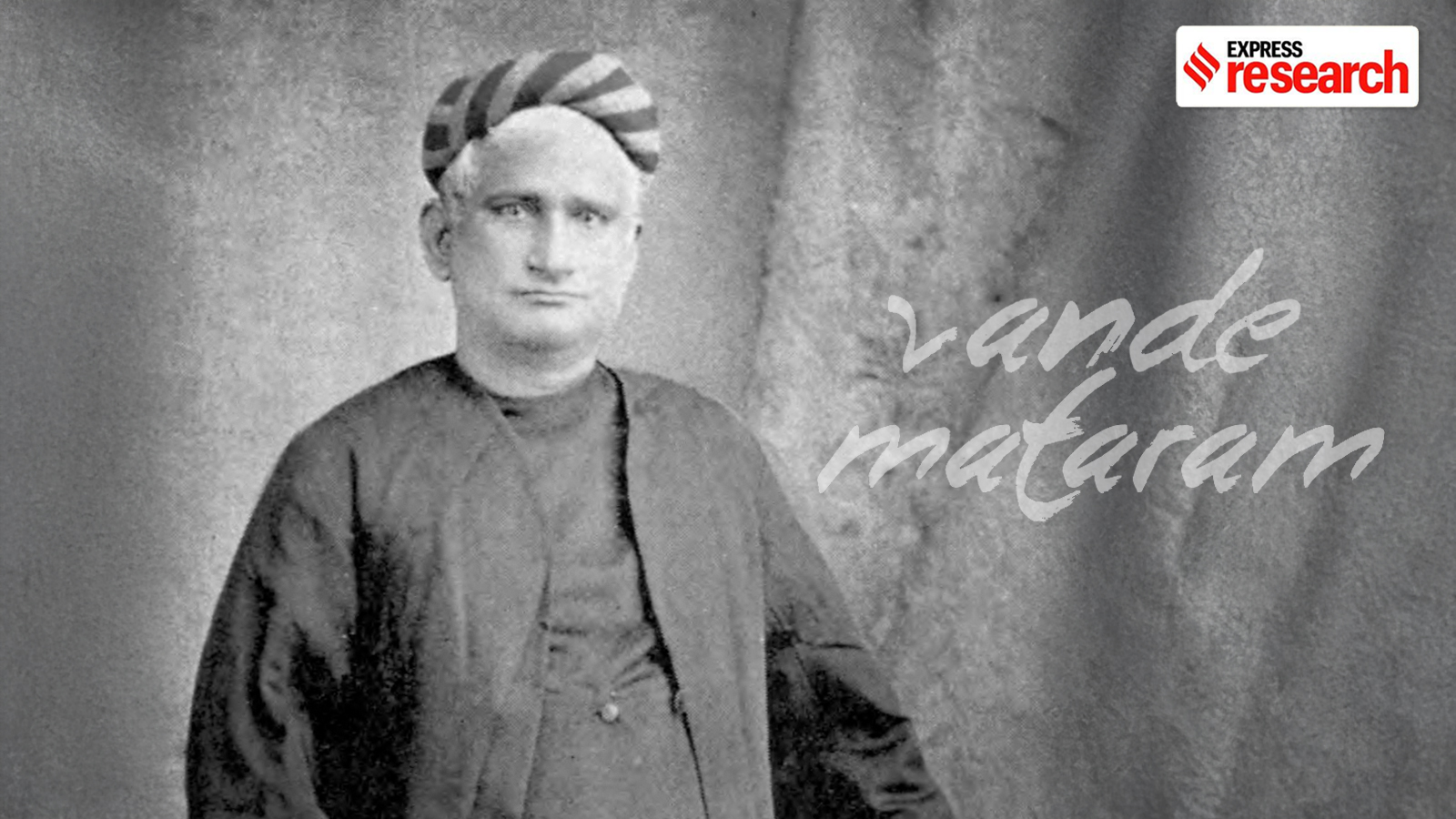
A long time ago, a poet named Bankim Chandra Chatterjee wrote a poem called 'Vande Mataram.'
At first, it was just a poem, but later it was put in a storybook.
People started singing it because it sounded very patriotic and spoke of loving India.
During India's fight for freedom from British rule, 'Vande Mataram' became a popular slogan that many people shouted during protests.
Even leaders like Mahatma Gandhi thought it was a beautiful song.
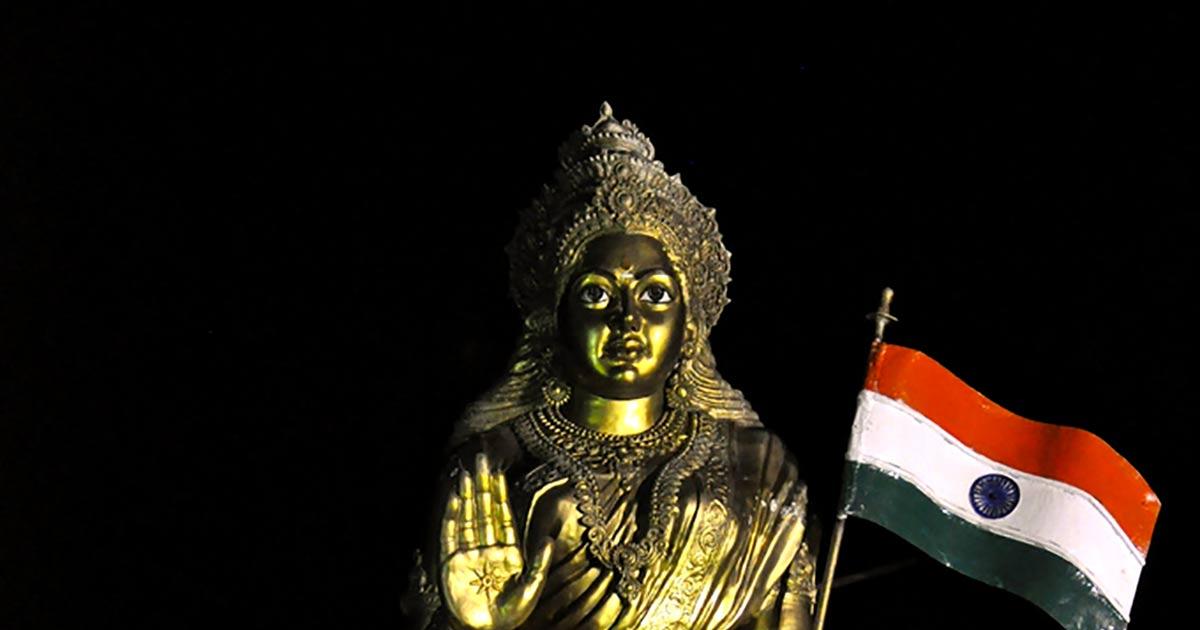
However, some people didn't like parts of the song because it sounded too religious, like worshipping the land as a goddess.
This caused some arguments.
Eventually, the parts that were too religious were removed, and a version of the song was officially chosen as India's national song, while another song became the national anthem.
It's a song with a long history that means different things to different people.

The poem 'Vande Mataram' was composed by Bankim Chandra Chatterjee in the late 19th century, later included in his novel 'Anandamath' in 1882.
The song gained popularity as a nationalist slogan during the Swadeshi agitation starting in 1905 and was widely sung across India.
By the 1920s, 'Vande Mataram' was widely recognized and translated into numerous Indian languages.
In the 1930s, objections arose due to the song's perceived idolatrous and religious imagery, leading to debates about its suitability as a national song.
The Indian National Congress adopted an expurgated version of the song in 1937, which was later designated the national song in 1951.
- Who
- Bankim Chandra Chatterjee and various nationalist figures including Rabindranath Tagore, Gopal Krishna Gokhale, and Mahatma Gandhi; later figures like Jawaharlal Nehru, Rajendra Prasad, and Muhammad Ali Jinnah.
- What
- The creation and evolution of the song 'Vande Mataram', its adoption as a nationalist slogan and later as a national song, and the controversies surrounding its religious imagery.
- When
- Composed in the late 19th century (likely after 1872), included in a novel in 1882, sung at Congress sessions from 1896, became a slogan during the 1905 Swadeshi agitation, debated in the 1930s, and adopted as a national song in 1951. A special program marking its 150th anniversary was announced for November 7.
- Where
- Originated in Bengal; gained prominence in Calcutta (Kolkata) and spread across India, with key events in Delhi and Madras (Chennai).
- Why
- Initially composed as a poem, it became a powerful symbol of nationalist sentiment and a rallying cry against British rule, later becoming a subject of debate due to its religious tone.
Support for Vande Mataram
Objections to Vande Mataram
Religious Imagery
Support for Vande Mataram
The song's imagery and rhetoric, while invoking the divine, were seen as a powerful expression of love for the motherland and could be embraced by many.
Objections to Vande Mataram
The song's references to the divine and motherland as a goddess were considered idolatrous and incompatible with secular ideals, potentially causing division.
National Song Status
Support for Vande Mataram
As a widely known and translated song, Vande Mataram held significant nationalistic appeal and was adopted by the Indian National Congress as a national song after expurgating certain verses.
Objections to Vande Mataram
The overtly religious tone of the song made its adoption as a national song problematic for those concerned about secularism and inclusivity, particularly for the Muslim League.
- Composer
- Bankim Chandra Chatterjee
- Original Form
- Poem
- Publication in Anandamath
- 1882
- First Sung at Congress Session
- 1896
- Became Political Slogan
- During Swadeshi agitation, starting 1905
- Adoption as National Song
- After expurgating overtly 'idolatrous' references, by Indian National Congress in 1937 and adopted by Constituent Assembly in 1951.
- Anniversary Program
- November 7 in New Delhi, marking 150th year