Archive · 7 Oct 2026
Norway Plans Temporary Restrictions on Smart Glasses Over Privacy

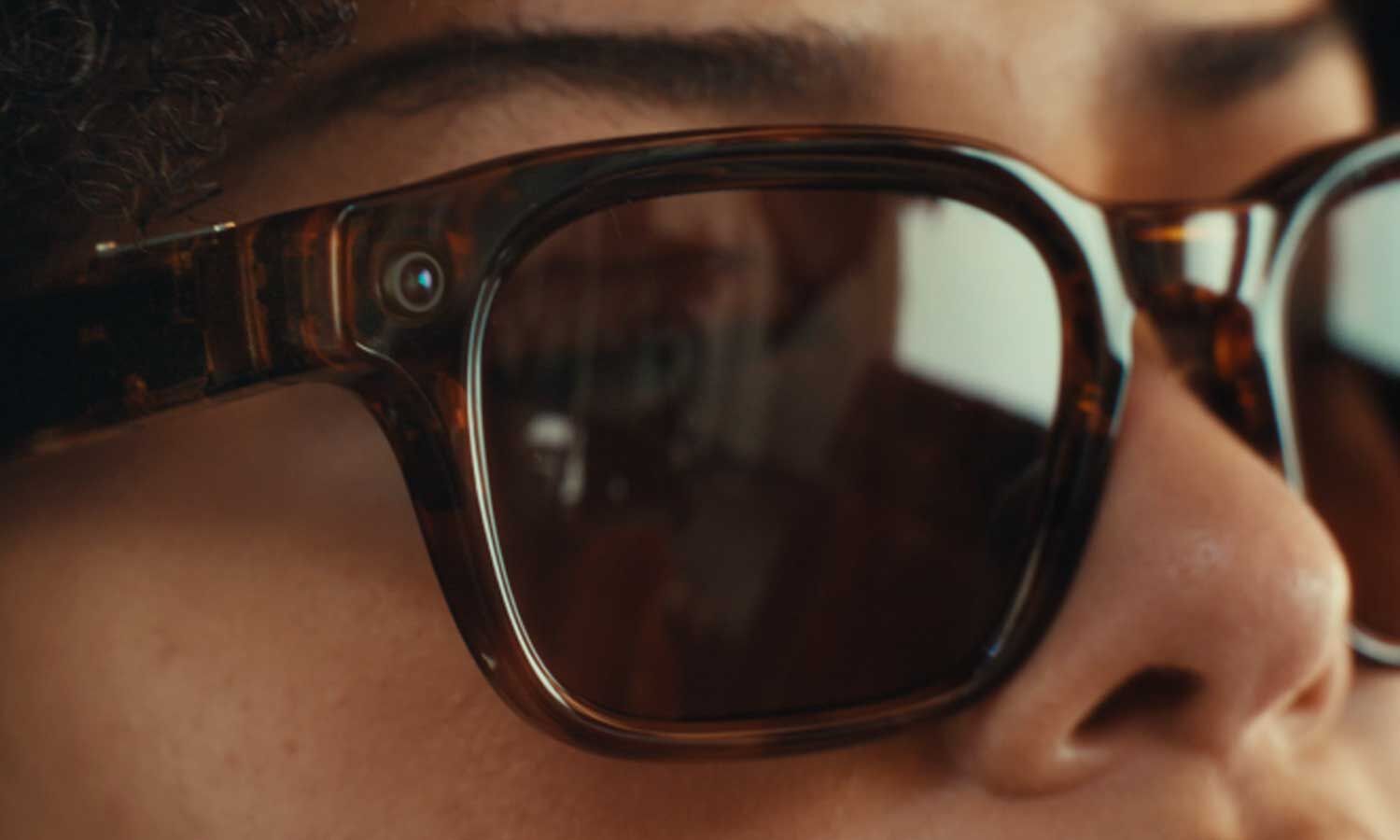
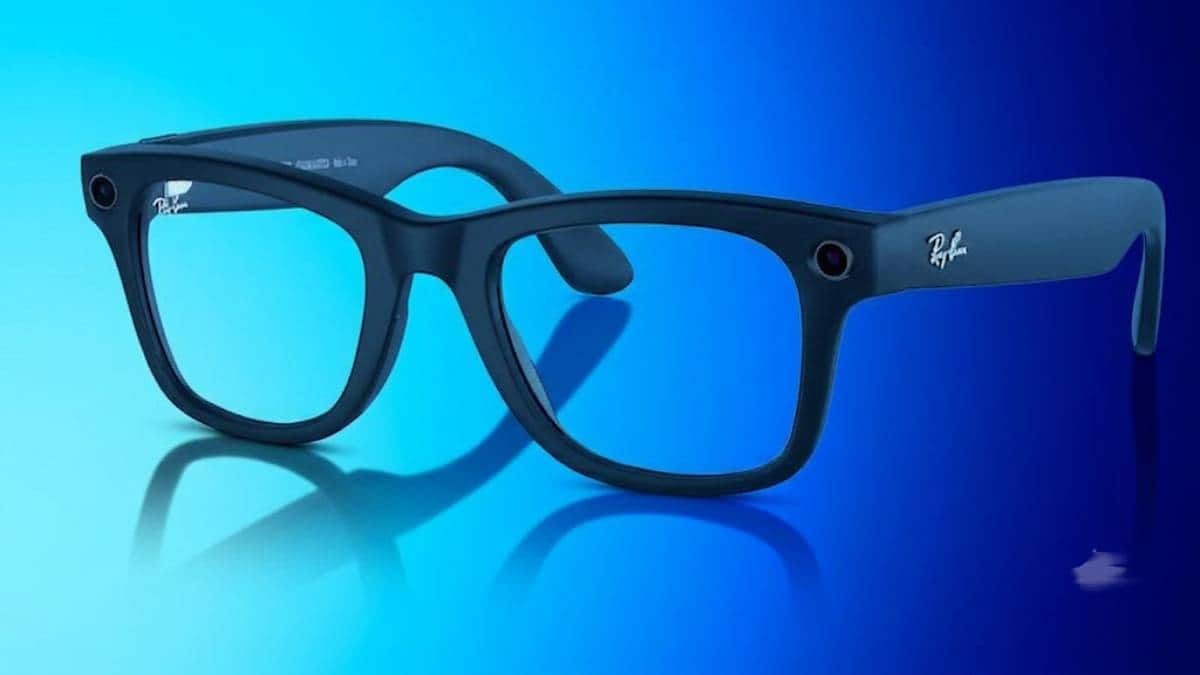
Smart glasses can take pictures, record sound, or use artificial intelligence while looking like ordinary glasses.
Norway is considering temporary rules to limit them in some places.
These could include schools, parks, gyms, and places where people expect more privacy.
The government is worried that people might be recorded without knowing it.
Norway has not decided exactly which devices or places the rules would cover.
It says it does not want to ban the glasses everywhere, and some uses may still be allowed.
It also plans to ask experts for advice about longer-lasting rules.
Other places, including Australia, the United Kingdom, and the United States, are also considering or enforcing limits on some uses.

Norway plans to propose temporary restrictions on AI-enabled glasses to parliament as soon as possible.
Possible locations include parks, beaches, museums, shopping centres, public events, schools and privacy-sensitive facilities.
Officials say the concern is that discreet devices can record images or sound without nearby people knowing.
The government says it is not proposing a total ban; private use and some socially beneficial uses may be allowed.
Australia is reviewing government-workplace limits, while courts and businesses in the UK and US have restricted some uses.
- Who
- Norway’s government, including Digitalisation and Public Governance Minister Torgeir Micaelsen.
- What
- A proposed temporary restriction on AI-enabled and camera-equipped smart glasses in selected locations.
- When
- Norway plans to introduce a bill to parliament as soon as possible; another article says the proposal was announced on 5 October.
- Where
- Potentially in public and privacy-sensitive locations in Norway, including schools, parks, healthcare facilities and gyms.
- Why
- To address concerns that people may be photographed, filmed or audio-recorded without their knowledge.
Privacy and recording concerns
Permitted use and potential benefits
Restrictions in public and sensitive places
Privacy and recording concerns
Norwegian officials are concerned that discreet glasses can capture images or sound without people knowing, including in schools, healthcare facilities, changing areas and public spaces.
Permitted use and potential benefits
Norway says it is not proposing a complete ban, and private use may remain allowed where others face no meaningful risk of being recorded without consent.
Scope of the rules
Privacy and recording concerns
Officials are considering whether to restrict glasses and possibly other wearable devices capable of recording images or sound, including AI-enabled devices.
Permitted use and potential benefits
The precise devices and locations covered remain undecided, and the government is considering exceptions for vulnerable groups and socially beneficial uses.
- Proposed action
- Temporary restrictions or a ban in selected locations; legislation is planned for parliament.
- Potential locations
- Parks, beaches, museums, shopping centres, public events, schools, healthcare facilities, and gyms or pools with changing areas.
- Technology under consideration
- Camera- and audio-equipped glasses, AI glasses, and potentially other body-worn recording technology.
- Scope
- Officials have not settled which devices or locations would be covered.
- Permitted use
- The government says it is not proposing a total ban; private use may remain allowed when others face no meaningful risk of recording without consent.
- Possible exceptions
- Norway is considering exceptions for vulnerable groups and socially beneficial uses.
- Next steps
- The government plans to introduce a bill as soon as possible and establish an expert group to advise on permanent regulation.
- Other reported measures
- Australia is considering limits in government workplaces; courts in New York and the UK have restrictions, and some UK cinemas are limiting use.