Archive · 21 Jun 2025
Australian Moths Navigate Long Distances Using Stars

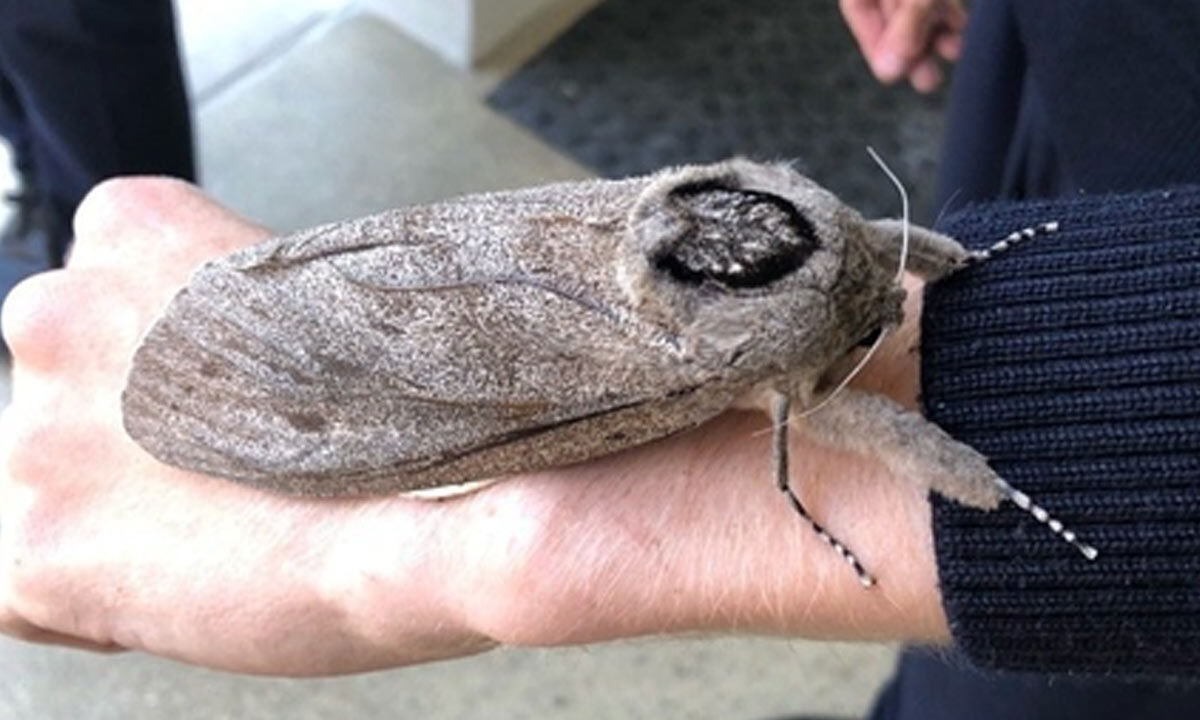
Bogong moths are like tiny travelers that fly really far.
Scientists found they use stars and the Milky Way to find their way, just like people once did!
They fly south in spring and north in autumn, guided by the stars.
If the stars move, the moths get confused.
If it's cloudy, they use Earth's magnetic field instead.
This helps them travel safely.
It's important to protect these moths and the places they travel.

Bogong moths use stars and the Milky Way for long-distance migration.
Research confirms moths rely on stellar navigation for annual migrations up to 1,000 km.
Moths reverse direction when the night sky is rotated.
Moths switch to Earth’s magnetic field when stars are obscured.
Protecting migratory routes and dark skies is vital for moth conservation.
- Who
- Australian Bogong moths and an international team of scientists.
- What
- Bogong moths use stellar navigation for long-distance migration.
- When
- Each spring and autumn.
- Where
- Southeast Australia to the Snowy Mountains and back.
- Why
- To migrate for breeding and hibernation.
- Insect
- Bogong moth
- Migration Distance
- Up to 1,000 km
- Navigation Method
- Stellar and magnetic field
- Location of Study
- Snowy Mountains, Australia
- Research Lead
- International team of scientists