

Archive · 6 Oct 2026
Delhi Police Urge Journalists to Show IDs Amid Misconduct Allegations
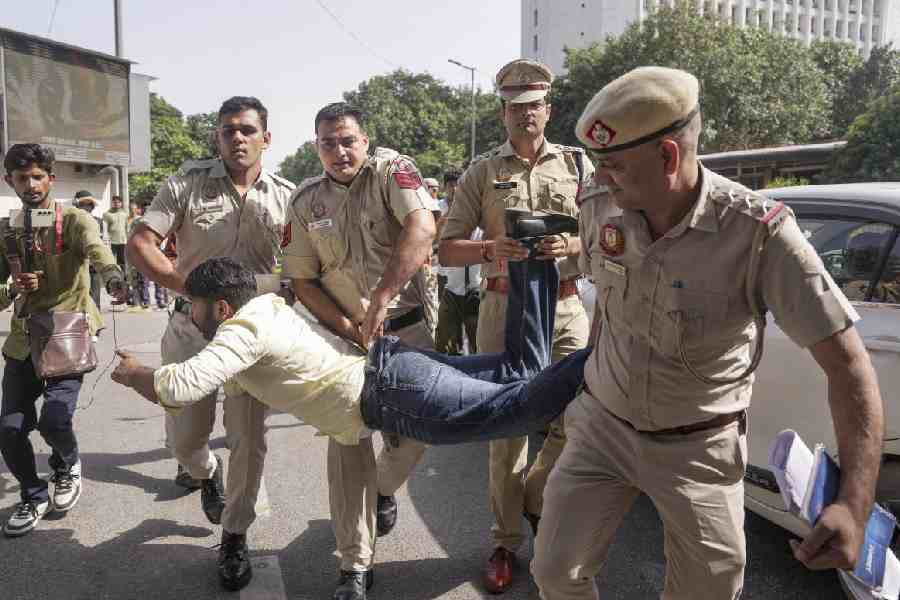
Delhi Police told journalists covering protests to show their press identification cards.
Police also said reporters should not get in the way of police work and should keep a safe distance when things become tense.
The advice came while people were questioning whether some officers at protests were showing their name tags.
Women journalists have accused police personnel of misconduct.
One journalist alleged that an officer assaulted and pushed her.
Police said complainants had medical examinations and asked people to share relevant video, but the Indian Youth Congress said no examination or police report had happened.
Delhi Police also gave body cameras to officers working at the front lines.
The cameras are meant to record what happens during interactions with crowds.

Delhi Police advised journalists covering protests to display valid identity cards, avoid obstructing police, and keep a safe distance during tense situations.
The advisory accepts cards from journalists’ own organisations or valid Press Information Bureau accreditation cards.
The guidance came amid questions about officers allegedly lacking visible name tags and allegations that police personnel mistreated women journalists.
A woman journalist alleged that ACP Vivek Bhagat sexually assaulted and pushed her; police said complainants underwent medical examinations and requested related footage.
The Indian Youth Congress disputed that account, while Delhi Police also issued body-worn cameras to frontline personnel in New Delhi.
- Who
- Delhi Police and journalists covering protests; women journalists have also made allegations against police personnel.
- What
- Police issued protest-reporting guidelines asking journalists to display identification, avoid obstructing police, and keep a safe distance.
- When
- The advisory was issued on Monday; the article also reports related police actions on Tuesday.
- Where
- Delhi, including Jantar Mantar and the New Delhi area.
- Why
- Police said the guidelines would facilitate identification and safe protest coverage; body cameras were issued to record events and interactions.
Complainants and critics
Police account
Alleged misconduct and response
Complainants and critics
A woman journalist alleged that ACP Vivek Bhagat sexually assaulted and pushed her; Rahul Gandhi and Priyanka Gandhi criticised the police response and the lack of an FIR. The Indian Youth Congress said no medical check-up or FIR had occurred.
Police account
Delhi Police said complainants underwent medical examinations and appealed for footage concerning the allegations to be shared with the Crime Branch.
Officers’ name tags
Complainants and critics
Videos and media reports prompted questions about police personnel working without visible name tags.
Police account
Delhi Police denied issuing instructions to officers to remove their name tags.
- Advisory
- Four guidelines for journalists covering protests.
- Accepted identification
- Cards from journalists’ organisations and/or valid PIB/DIP accreditation cards.
- Police response to allegations
- Police said complainants underwent medical examinations and asked that relevant footage be shared with the Crime Branch.
- Disputed claim
- The Indian Youth Congress said no medical check-up was conducted and no FIR was lodged.
- Body cameras
- Issued to frontline officers and personnel across the New Delhi area, particularly those involved in crowd management and security near protest sites.
- Separate arrest
- Delhi Police arrested a 24-year-old man accused of creating and circulating an AI-generated fake poster depicting a police officer sexually assaulting a woman.