

Archive · 28 Sep 2026
How India’s Lunchbox Is Adapting To Modern Workdays
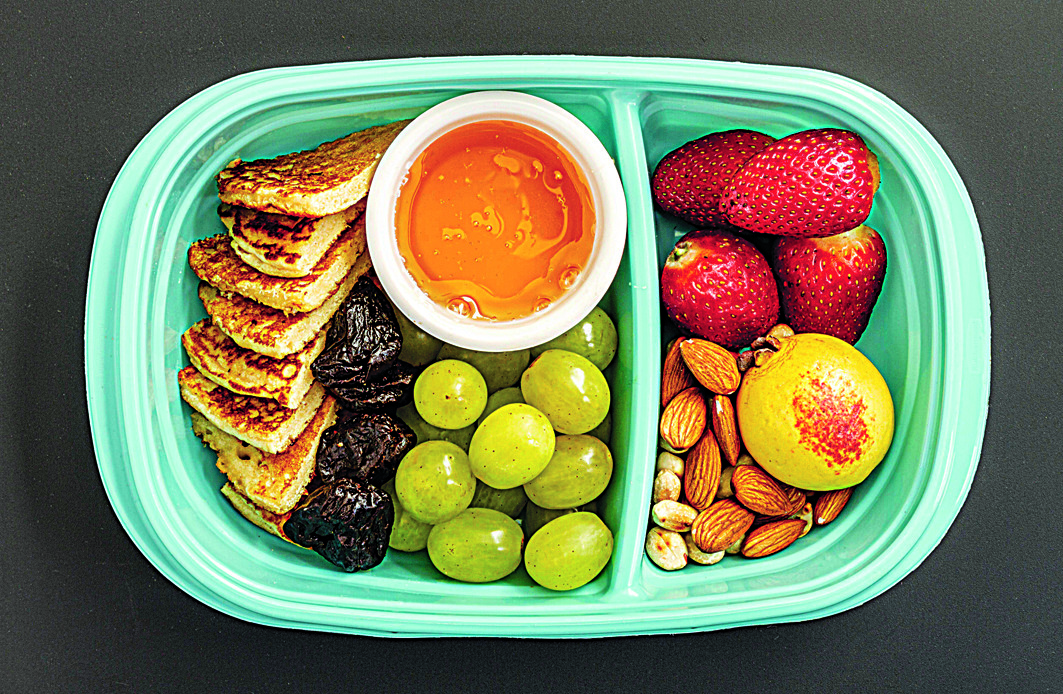
Indian office lunchboxes are changing because people’s workdays are changing.
Many workers still bring dal, rice, roti and vegetables from home.
They are also adding foods such as salads, wraps, oats and millet bowls.
Some people prepare several meals at once, while others reuse dinner leftovers for lunch.
This can save time, money and food.
Tiffin services now deliver home-style meals to people who live away from their families.
Lunches are often designed to be quick to eat during busy workdays.
Nutritionists say lunch should still be a real break, with carbohydrates, protein and vegetables.

Indian office lunches now combine traditional meals with salads, wraps, millet bowls and meal-prepped foods.
Long commutes, hybrid work, fitness routines and meetings are changing how people plan and eat lunch.
Leftovers are being transformed into new meals, helping households save time, money and food.
Tiffin services are offering home-style meals with greater customization of portions, ingredients, protein and oil.
Packed lunches can support healthier, cheaper eating, but nutritionists say workers should still take proper breaks from their desks.
- Who
- Indian office workers, young professionals, nutritionists and tiffin-service providers.
- What
- The traditional Indian lunchbox is evolving to include meal-prepped foods, reworked leftovers, bowls, wraps and customized tiffin meals.
- When
- The article describes current changes in modern working life and office lunch habits.
- Where
- Indian workplaces, including examples from Pune and Bengaluru.
- Why
- Long commutes, hybrid schedules, busy meetings, health goals, rising food costs and concerns about food waste are influencing lunch choices.
- Traditional foods
- Dal, rice, roti, curd, vegetables and other home-cooked dishes remain common.
- New lunchbox formats
- Salad bowls, grain bowls, millet bowls, protein bowls, wraps and overnight oats are increasingly visible.
- Meal preparation
- Some workers prepare ingredients or meals in advance, while others repurpose leftovers from dinner.
- Tiffin services
- Home-chef and subscription-based services provide an alternative to restaurant delivery, especially for people living away from family.
- Economic benefit
- Packed lunches can reduce spending on restaurant meals and delivery charges.
- Nutrition guidance
- A practical lunch can include carbohydrates, protein, vegetables or fibre, healthy fats and enough food for individual needs.
- Workplace concern
- Eating at a desk may cause people to rush and miss hunger or fullness cues.