

Archive · 19 May 2025
The Tamarind Tree: Myths, Uses, and Nutritional Benefits
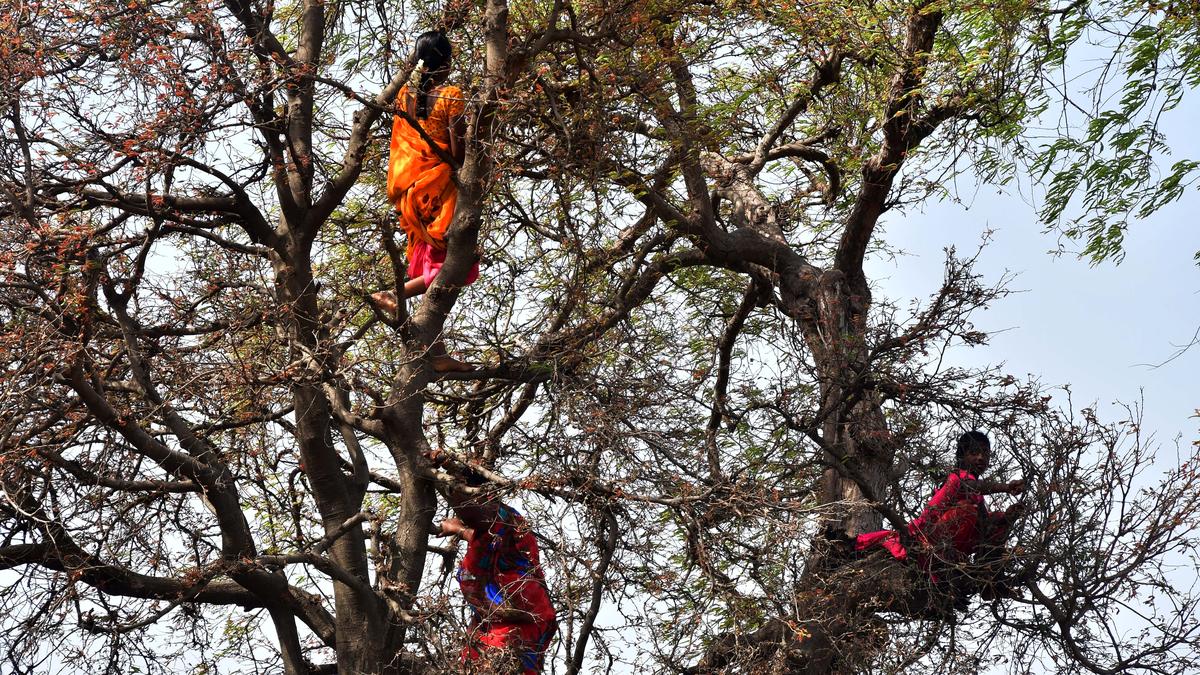
The tamarind tree is a fascinating tree full of stories and uses.
Some people believe it's a home for spirits or that it's connected to the Hindu god Shiva and Rama.
It likely came from India, though some think it might have come from somewhere else first.
Before people used tomatoes, tamarind was used to make food taste sour.
The fruit is good for you, helping with digestion.
You can find it in traditional medicine too.
The leaves of the tree can even be used as food for animals.
It’s a tough tree that grows well in dry places and has lots of uses.

The tamarind tree is the subject of myth and folklore, with stories relating to Lord Shiva and Lord Rama.
Tamarind originated in India, but some evidence suggests it may have been cultivated in Egypt or Madagascar.
Before tomatoes, tamarind added a sour taste to Indian dishes and is still worshipped as a deity in rural India.
The fruit is rich in nutrients, contributes to digestive health, and provides mild laxative benefits.
The tamarind tree is hardy and drought-resistant, offering culinary, nutritional, and medicinal benefits.
- Who
- The tamarind tree
- What
- A discussion about the history, uses, and benefits of the tamarind tree.
- When
- Ancient times to Present
- Where
- Originating in India, the tamarind tree is also used in other parts of the world.
- Why
- The tamarind tree is a source of myths, a culinary ingredient, and has medicinal properties.
- Origin
- India (possibly Egypt or Madagascar)
- Lifespan
- Up to 200 years (some up to 400)
- Meaning of Name
- ‘Date of India’
- Primary Use (Before Tomatoes)
- Sour flavoring in Indian dishes
- Medicinal use
- Traditional medicine in western and eastern Africa.