

Archive · 19 Jul 2026
Trump Delays Saudi Uranium Enrichment Deal
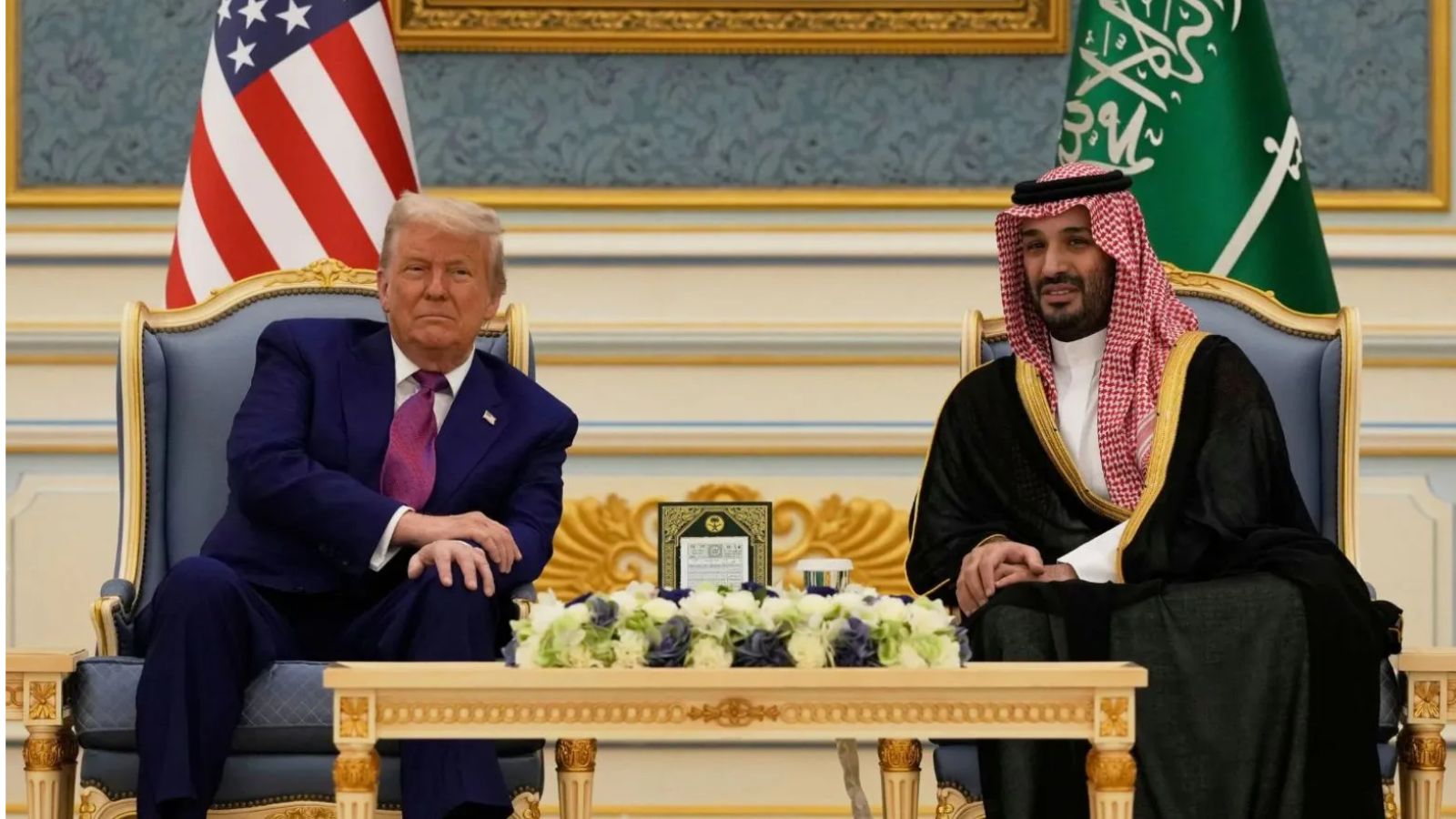
The United States and Saudi Arabia have been discussing a deal that would allow Saudi Arabia to enrich uranium for its civilian nuclear program.
This deal is different from previous agreements because it doesn't include strict international safeguards, like the IAEA's Additional Protocol, which are usually required to prevent countries from making nuclear weapons.
Some experts are worried that this deal could lead to nuclear proliferation, as Saudi Arabia could potentially use the enriched uranium to make nuclear weapons.
Others believe the deal could be beneficial for both countries and that the risks are manageable.
The deal is currently waiting for President Trump's signature, and some people think it might be delayed because of the ongoing war with Iran and potential opposition in Congress.

The Trump administration has tentatively agreed to a deal allowing Saudi Arabia to enrich uranium without strict international safeguards.
The deal includes a civil nuclear cooperation pact and a separate safeguards agreement, but it lacks the IAEA's Additional Protocol.
The agreement is awaiting President Trump's signature, with potential delays due to the ongoing war with Iran and potential bipartisan disapproval.
Experts are divided on the adequacy of the deal's terms and the potential proliferation risks involved.
The deal could set a precedent for other countries to seek similar bilateral safeguards arrangements, potentially weakening international nuclear non-proliferation efforts.
- Who
- United States and Saudi Arabia
- What
- A draft deal allowing Saudi Arabia to enrich uranium without strict international safeguards
- When
- Talks concluded in October 2025, awaiting President Trump's signature
- Where
- United States and Saudi Arabia
- Why
- To facilitate Saudi Arabia's civilian nuclear program, but concerns about nuclear proliferation and the lack of strict safeguards have caused delays
Critics
Supporters
Safeguards and Proliferation Risks
Critics
Critics argue the deal lacks strict safeguards, such as the IAEA's Additional Protocol, which could lead to nuclear proliferation risks. They warn that allowing uranium enrichment and reprocessing in Saudi Arabia could eventually lead to the development of nuclear weapons.
Supporters
Supporters believe the deal's terms, though not yet public, could be adequate. They argue that the commercial and strategic benefits of working with Saudi Arabia outweigh the residual proliferation risk and that refusing a deal might push Saudi Arabia to seek looser terms from other countries like Russia or China.
- Parties Involved
- United States and Saudi Arabia
- Type of Agreement
- Civil nuclear cooperation pact (123 agreement) and a separate safeguards agreement
- Key Concerns
- Lack of IAEA's Additional Protocol, potential for uranium enrichment and reprocessing in Saudi Arabia
- Current Status
- Awaiting President Trump's signature
- Potential Delay Reasons
- Ongoing war with Iran, potential bipartisan disapproval resolution
- Expert Opinions
- Mixed views on the adequacy of the deal's terms and the risks involved
- Precedent Concerns
- Potential for other countries to exploit similar bilateral safeguards arrangements
- Saudi Arabia's Stance
- Crown Prince Mohammed bin Salman has stated Saudi Arabia would seek nuclear weapons if Iran obtains them