9 months ago
GLP-1 Drugs May Reduce Epilepsy Risk in Diabetes Patients
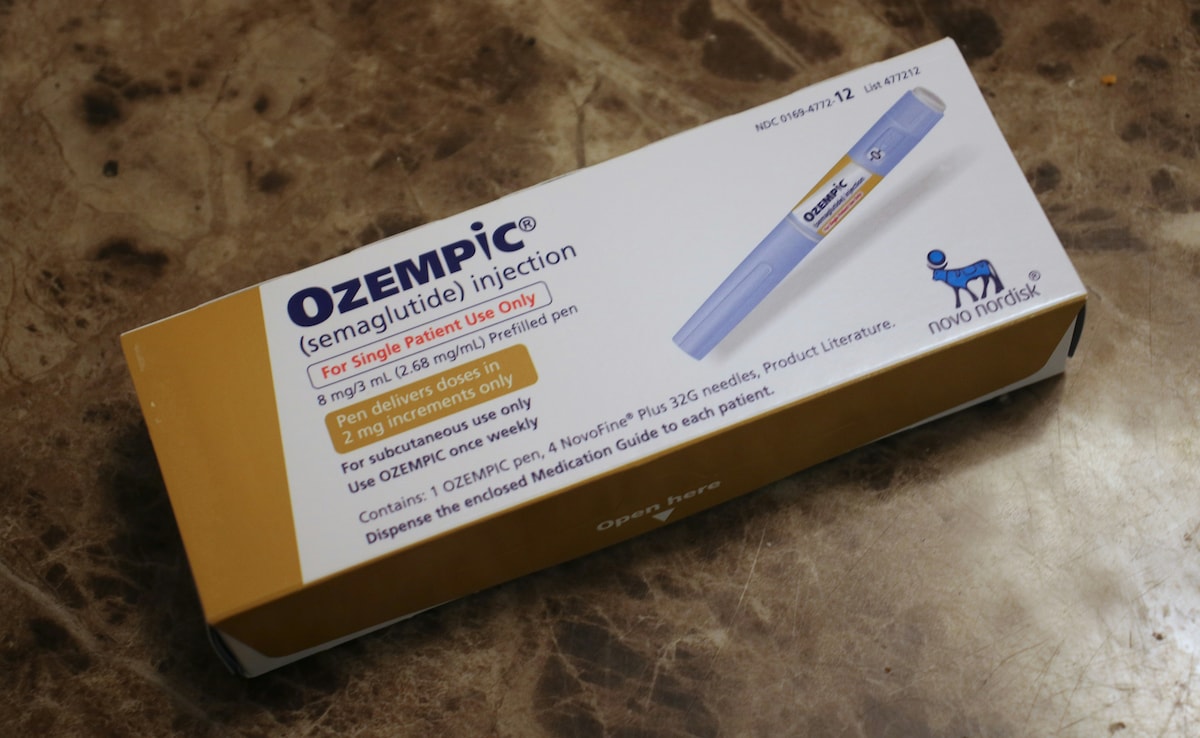
A recent study found that a type of diabetes medication, called GLP-1 drugs, might help lower the risk of epilepsy in people with type 2 diabetes.
These drugs, like Ozempic, help control blood sugar levels and appetite.
The study looked at over 450,000 people with diabetes and found that those taking GLP-1 drugs had a slightly lower chance of developing epilepsy compared to those taking a different type of diabetes medication.
However, more research is needed to confirm these findings.
The study suggests that GLP-1 drugs might have benefits for the brain, but it's important to note that these drugs are not proven to be definitely beneficial for brain health.
The study also has some limitations, such as not being able to account for all possible factors that could affect the results.

A study found a potential link between GLP-1 drugs and a reduced risk of epilepsy in type 2 diabetes patients.
The study analyzed data from 452,766 adults newly diagnosed with type 2 diabetes, comparing GLP-1 users to DPP-4 users.
GLP-1 users had a 16% lower risk of developing epilepsy compared to DPP-4 users.
Semaglutide (Ozempic) showed the strongest protective signal against epilepsy among the GLP-1 drugs studied.
More research is needed to confirm the neurological benefits of GLP-1 drugs, as the study had limitations and could not rule out all biases.
- Who
- Adults newly diagnosed with type 2 diabetes, without prior epilepsy or seizure diagnosis
- What
- A study investigating the potential link between GLP-1 drugs and reduced epilepsy risk
- Where
- The study utilized a U.S. health database
- When
- The study followed participants for at least five years
- Why
- To explore the potential neurological benefits of GLP-1 drugs in diabetes patients
Key facts
- Study Focus
- Link between GLP-1 drugs and epilepsy risk reduction in type 2 diabetes patients
- Drugs Studied
- Semaglutide, dulaglutide, liraglutide (GLP-1 receptor agonists)
- Study Participants
- 452,766 adults newly diagnosed with type 2 diabetes
- Key Finding
- 16% lower risk of epilepsy in GLP-1 users compared to DPP-4 users
- Study Limitations
- Retrospective, observational design; unmeasured biases; missing data on risk factors
- Expert Opinion
- More research needed to confirm neurological benefits of GLP-1 drugs
- Publication
- Neurology, the medical journal of the American Academy of Neurology
Quotes
Edy Kornelius, MD, PhD
Study author and researcher at Chung Shan Medical University in Taichung, Taiwan
“Additional randomized, controlled trials that follow people over time are needed to confirm these findings, but these results are promising, since people with diabetes are at increased risk for developing epilepsy later in life. Epilepsy can have many physical, psychological and social consequences, and many people do not respond to the current medications, so finding ways to reduce this risk is critical.”
 NDTV
NDTV
“More research is needed, but these findings support the theory that GLP-1 drugs may have neurological benefits beyond controlling blood sugar. It should be noted that these findings do not imply that DPP-4 inhibitors are harmful in any way or that GLP-1 drugs are definitely beneficial for brain health.”
NDTV