Archive · 7 Aug 2025
Humans, Not Nukes, Kept the Peace: Lessons for the New Age
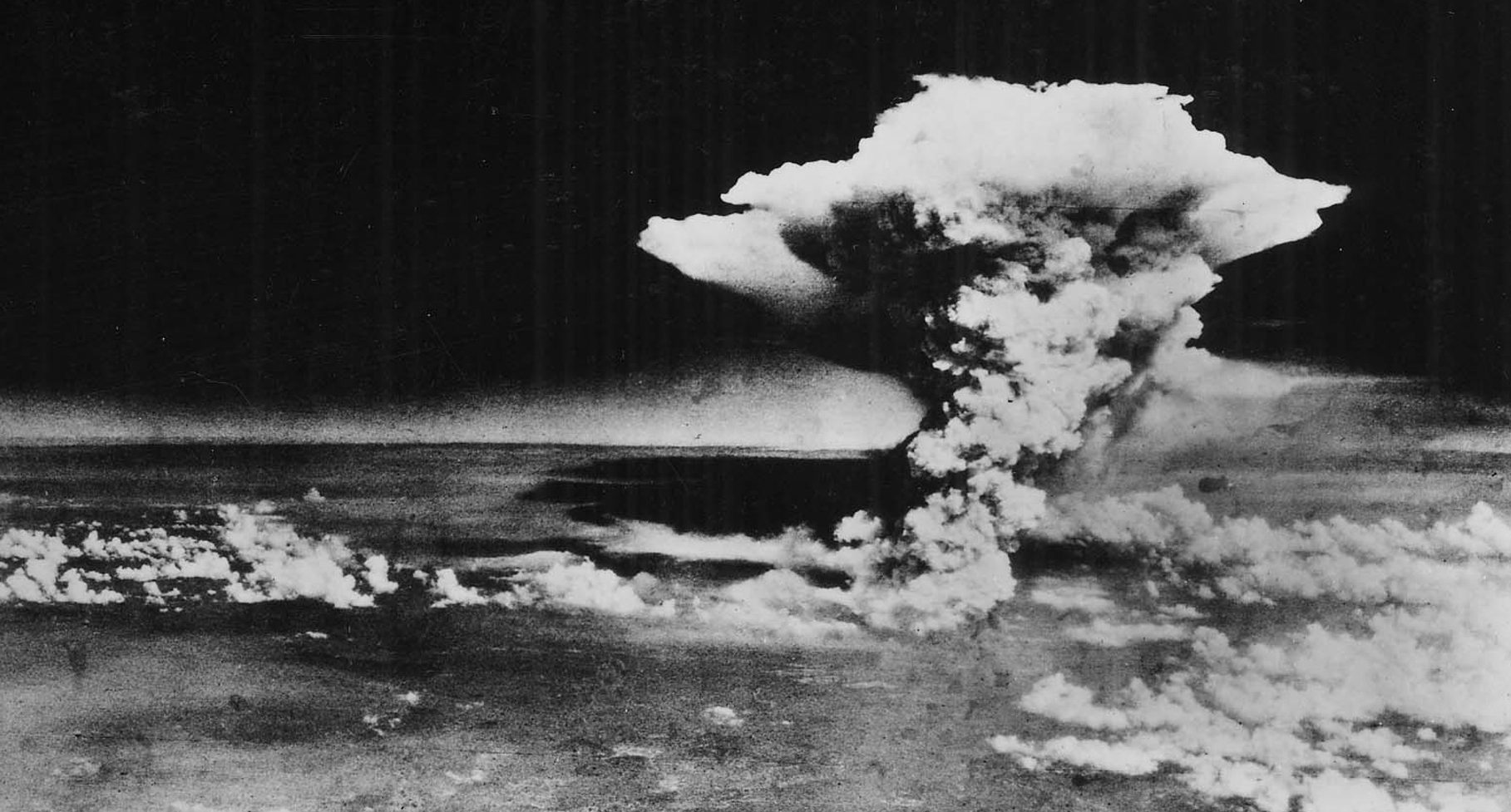
During the Cold War, the US and Russia had many powerful bombs.
The question is: Did those bombs actually keep them from fighting each other?
The answer is complicated.
People in charge had to make smart decisions like planning different ways to fight a war, using threats, and talking things out.
Sometimes, making deals with other countries was also important.
Now, as new countries are gaining nuclear weapons, leaders are trying to use these lessons for peace in a new era.

Atomic weapons' impact on peace is complex, not a simple deterrent.
US Cold War strategy involved various approaches like 'Flexible Response' and 'MAD'.
Carter initially sought nuclear disarmament but later pursued limited nuclear war strategies.
Reagan used both military build-up and diplomacy to manage the Cold War.
The New Nuclear Age sees rising tensions involving multiple nations and nuclear capabilities.
- Who
- US, USSR, China, and North Korea.
- What
- The effectiveness of nuclear weapons in maintaining peace during the Cold War and the challenges of the New Nuclear Age.
- When
- 80 years after Hiroshima and during the emerging New Nuclear Age.
- Where
- The US, USSR, and potentially Ukraine, China, and North Korea are key.
- Why
- Due to the complexity of nuclear strategy and rising global tensions.
- Key Agreement
- Intermediate-Range Nuclear Forces (INF) treaty
- US Presidential approach to deterrence
- Massive retaliation, New Look, Flexible Response, etc.
- President who sought disarmament
- Jimmy Carter
- President who employed 'stick and carrot'
- Ronald Reagan
- Reagan's Strategic Initiative
- Strategic Defense Initiative (SDI)