

Archive · 30 Jul 2025
Scientists Discover Potential 'Sixth Sense' in Gut
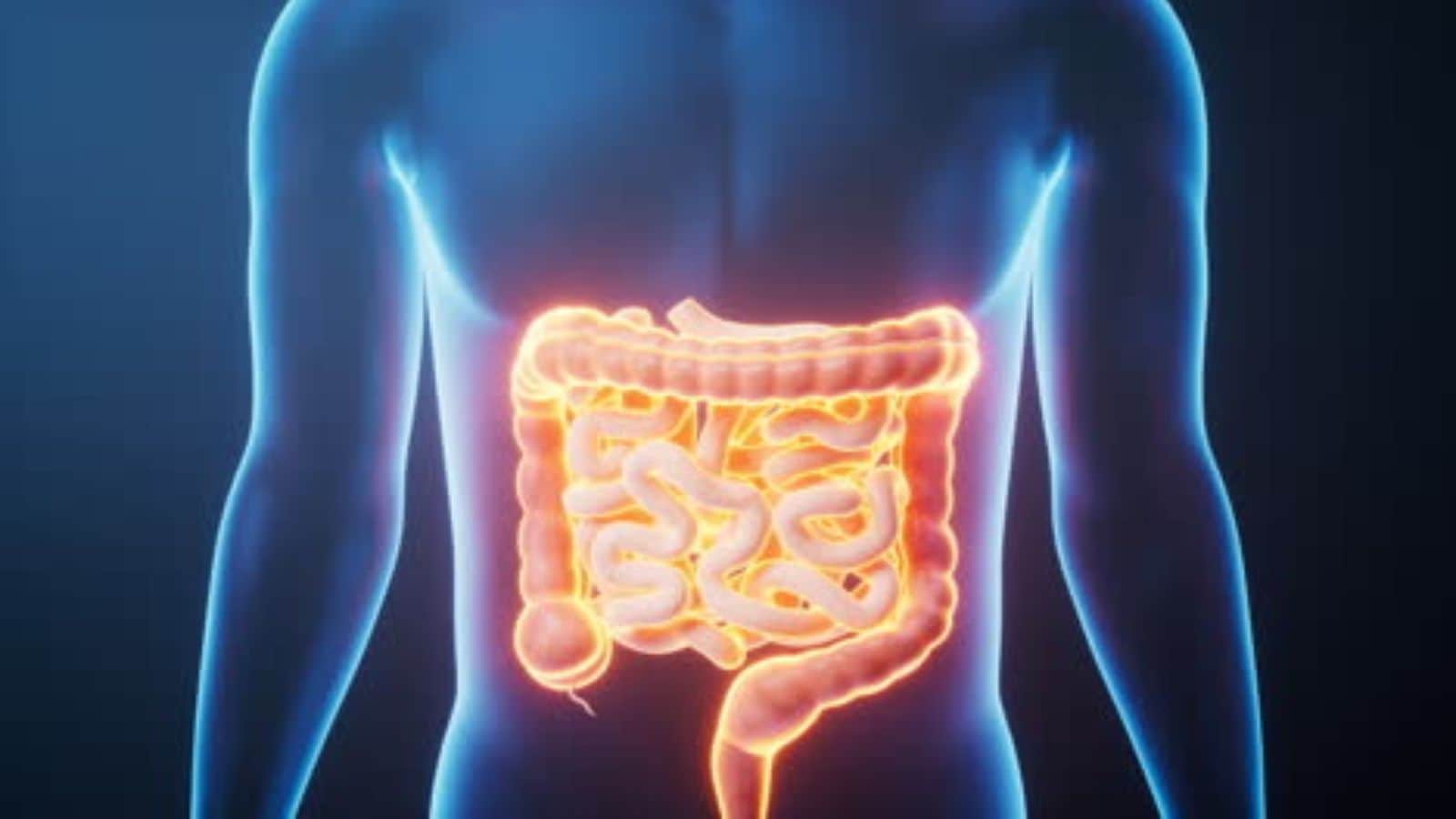
Imagine your gut is like a second brain that tells your main brain when you're full.
Scientists found special cells in the gut, called neuropods, that sense tiny things from bacteria, like a protein named flagellin.
When these cells find flagellin, they send a message to your brain through a long wire called the vagus nerve, telling it to stop eating.
This could help understand how to manage hunger and even help with problems like being overweight or feeling down, as the gut and brain seem to be more connected than we thought.

Scientists discovered a potential 'sixth sense' in the gut that may regulate appetite.
Neuropods in the gut detect flagellin, a protein from bacteria, which then signals the brain.
This signaling process occurs via the vagus nerve, the longest autonomic nerve.
Mice with a receptor for flagellin showed reduced appetite when exposed to it.
The research suggests that the gut-brain connection could be key in treating obesity, depression, and anxiety.
- Who
- Scientists at Duke University.
- What
- Scientists discovered a 'sixth sense' in the gut that regulates eating behavior.
- When
- The study was recently published.
- Where
- The research was conducted at Duke University.
- Why
- To understand the connection between gut health and behavior, particularly appetite and potential treatments for related conditions.
Potential Health Benefits
Ongoing Research
Health Impact
Potential Health Benefits
The gut-brain connection could offer new treatments for obesity, depression, and anxiety.
Ongoing Research
The study's implications are still preliminary, and require further research
- Key Discovery
- Potential 'sixth sense' in the gut.
- Mechanism
- Neuropods detect flagellin, signaling the brain.
- Signaling pathway
- Vagus nerve.
- Impact
- May influence appetite and behavior.
- Potential Applications
- Treatments for obesity, depression, and anxiety.
- Key Protein
- Flagellin.