

1 month ago
Sensory Design Creates Mindful Homes
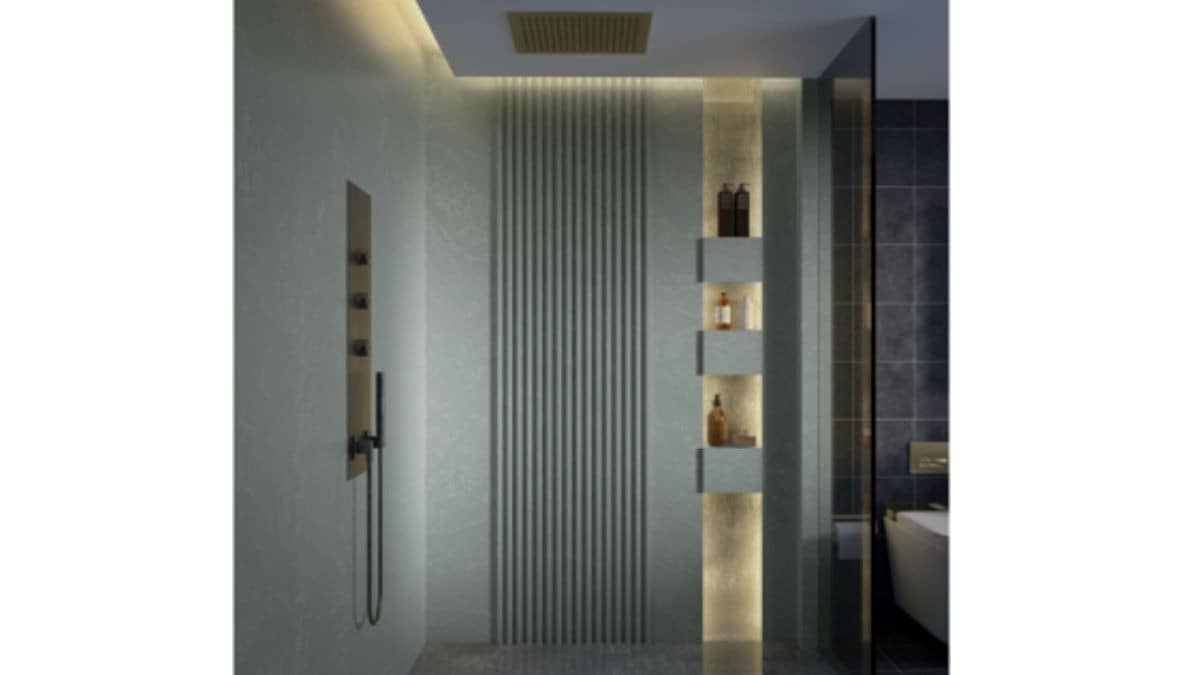
Imagine walking into your favorite café.
You remember how it felt just as much as how it looked.
That's the power of sensory design.
It's about creating spaces that engage all five senses—sight, sound, touch, smell, and taste—to make homes more comfortable and enjoyable.
For example, soft rugs and curtains make homes feel calmer, while warm lighting and earthy scents create a cozy living room.
Even the materials used in kitchens, like smooth quartz countertops, can make cooking feel more pleasant.
Sensory design is not just about looking good; it's about feeling good too.

Sensory design engages all five senses to create mindful and emotionally resonant spaces.
Visual elements like colour, light, and spatial perception influence emotional states and perception of space.
Materials like woven rugs, natural timber, and textured ceramics evoke tactile sensations and add depth to interiors.
Sound absorption through soft furnishings and acoustic panels creates calmer and more comfortable homes.
Fragrance is becoming an integral part of interior design, with homeowners curating signature scents for different spaces.
- Who
- Homeowners, architects, interior designers
- What
- Sensory design in home interiors
- Where
- New Delhi, India
- When
- July 20
- Why
- To create mindful homes that engage the senses and promote well-being
Aesthetic Focus
Sensory Design
Design Philosophy
Aesthetic Focus
Designing for aesthetics alone is sufficient for creating beautiful and functional spaces.
Sensory Design
Designing for aesthetics alone is insufficient; engaging all five senses is crucial for creating mindful and emotionally resonant spaces.
Impact on Well-being
Aesthetic Focus
Aesthetic design primarily impacts visual satisfaction and can still contribute to well-being by creating pleasing environments.
Sensory Design
Sensory design significantly impacts emotional and psychological well-being by engaging multiple senses, creating environments that promote comfort, focus, and relaxation.
Material Selection
Aesthetic Focus
Material selection should prioritize durability and visual appeal, with less emphasis on tactile and sensory qualities.
Sensory Design
Material selection should prioritize both visual and tactile qualities, as they evoke familiar physical sensations and contribute to the overall sensory experience.
Key facts
- Primary Focus
- Sensory design in architecture and interiors
- Key Elements
- Colour, light, spatial perception, sound, fragrance, taste
- Benefits
- Promotes comfort, focus, and emotional well-being
- Examples
- Children's playrooms, bedrooms, wellness spaces, hospitals, museums
- Material Trends
- Premium engineered quartz surfaces, handcrafted rugs, natural timber, textured ceramics
- Fragrance Trends
- Signature scents reflecting personalities and complementing different spaces
- Kitchen Design
- Bright, welcoming kitchens with durable, easy-to-maintain countertops
Sources
Related news

ASUS Expands TUF Gaming Laptops in India With New Models

ASUS TUF Gaming A14 Balances Portability and Performance

Coders drive GPU laptop demand in India's premium PC market

Duane Davis Convicted in Tupac Shakur Murder Case

New model maps Delhi’s traffic noise across urban landscape
