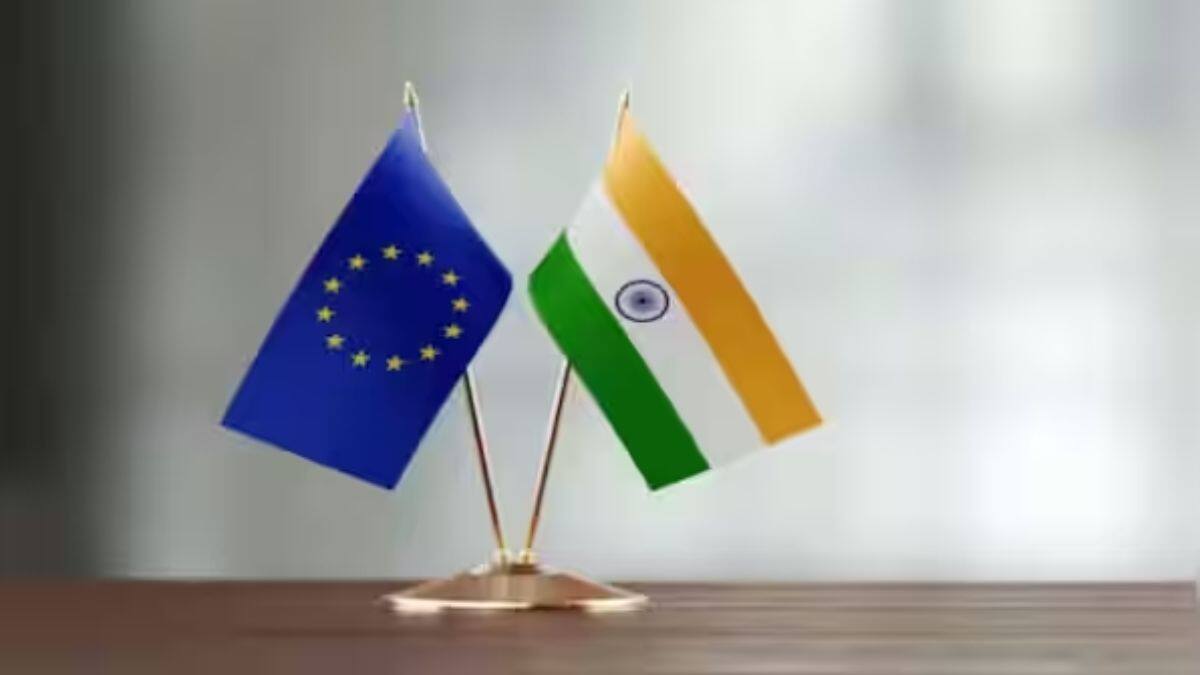
Archive · 23 Jan 2026
EU Suspends Tariff Preferences for India

The European Union (EU) has stopped giving special lower tariff rates to most Indian exports starting January 1, 2026.
This means Indian products will now have to pay higher import taxes when sent to the EU.
Before this change, India got a discount on these taxes, but now they have to pay the full amount.
This affects many important industries like textiles, chemicals, and machinery.
Only a small part of Indian exports, like some agricultural products and handicrafts, will still get the lower tax rates.
The EU made this change because India's exports in certain categories were too high for three years in a row.
This is bad news for Indian exporters because they will have to pay more, and it might make their products more expensive than those from other countries.
On top of this, the EU is also starting a new rule about carbon taxes, which will add more costs for Indian steel and aluminium exporters.
This double hit of higher taxes and new carbon rules is expected to make 2026 a very difficult year for Indian exports to Europe.

The EU suspended GSP benefits for 87% of Indian exports starting January 1, 2026, forcing exporters to pay full MFN tariffs.
GSP benefits previously provided a 20% reduction in tariffs for textiles, garments, and industrial goods.
Only less than 13% of Indian exports, including agriculture, leather goods, and handicrafts, will retain GSP benefits.
The EU's move follows its 'graduation' rules, which withdraw preferences when exports in a specific product group cross a certain threshold for three consecutive years.
The suspension of GSP benefits coincides with the start of the EU's Carbon Border Adjustment Mechanism (CBAM), adding further costs for Indian exporters, particularly in the steel and aluminium sectors.
- Who
- European Union and India
- What
- Suspension of Generalised Scheme of Preferences (GSP) benefits for 87% of Indian exports
- When
- January 1, 2026
- Where
- European Union
- Why
- EU's 'graduation' rules for exports crossing a certain threshold for three consecutive years
- Effective Date
- January 1, 2026
- Percentage of Exports Affected
- 87%
- Remaining GSP Benefits
- Less than 13% of exports (agriculture, leather goods, handicrafts)
- Average Tariff Reduction Under GSP
- 20% for textiles, garments, and industrial goods
- Impacted Sectors
- Minerals, chemicals, plastics, textiles, iron, steel, machinery, electrical goods
- Graduation Period
- 2026-2028
- CBAM Implementation
- January 1, 2026
- Expected Impact on Indian Exports
- One of the toughest years in over a decade
Sources
EU and India agree to proceed with security and defence partnership, Kallas says

India, EU Agree on Trilateral Framework for Global Development Cooperation in First JSC Meeting

'Powerful New Agenda': EU, India to Sign Defence and Security Partnership at EU-India Summit
Happy Republic Day 2026: Theme, Chief Guest & EU Leaders Explained

J&K woman officer to lead all-male CRPF unit on Republic Day: Who is Assistant Commandant Simran Bala?
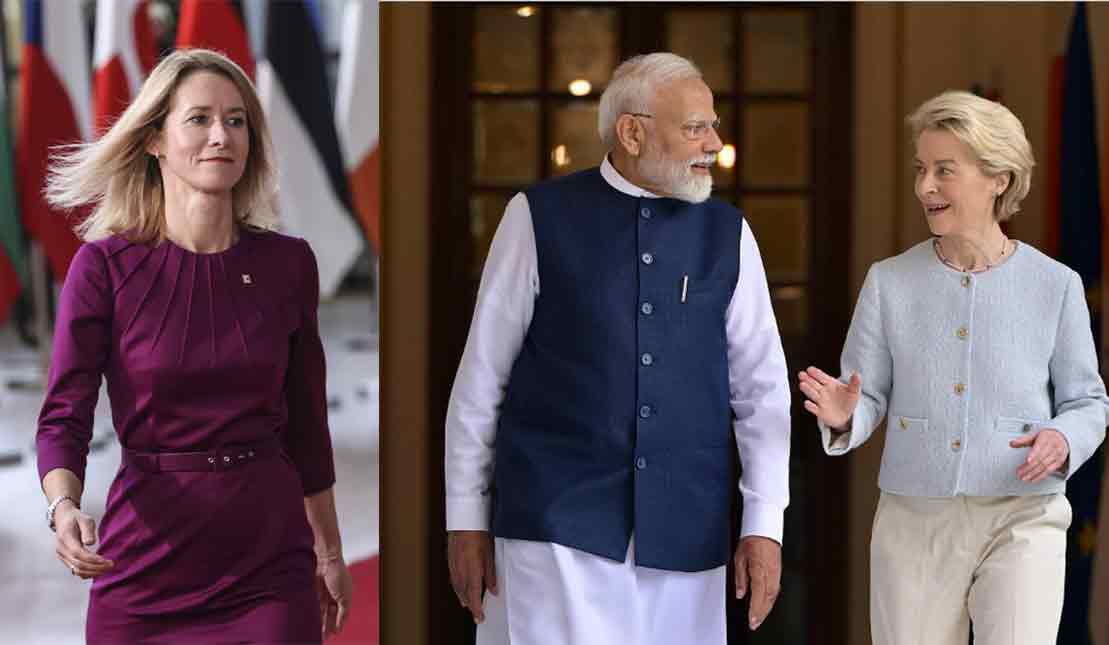
EU and India to sign Security and Defence Partnership

‘EU ready to deliver on powerful agenda with India’: EU Foreign Policy Chief Kaja Kallas

India is ‘indispensable’ to Europe’s economic resilience, says EU ahead of 16th Summit with New Delhi
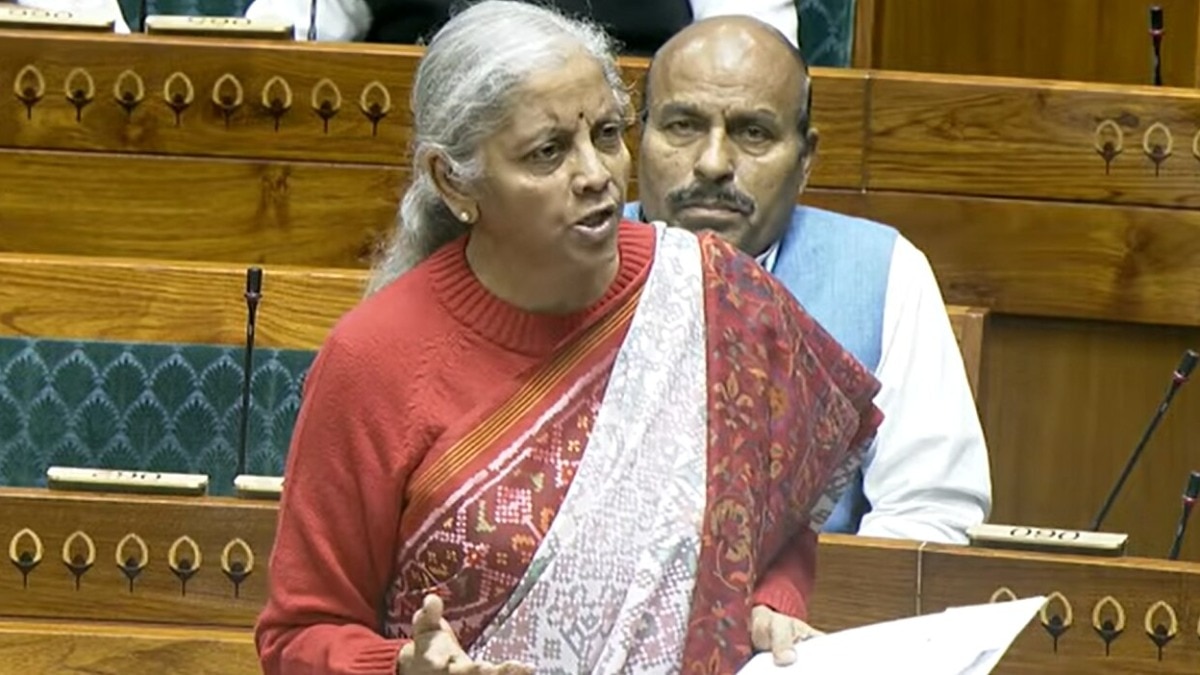
Union Budget 2026: Customs duty reforms high on the wish list
EU Pulls Tariff Preferences On 87 pc Of Indian Exports Ahead Of FTA

EU pulls tariff preferences on 87% of Indian exports ahead of FTA
India-EU Pact An Opportunity For ‘Great Powers’: German Chancellor

Era of great powers favours India-EU free trade deal: German chancellor

Republic Day 2026: Theme, chief guests, and everything new to expect this year

European Union suspends GSP benefits, India’s exports to face higher tariffs

Solid India-EU ties will stabilise global order through stronger trade: Jaishankar
From tariff cuts to market access: How FTAs are powering India’s global consumer expansion

European Union suspends GSP export benefits; India says no impact on shipments