7 hrs ago
Rupee Falls to 94.84 Against Dollar Amid Middle East Tensions
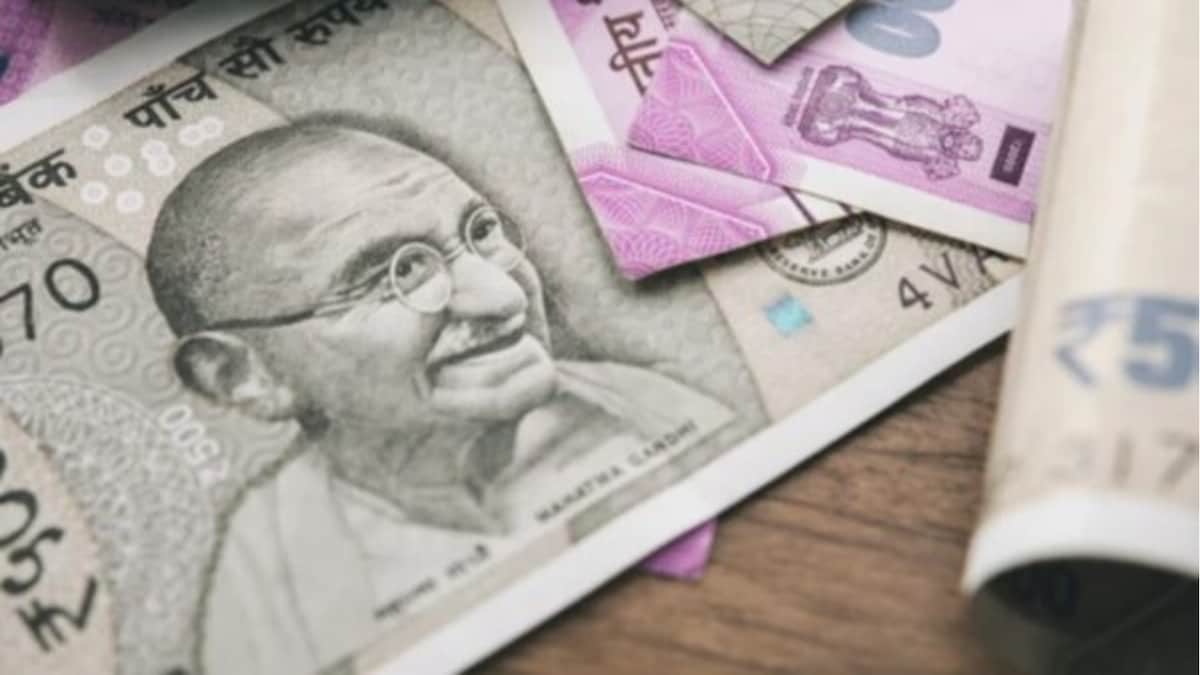
The Indian rupee became weaker against the US dollar on Tuesday.
It closed at 94.84 rupees for one dollar.
The rupee lost 28 paise compared with the previous day.
Oil prices rose to nearly $99 per barrel.
This happened as fighting and tensions increased in West Asia.
Attacks on Saudi Aramco facilities also worried investors.
Indian stock markets fell, adding to the pressure on the rupee.
A weaker US dollar and foreign investment could still help the rupee.
Analysts expect the exchange rate to move between 94.60 and 95.10 in the near term.

The rupee fell 28 paise to close at 94.84 against the US dollar on Tuesday.
Rising Brent crude prices, nearing $99 per barrel, pressured the Indian currency.
Fresh attacks on Saudi Aramco facilities and broader West Asia tensions weakened investor sentiment.
Indian equities declined, with the Sensex falling 555.23 points and the Nifty dropping 144.05 points.
Analysts expect the rupee to maintain a slight negative bias, though a weaker dollar and foreign inflows could provide support.
- Who
- The Indian rupee, US dollar, forex traders, and investors were involved in the market movement.
- What
- The rupee fell 28 paise to close at 94.84 against the US dollar.
- Where
- At the interbank foreign exchange market in India.
- When
- Tuesday; the rupee had closed at 94.56 on Monday.
- Why
- Higher crude oil prices, West Asia geopolitical tensions, fresh attacks on Aramco facilities, and weaker domestic equities pressured the rupee.
Key facts
- Closing exchange rate
- 94.84 rupees per US dollar, provisional
- Daily change
- Down 28 paise
- Brent crude
- Up 1.39% at $98.35 per barrel in futures trade
- Dollar index
- 98.96, down 0.21%
- Sensex close
- 75,577.58, down 555.23 points
- Nifty close
- 23,635.10, down 144.05 points
- Expected USDINR range
- 94.60 to 95.10
Quotes
Anuj Choudhary
Research Analyst at Mirae Asset Sharekhan
“We expect the rupee to trade with a slight negative bias on escalation of tensions in the Middle East and worries over rising crude oil prices. Risk aversion in global markets may also pressurise the rupee.”
 CNBC TV 18
Sources
Related news

Indian Rupee Slips as Crude Nears $97 Amid Tensions

Rupee falls against US dollar as crude prices surge

Rupee Falls 7 Paise to 95.40 Against US Dollar
Rupee Trading Reports Diverge as Oil and Tensions Weigh
Rupee Slips Against Dollar Amid Oil and Tension
Rupee Falls to 95.56 as Crude Prices and Dollar Rise

Yen Hits Seven-Month High as Dollar Waits for CPI

Rupee Falls Seven Paise Against US Dollar Amid Headwinds

Corporate Dollar Deposits Hit Record as Korean Won Strengthens

Rupee Jumps 67 Paise as Dollar Inflows Boost Sentiment