

Archive · 3 Oct 2026
Writer Rejects Claims That Bare Nails Signal White Supremacy
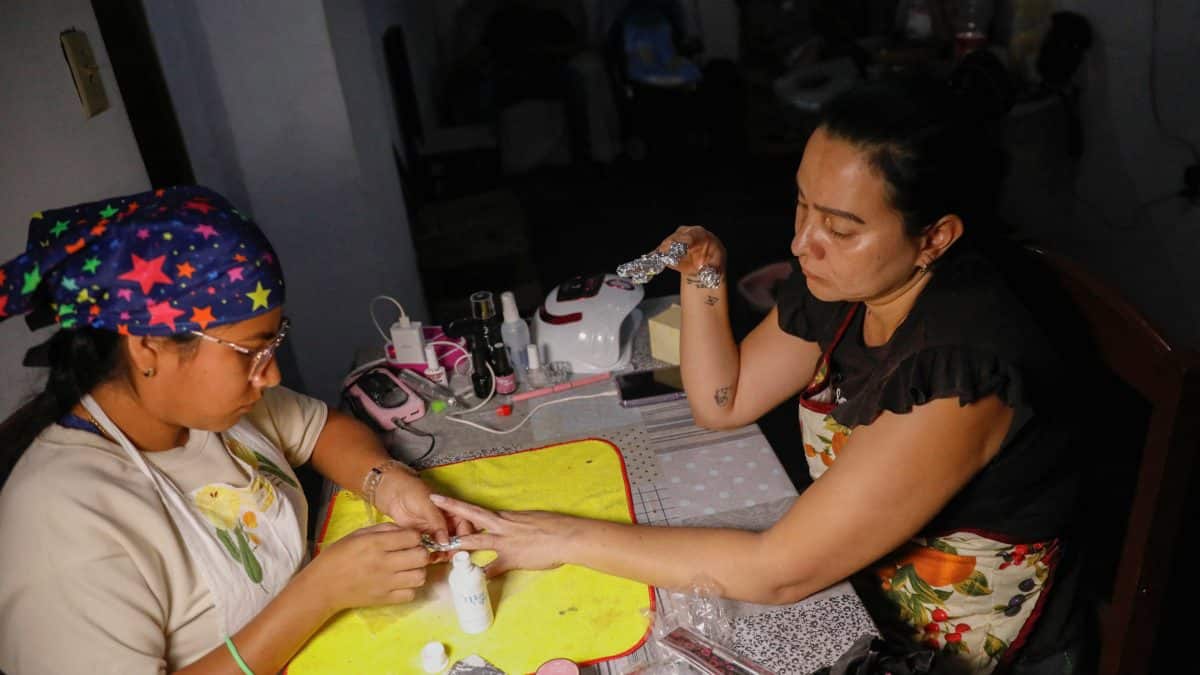
A writer read a BBC story about people choosing to leave their nails unpainted.
The story suggested that the trend might be connected to race and class.
The writer disagrees and says her bare nails do not make her less Indian.
She explains that she stopped painting her nails for practical reasons, including school rules and working with keyboards and pottery.
She also says people have painted their nails in different places and times throughout history.
The writer thinks nail choices should not automatically be treated as statements about race or class.
The BBC article mentioned in her piece has since been removed.

The author challenges a BBC article, since removed, that connected the bare-nails trend with class and race.
The article quoted a New York-based beauty journalist who argued that promoting natural nails could erase Black and brown culture and identity.
The author says her own unpainted nails reflect personal preference and practicality, not a rejection of her Indian identity.
She cites changing personal habits, school rules, typing, and pottery as reasons she stopped painting or growing her fingernails.
The author also points to historical examples of nail coloring among royalty and soldiers to argue that painted nails are not tied to one class or gender.
- Who
- A freelance writer, responding to a BBC article that quoted a New York-based beauty journalist.
- What
- The writer argues that unpainted nails do not inherently signal white supremacy, racism, or class identity.
- When
- The piece refers to a BBC story published the previous weekend; its publication date is not stated.
- Where
- The debate concerns a BBC website article; the writer draws on personal experiences in the United States and India.
- Why
- The writer objects to interpreting a personal grooming choice as a marker of race, culture, or class.
Bare Nails as Cultural Statement
Bare Nails as Personal Preference
Race and identity
Bare Nails as Cultural Statement
The beauty journalist quoted by the BBC article argued that promoting natural nails could erase culture and identity important to Black and brown communities.
Bare Nails as Personal Preference
The author argues that unpainted nails do not inherently deny or diminish a person's racial or cultural identity.
Class and beauty standards
Bare Nails as Cultural Statement
The BBC article examined whether the bare-nails trend had become a class issue, and the quoted journalist characterized ideals of taste and elegance as linked to white-supremacist beauty standards.
Bare Nails as Personal Preference
The author rejects treating minimalism or unpainted nails as inherently racist or classist, and says nail choices can have practical or personal explanations.
- BBC story headline
- “How the bare nails trend became a class issue”
- Article status
- The writer says the BBC article has since been removed.
- Quoted perspective
- A New York City-based beauty journalist said the trend promoted erasure of culture and identity important to Black and brown communities.
- Author's position
- The author says her bare nails are not a negation of her Indianness.
- Historical examples cited
- The author refers to nail coloring in ancient Egypt, China, and Babylon.
- Author's practical reasons
- She mentions school rules, pottery, dirt under nails, and difficulty typing with long nails.