

Archive · 12 Jan 2026
India's Indigenous Dengue Vaccine in Trials
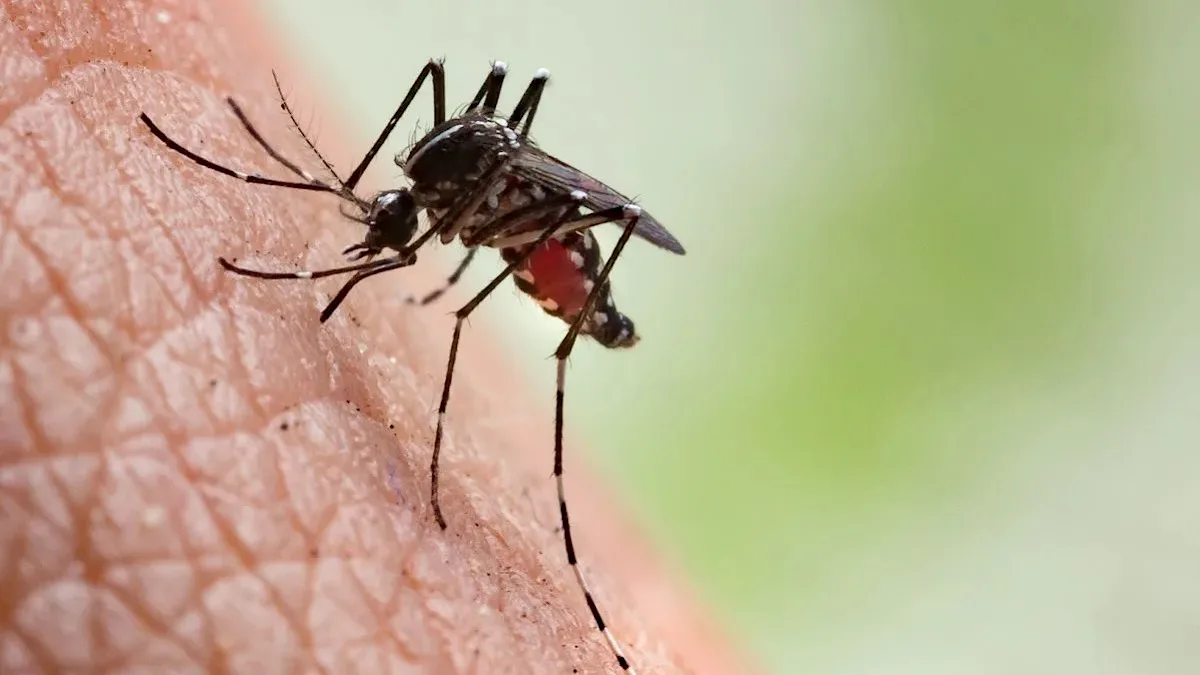
India is testing a new vaccine called DengiAll to prevent dengue fever.
This vaccine is special because it's a single shot that works against all four types of dengue virus.
Unlike other vaccines, it's designed to work in real-world conditions, which is important because dengue is a tricky disease.
The vaccine aims to protect people from all strains of the virus at once.
This is a big deal because past vaccines have only worked against one strain, and getting infected with one strain can sometimes make you more vulnerable to others.
The vaccine is being tested in Delhi, and if it works, it could help India and other countries prevent dengue outbreaks instead of just treating them.
However, there are still challenges, like making sure the vaccine is safe and effective for everyone, and dealing with the changing patterns of mosquito-borne diseases due to climate change.

India is testing DengiAll, an indigenous single-shot tetravalent dengue vaccine, in advanced trials in Delhi.
The vaccine is designed to provide balanced protection against all four dengue serotypes, addressing the complexity of the disease.
A single-dose approach is emphasized for practicality, considering India's uneven healthcare access.
The success of the vaccine could shift India's approach from managing outbreaks to preventing them, altering public health strategies.
Challenges include restoring public trust, validating the vaccine's effectiveness in real-world conditions, and addressing the broader context of climate change.
- Who
- India's scientific community and healthcare system
- What
- Development and trials of DengiAll, an indigenous single-shot dengue vaccine
- When
- Currently in advanced trials
- Where
- Delhi, India
- Why
- To shift from managing dengue outbreaks to preventing them, and to restore public confidence in dengue vaccines
- Vaccine Name
- DengiAll
- Vaccine Type
- Single-shot, tetravalent
- Current Stage
- Advanced trials in Delhi
- Key Feature
- Designed for real-world conditions
- Challenges
- Public trust, climate change, mosquito ecology
- Potential Impact
- Shift from outbreak management to prevention