Archive · 22 Dec 2025
Ursid Meteor Shower: Peak Viewing in 2025
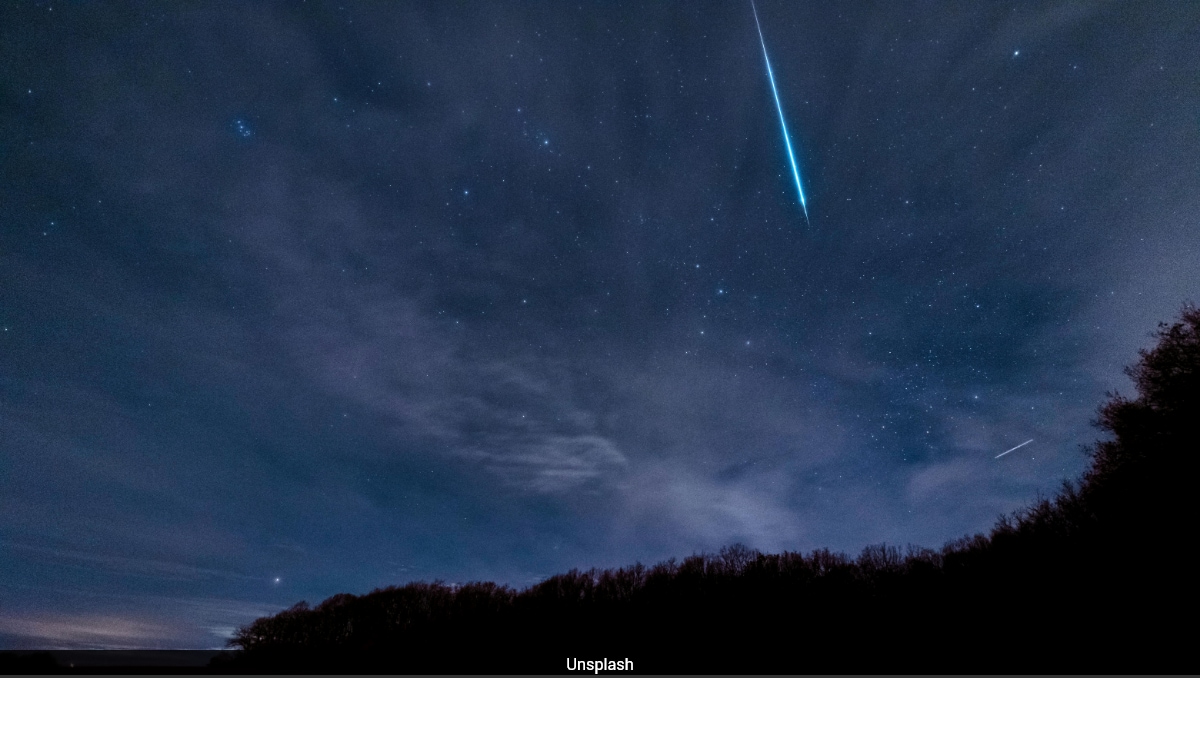
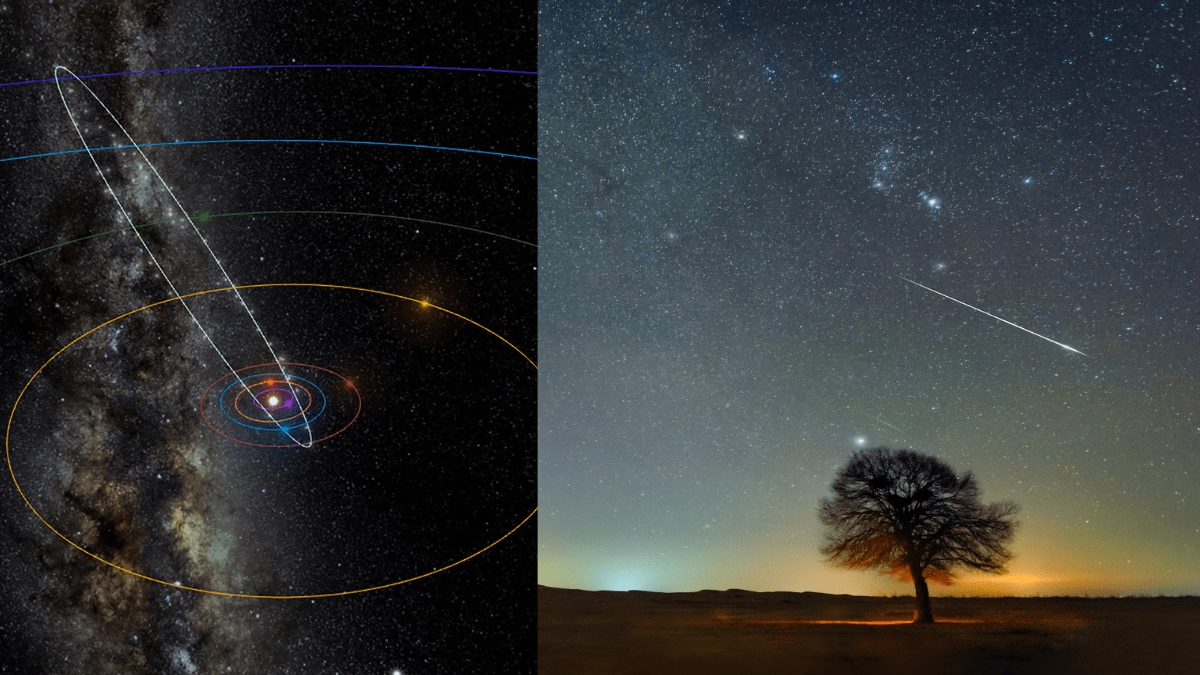
The Ursid meteor shower is a yearly event where small pieces of a comet, called Comet 8P/Tuttle, enter Earth's atmosphere and burn up, creating streaks of light in the sky.
This happens from December 17 to December 26, 2025, with the best time to watch being the late evening of December 21 and the early hours of December 22.
During this time, you might see 5-10 meteors per hour if you're in a place with dark skies and little light pollution.
The meteors appear to come from the direction of the Little Dipper constellation.
This year, the moon will be almost new, so it won't be very bright and won't interfere much with seeing the meteors.
To watch, find a spot far from city lights, let your eyes adjust to the dark for about 20-30 minutes, and look towards the northern sky.
You don't need any special equipment like telescopes or binoculars.
In places like India, it might be a bit harder to see the meteors, but if the sky is clear and you're in a rural area, you still have a good chance of spotting some shooting stars.

The Ursid meteor shower is active from December 17 to December 26, 2025, with a peak on December 21-22.
The shower is caused by Earth passing through debris from Comet 8P/Tuttle.
Under dark skies, observers can expect to see 5-10 meteors per hour at peak.
A near-new moon phase enhances visibility by minimizing moonlight interference.
Best viewing is from late evening through dawn, especially before sunrise, in dark, open locations away from city lights.
- Who
- Stargazers in the Northern Hemisphere, particularly in rural areas
- What
- Ursid meteor shower, an annual celestial event
- When
- Peak on December 21-22, 2025, active from December 17 to 26, 2025
- Where
- Best viewed in the Northern Hemisphere, particularly in dark, open locations away from city lights
- Why
- Earth passing through cosmic debris left by Comet 8P/Tuttle
- Shower Duration
- December 17 to December 26, 2025
- Peak Time
- Late evening of December 21 to early hours of December 22, 2025
- Meteor Rate
- 5-10 meteors per hour at peak
- Best Viewing Conditions
- Dark skies, minimal moonlight, away from city lights
- Optimal Viewing Time
- Late evening through dawn, especially before sunrise
- Visibility in India
- Challenging but possible in rural areas with clear skies
- Recommended Equipment
- None; naked eye observation is sufficient
- Radiant Point
- Constellation Ursa Minor (Little Dipper)