

Archive · 7 Oct 2026
Rohit Dasgupta Recreates Kolkata’s Durga Puja Spirit in London
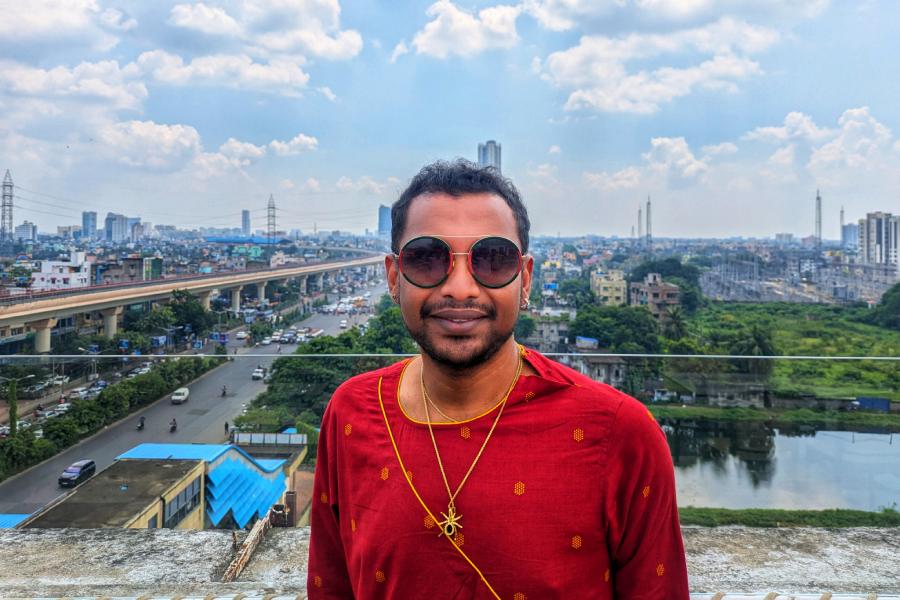
Rohit Dasgupta grew up celebrating Durga Puja in Kolkata.
He now lives in London and helps serve as a councillor in Newham.
He still misses celebrating the festival in Kolkata.
In London, he visits several Puja gatherings over the festival days.
He also cooks Bengali food, especially fish, for friends and family.
On Mahalaya, he plays a traditional radio programme that reminds him of home.
He says these customs help London feel a little more like Kolkata.
The part he misses most is how the whole city celebrates together.

Newham councillor and professor Rohit Dasgupta says community, rituals, food and Kolkata shape his experience of Durga Puja.
He left Kolkata in 2009 and attends several Puja celebrations across London each year.
His London festive meals include fish, chholar dal, chicken and shutki, shared with friends and family.
On Mahalaya, he plays Birendra Krishna Bhadra’s Mahishasuramardini at home, a ritual he remembers from childhood.
Dasgupta says he would bring Kolkata’s diverse, city-wide sense of community to London if he could.
- Who
- Rohit Dasgupta, a Newham councillor and professor.
- What
- He recreates Durga Puja traditions in London while missing Kolkata’s celebrations.
- When
- During Durga Puja; he observes the Mahalaya ritual as well.
- Where
- London, including Pujas in Ealing, Mile End and Hampstead; his childhood celebrations were in Kolkata.
- Why
- The rituals, food and community help him maintain a connection to Kolkata and its Puja traditions.
- Person
- Rohit Dasgupta, councillor in Newham and professor
- Moved from Kolkata
- 2009
- London Puja locations named
- Ealing, Mile End and Hampstead
- London celebrations attended
- He tries to visit at least four or five Pujas over four or five days.
- Mahalaya tradition
- He plays Birendra Krishna Bhadra’s Mahishasuramardini at home.
- Festive foods mentioned
- Ilish, boal, katla, rui, chholar dal, chicken and shutki
- What he misses most
- Kolkata’s diversity, syncretism and city-wide sense of community