Archive · 21 Jan 2026
ISRO Faces Satellite Replacement Delays

India's space agency, ISRO, has had three satellite missions fail in the last year.
These satellites were important for the country's security.
It will take ISRO 2-3 years to build and launch new ones to replace them.
Many parts for these satellites are made in other countries, which can cause delays.
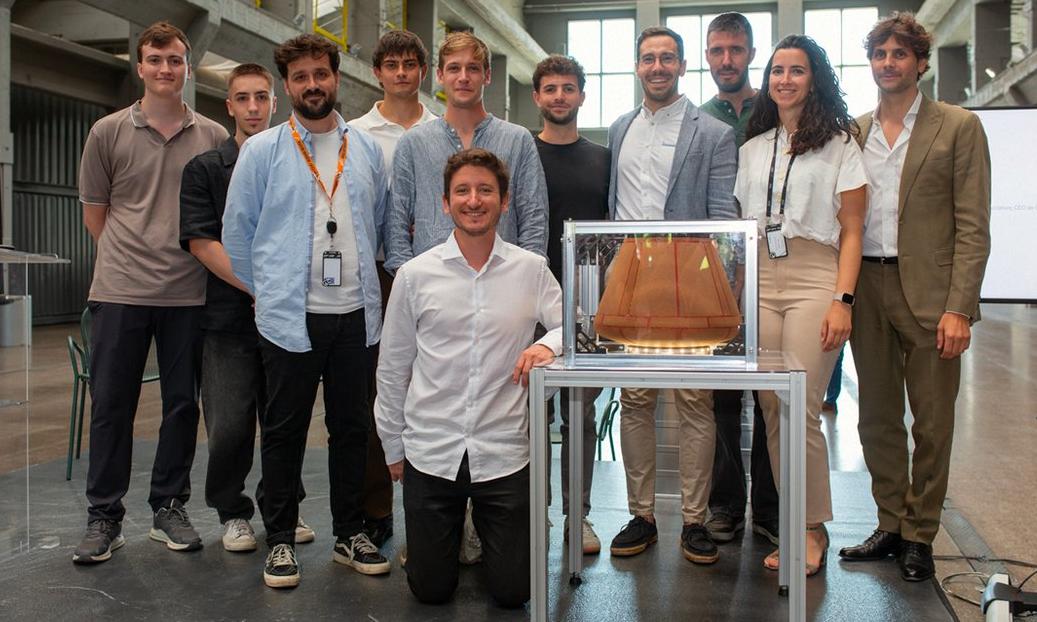
Meanwhile, a Spanish start-up called Orbital Paradigm had a small capsule called KID that survived a failed mission.
The KID capsule was built quickly and cheaply, and it worked even better than expected.
This shows that small teams can make important space technology without spending a lot of money.
The success of the KID capsule could help with future space missions and offer new solutions for replacing lost satellites.

ISRO lost three strategic satellites in the last 12 months due to mission failures, causing significant financial losses and lost opportunities for India.
Replacing the lost satellites will take 2-3 years due to complex assembly and testing processes, and ISRO's limited annual launches (6-8).
Orbital Paradigm's KID re-entry capsule survived the failed PSLV-C62 mission, delivering valuable in-flight data and validating key technologies for future spacecraft.
The KID capsule was built in just one year by fewer than 10 engineers on a budget of under €1 million, demonstrating that high-performance space hardware can be developed quickly and cost-effectively.
The success of the KID capsule could offer alternative solutions for future missions and potentially accelerate the development of new spaceflight technologies.
- Who
- Indian Space Research Organization (ISRO) and Spanish start-up Orbital Paradigm
- What
- ISRO lost three strategic satellites in the last 12 months, while Orbital Paradigm's KID re-entry capsule survived a failed mission and delivered valuable data.
- When
- Between January 2025 and January 2026
- Where
- India and Nellore (Spain)
- Why
- To replace lost satellites, maintain national security capabilities, and validate new spaceflight technologies.
ISRO's Challenges
Orbital Paradigm's Success
Mission Failures
ISRO's Challenges
ISRO lost three strategic satellites in the last 12 months due to mission failures, causing significant financial losses and lost opportunities for India.
Orbital Paradigm's Success
Despite the failed PSLV-C62 mission, Orbital Paradigm's KID re-entry capsule survived and delivered valuable in-flight data, validating key technologies for future spacecraft.
Replacement Timeline
ISRO's Challenges
Replacing the lost satellites will take 2-3 years due to complex assembly and testing processes, and ISRO's limited annual launches (6-8).
Orbital Paradigm's Success
Orbital Paradigm's success demonstrates that high-performance space hardware can be developed quickly and cost-effectively, potentially offering alternative solutions for future missions.
Technological Advancements
ISRO's Challenges
ISRO faces challenges with imported parts and supply chain issues, which can cause delays in satellite replacement.
Orbital Paradigm's Success
Orbital Paradigm's KID capsule successfully validated a new reusable ceramic thermal protection system and demonstrated exceptional structural performance, paving the way for future re-entry and recovery missions.
- Failed Missions
- GSLV-F15/NVS-02, PSLV-C61/EOS-09, PSLV-C62/EOS-N1
- Time to Replace Satellites
- 2-3 years
- Imported Satellite Parts
- 50-55%
- Imported Rocket Parts
- 10%
- ISRO Launches per Year
- 6-8
- KID Capsule Development Time
- 1 year
- KID Capsule Budget
- Under €1 million
- KID Capsule Team Size
- Fewer than 10 engineers