Archive · 26 May 2025
COVID-19 Variants Rise in India: NB.1.8.1, LF.7, and JN.1

COVID-19 cases are increasing in India again, with new versions of the virus spreading.
Two variants, NB.1.8.1 and LF.7, are being watched closely.
They seem to spread easier but don't make most people very sick.
Symptoms are similar to a cold or the flu.
Health experts say there's no need to panic, but it's important to be careful.
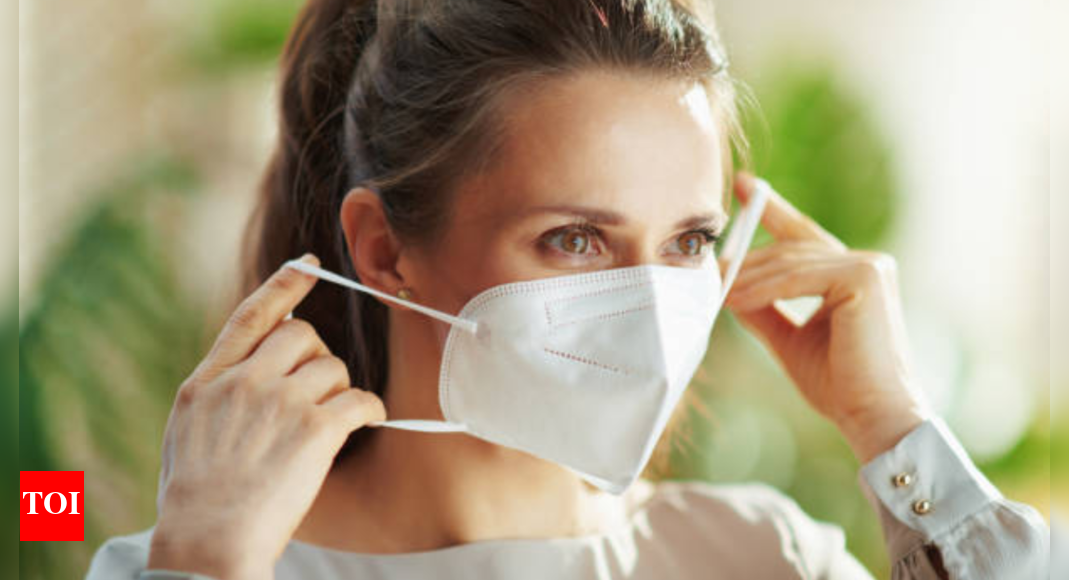
People are advised to wash hands, wear masks, and get vaccines and boosters.
Hospitals are ready, and officials are tracking the situation closely.
Strong immunity from healthy habits helps the body fight off the virus too.

India is experiencing a rise in COVID-19 cases, with new variants like NB.1.8.1 and LF.7 emerging.
NB.1.8.1 was first detected in Tamil Nadu; LF.7 in Gujarat.
These variants are classified as Variants Under Monitoring (VUMs) by the WHO.
Symptoms are generally mild, similar to the common cold or flu.
Health authorities recommend vaccinations, boosters, and basic hygiene practices.
- Who
- Public health officials, government agencies, and medical professionals; the public is urged to stay informed and take precautions.
- What
- Increase in COVID-19 cases due to new variants in India, including NB.1.8.1 and LF.7, and the JN.1 variant's emergence.
- When
- Recent surge in cases, with NB.1.8.1 detected in April 2025, and LF.7 in May 2025.
- Where
- Primarily India, with active cases in Kerala, Tamil Nadu, Maharashtra, Karnataka, Delhi, and other states; the JN.1 variant is a global concern.
- Why
- New variants may have higher transmissibility but generally cause mild illness; government emphasizes monitoring and precautions.
- New Variants
- NB.1.8.1 and LF.7
- Variant Origins
- Detected in Tamil Nadu (NB.1.8.1) and Gujarat (LF.7) in 2025
- Severity
- Mild symptoms similar to cold or flu
- Variant Status
- Under Monitoring (VUMs) by WHO
- Preventative Measures
- Vaccination and boosters are encouraged
- Global Context
- The JN.1 variant has emerged
Sources
Beneath the silence, COVID persists: Are you prepared?

India sees surge in Covid 19 cases with new variants NB.1.8.1 and LF.7; Here's how to keep anxiety at bay

Covid-19 is now endemic, like flu: Expert
Is the JN.1 COVID-19 variant more dangerous than we think?