

Archive · 7 Jan 2026
India's car-first cities should prioritize walking to tackle smog
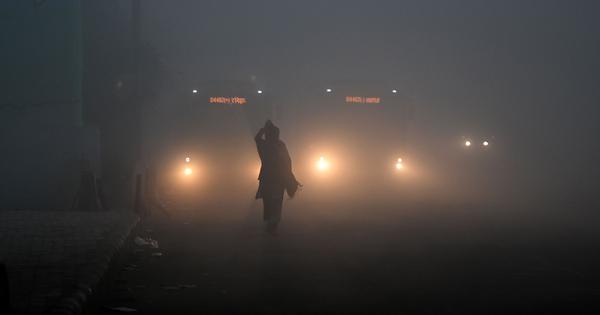
Every winter, many Indian cities like Delhi get covered in smog.
People blame things like stubble burning and car exhaust.
But one simple solution is to make cities easier to walk around in.
Most Indians already walk a lot, especially those who can't afford cars or public transport.
However, walking is dangerous because there are no good sidewalks.
People end up using more cars, which makes the air even dirtier.
If cities had better sidewalks and safe places to cross the street, fewer people would need to drive.
This would mean cleaner air, less traffic, and safer streets for everyone.
Right now, cities are built for cars, not people.
To fix this, cities need to make walking safe and easy, and put everyday needs like shops and schools close together so people don't have to drive as much.

Up to 60% of daily urban trips in India are made on foot, especially by low-income households.
In 2023, 35,221 pedestrians were killed on Indian roads, accounting for 20.4% of all road fatalities.
Poor infrastructure forces pedestrians into traffic, making walking dangerous and unpleasant.
Improving walkability can reduce private motorised trips by 9%-29%, leading to cleaner air and lower emissions.
Cities prioritize car-oriented infrastructure, worsening congestion and air pollution, while ignoring pedestrian needs.
- Who
- Indian cities, particularly Delhi, and their residents
- What
- The need to prioritize walkable infrastructure to reduce smog and improve safety
- When
- Every winter, with a focus on ongoing urban planning and development
- Where
- Urban and semi-urban areas across India
- Why
- To tackle air pollution, reduce vehicle emissions, and improve public health and safety
- Pedestrian Deaths (2023)
- 35,221 (20.4% of all road fatalities)
- Pedestrian Deaths (2019-2023)
- 1.5 lakh (about one in every five road deaths)
- Percentage of Urban Trips on Foot
- Up to 60%
- Potential Reduction in Private Motorised Trips
- 9%-29% with improved walkability
- Key Infrastructure Needs
- Continuous footpaths, safe crossings, proper lighting, traffic calming, guaranteed public transport access