9 months ago
India's Fintech Evolution: Beyond Payments to AI-Driven Growth
Imagine how easy it is to pay for things with your phone now!
India's money apps, called fintech, used to be all about making payments simple.
But now, they're growing up and becoming more than just payment tools.
They're also getting better at lending money, offering insurance, and helping people invest.
Companies are using smart computer programs, like AI, to help them work better and offer new services.
Some companies are even building special computer brains called AI stacks to understand money better.
The future of money apps in India is about being strong, trustworthy, and lasting for a long time, not just about being the fastest.
Investors are looking at how well these companies are managed and if they can make real money over time, not just how popular they are right now.
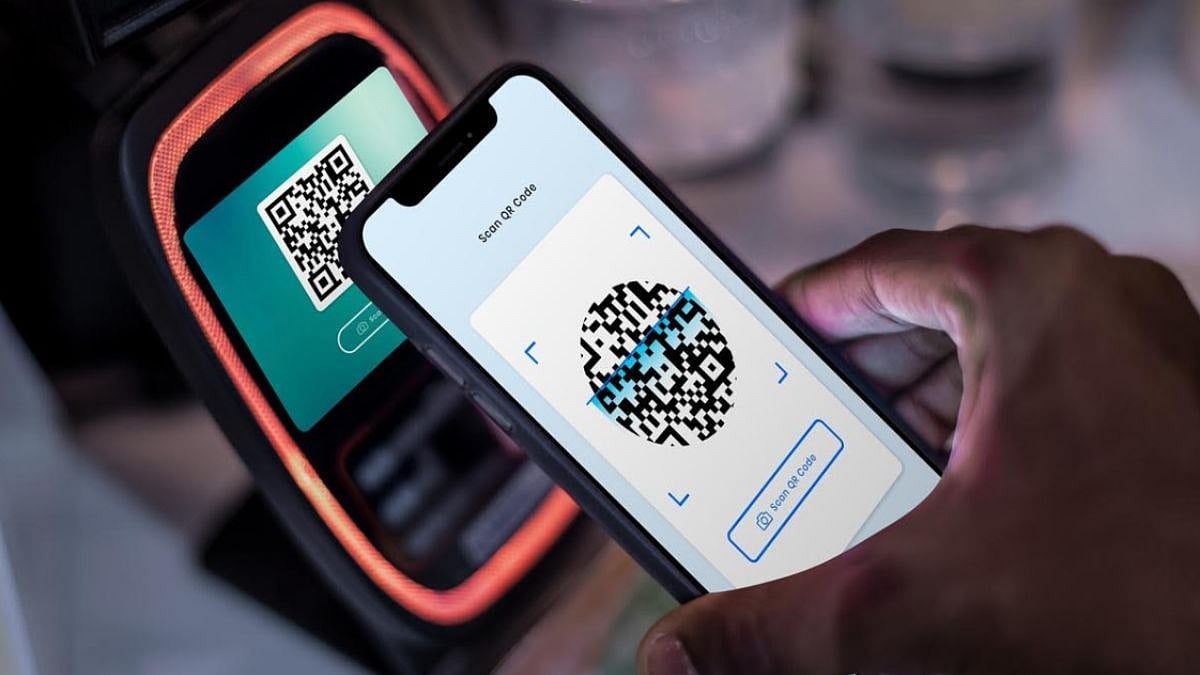
It's a big change from just scanning QR codes to building a whole new way of managing money.

India's fintech sector is evolving beyond payments, focusing on resilience, governance, and long-term sustainability.
Key companies like Paytm, Policybazaar, Bajaj Finance, and Infibeam Avenues are embracing AI and digital transformation for growth in lending, insurance, and payments.
The Indian fintech market is projected to reach $990 billion by 2032, driven by digital banking, UPI, and AI-powered solutions.
Valuations for new-age fintech firms are high, trading above industry medians, indicating investor confidence in technology-led platforms.
Future fintech growth will be anchored in expanding financial services, cost efficiency, scalable technology, and data-driven insights, moving towards embedded finance.
- Who
- Key Indian fintech companies including One 97 Communications (Paytm), PB Fintech (Policybazaar), Bajaj Finance, and Infibeam Avenues, along with investors.
- What
- Analyzing the evolution of India's fintech sector from payment-centric models to AI-driven, sustainable financial ecosystems, and evaluating key companies and their valuations.
- Where
- India's fintech market, with some international mentions for specific companies (e.g., UAE for PB Fintech, Saudi Arabia/Oman for Infibeam).
- When
- The article discusses recent performance (September 2025 quarter, Q2 FY26) and future projections (by 2032, February 2026) for these companies and the market.
- Why
- To highlight how the Indian fintech landscape is shifting towards resilience, governance, and long-term sustainability, driven by AI and embedded finance, moving beyond its initial focus on payments.
New-Age Fintechs
Traditional Lenders
Valuation
New-Age Fintechs
New-age fintech players are trading well above their industry medians, reflecting a premium for technology-led platforms and AI-driven services.
Traditional Lenders
Traditional lenders generally exhibit moderate valuation levels.
Growth Drivers
New-Age Fintechs
Driven by rapid digital adoption, policy support for financial inclusion, and the scalability of AI-driven services.
Traditional Lenders
Established business models with less reliance on emerging technologies for primary growth.
Key facts
- Fintech Market Size (Projected)
- $990 billion by 2032 (India)
- Key Fintech Drivers
- Digital banking, UPI, AI-driven financial solutions
- Focus Shift in Fintech
- From innovation/scale to resilience, governance, and sustainability
- Investment Metric for Investors
- Profitability, asset quality, governance, and scalability
- Key Companies Discussed
- One 97 Communications (Paytm), PB Fintech (Policybazaar/Paisabazaar), Bajaj Finance, Infibeam Avenues
- Emerging Technology Integration
- AI, digital partnerships, embedded finance
Quotes
Management
One 97 Communications Management
“future growth will be anchored around expanding financial-services penetration, cost efficiency, and scalable technology across lending, payments, and AI infrastructure.”
 financialexpress.com
“expects these steps to lower costs and improve efficiency in the coming year, moving Bajaj Finance closer to becoming a data-driven fintech company.”
financialexpress.com
Sources
Related news

New-Age Indian Stocks Rally, But Analysts See Uneven Upside
Internet Stocks Rally as MSCI Rejig Boosts IPO Activity
Chennai Metro Reports 1.04 Crore Passenger Journeys in August
RBI KYC Deadline Threatens UPI Access For Small Merchants

Bernstein Adds Adani Ports, Eternal, Paytm to India Portfolio