Archive · 7 Nov 2025
AI-Generated Disinformation Threatens Climate Summit Perceptions

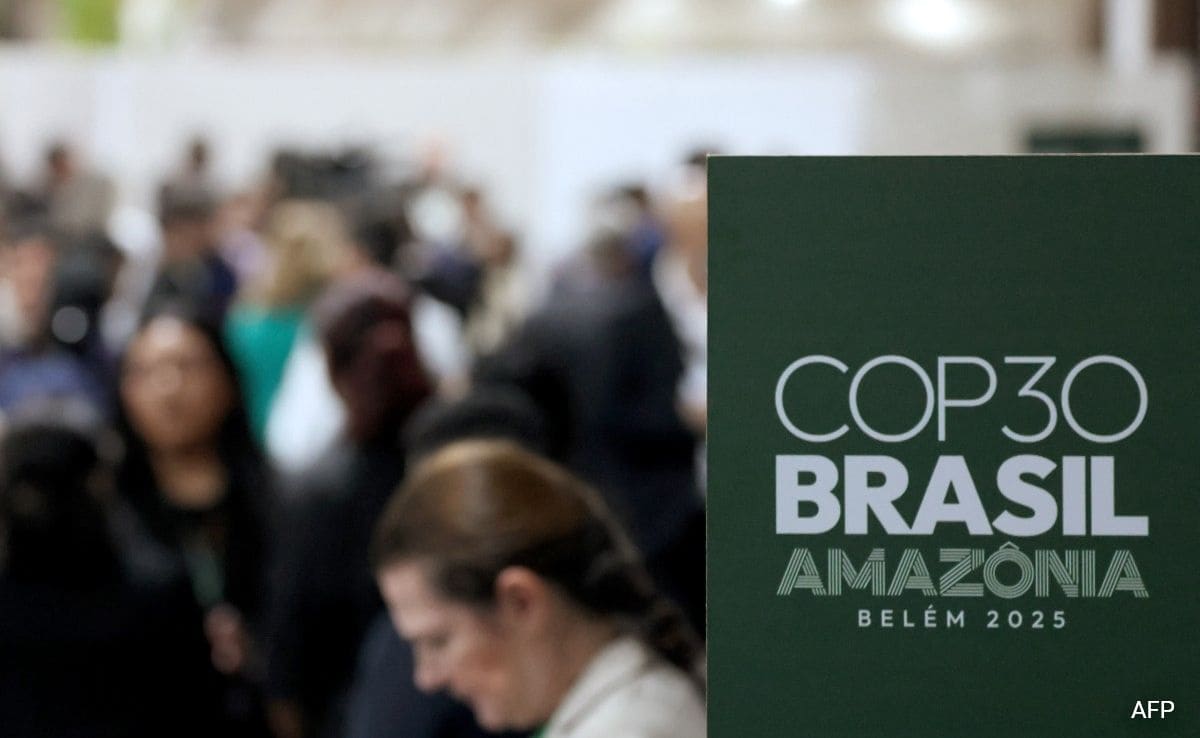
Imagine there's a big meeting about taking care of our planet, called COP30, happening in Brazil.
But before it even starts, people are seeing lots of fake videos and stories online that say bad things about the meeting or the place where it's happening.
Some of these fake stories are made super easily using computers, like artificial intelligence (AI).
For example, one video showed a fake flood in Brazil, but it was actually filmed somewhere else or made up completely.
This makes it hard for people to know what's true about climate change and why it's important to act.
It's like someone trying to trick you so you don't do your chores!
Experts are worried because most people want to help the planet, but these lies make it seem like that's not true.
Now, governments and groups are trying to make sure online platforms do a better job of stopping these fake stories and telling the truth.

AI-generated disinformation is increasingly impacting perceptions of the COP30 climate summit.
A report found a 267% surge in COP-related disinformation, much of it AI-supercharged.
Fake videos and claims, some using fabricated reporters and locations, are circulating on social media platforms.
Disinformation hinders public support for climate action despite widespread public desire for it.
Efforts are underway, including regulations like the EU's Digital Services Act, to combat online misinformation and improve information integrity.
- Who
- Climate Action Against Disinformation (CAAD) coalition, Observatory for Information Integrity (Oii), and researchers
- What
- AI-generated disinformation is spreading online, influencing perceptions of the COP30 climate summit and undermining support for climate action.
- When
- Ahead of the COP30 climate summit (previously July to September for the surge in disinformation examples)
- Where
- Globally, with specific examples related to Belem, Brazil (COP30 host city)
- Why
- To influence perceptions, sustain hostility towards climate science, and potentially hinder climate action.
Climate Activists and Researchers
Disinformation Spreaders
Impact of Disinformation
Climate Activists and Researchers
AI-powered disinformation undermines public support for climate action and intimidates scientists and activists.
Disinformation Spreaders
AI-generated content, including fabricated videos and documents, is being used to influence perceptions and sow doubt about climate science.
Platform Responsibility
Climate Activists and Researchers
Platforms like TikTok are failing to remove harmful AI-generated disinformation, despite being flagged.
Disinformation Spreaders
Platforms are struggling to manage the rapid spread of AI-generated climate content.
Public Opinion vs. Mobilization
Climate Activists and Researchers
Despite strong public desire for climate action, disinformation and platform algorithms obscure this willingness to mobilize.
Disinformation Spreaders
The public's willingness to mobilize for climate action is being underestimated due to the influence of disinformation.
- Reported By
- Climate Action Against Disinformation (CAAD) coalition and Observatory for Information Integrity (Oii)
- Event Context
- Ahead of COP30 climate summit in Belem, Brazil
- Disinformation Surge
- 267% increase (over 14,000 examples) of COP-related disinformation from July to September.
- AI Tainted Content
- Observed trend of AI-generated climate content throughout 2025.
- Public Support for Climate Action
- Over 80% want stronger climate action; 69% willing to contribute 1% of monthly income.
- Regulatory Response
- European Union's Digital Services Act aims to increase platform transparency and accountability.
Sources
Window To Prevent Climate Change "Closing Rapidly": COP30 Host Brazil's President

World leaders punch back at US climate denial ahead of Brazil’s COP30 negotiations
China’s vice premier urges end to trade barriers holding back green transition