Archive · 29 Oct 2025
ZSI, IIT Madras Decode India's Tap Water Microbiome
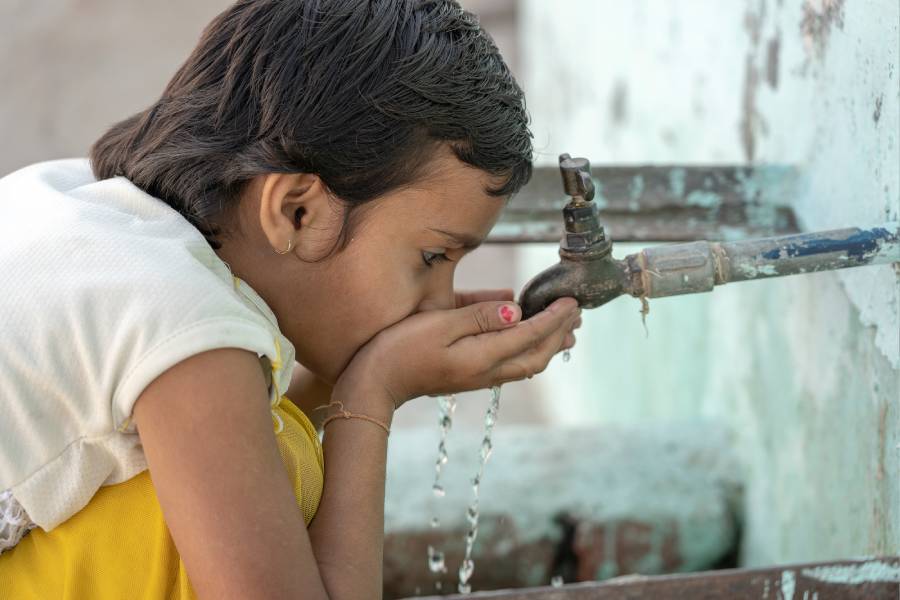
Scientists in India have looked at the tiny living things, called microbes, in the tap water that people drink.
They used a special high-tech method to see all the different microbes, not just the ones that are easy to spot.
They found that even the treated water has many types of microbes, some good and some that could be harmful.
Importantly, they also found tiny bits of genes that help bacteria fight off medicines, called antibiotic-resistance genes.
This is like finding clues that superbugs might be hiding in the water.
Knowing this helps scientists and the government keep our water safer and be prepared for any health problems, like infections or the spread of resistance to medicines.
It's like giving the water a thorough check-up to make sure it's healthy for everyone.

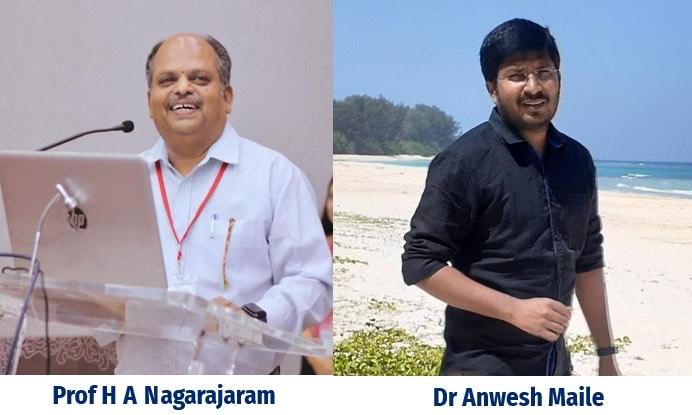
Scientists from ZSI and IIT-M have created the first comprehensive metagenomic profile of municipal drinking water in India.
The study uses metagenomic sequencing, a method that analyzes all DNA in a sample, to study the 'hidden microbiome' of treated water.
This technique can complement traditional testing, offering a powerful tool for early detection of pathogens and routes of antibiotic resistance spread.
The research identified traces of antimicrobial-resistance genes (ARGs) like adeF and ermR, linked to multidrug resistance.
These findings provide crucial baseline data to support India's water-safety programs, One Health strategy, and national action plans against antimicrobial resistance.
- Who
- Scientists from the Zoological Survey of India (ZSI) and the Indian Institute of Technology Madras (IIT-M)
- What
- Conducted the first comprehensive metagenomic study of municipal drinking water in India, revealing its microbial ecology and traces of antimicrobial-resistance genes (ARGs).
- When
- The study's findings were published recently, applying metagenomic sequencing to public drinking-water systems.
- Where
- Municipal drinking water systems in India.
- Why
- To understand the microbial composition and identify potential antibiotic resistance genes in treated water, serving as a surveillance tool and providing baseline data for water safety, pathogen detection, and India's One Health strategy.
- Research Institutions
- Zoological Survey of India (ZSI), Kolkata; Indian Institute of Technology Madras (IIT-M)
- Methodology
- Metagenomic sequencing of municipal drinking water
- Key Innovation
- First comprehensive metagenomic profile of municipal drinking water in India
- Benefits
- Early detection of pathogens, AMR dissemination routes, baseline data for water safety and One Health strategy
- Identified Genes
- Traces of antimicrobial-resistance genes (ARGs) like adeF and ermR
- Related National Programs
- Jal Jeevan Mission, Swachh Bharat Mission, National Action Plan on Antimicrobial Resistance (NAP-AMR)