Archive · 9 Oct 2026
Supreme Court Seeks Regulated Delhi Metro Services Ahead of Protests
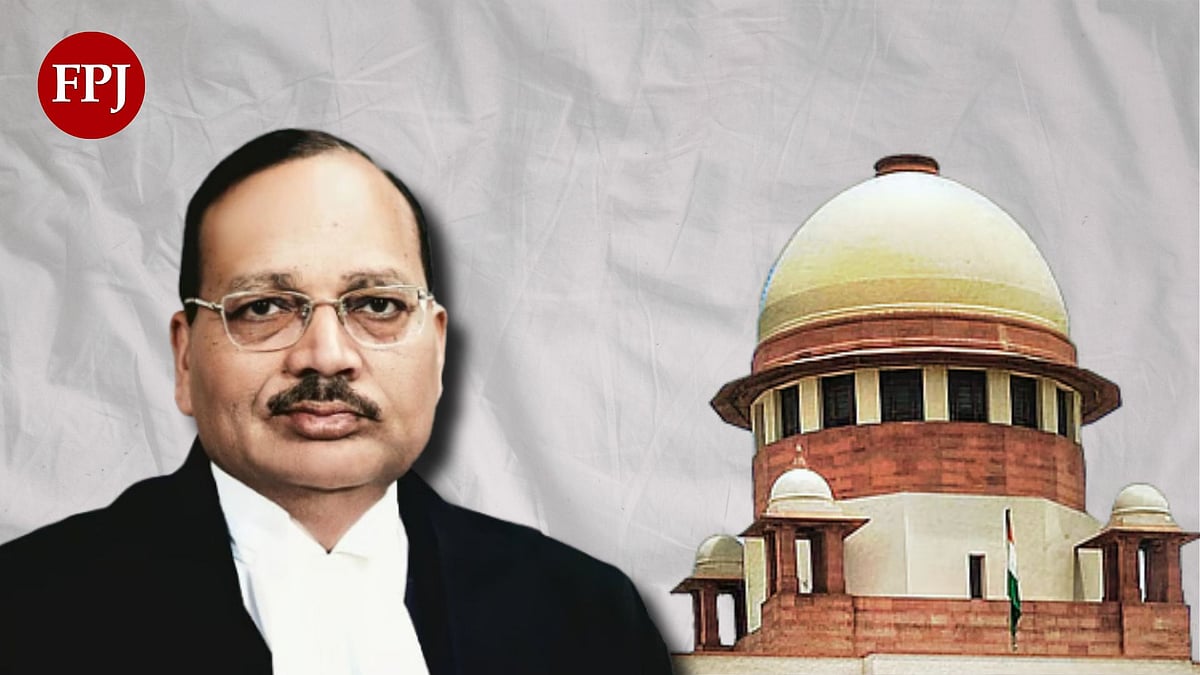
Protests were planned in Delhi for October 10.
Police had proposed closing gates at 57 metro stations and reducing train services.
The Supreme Court said transport should not be stopped completely.
It was concerned about people who rely on public transport to get to work, school and other places.
The court said authorities could regulate services to address safety concerns.
The government’s lawyer said the restrictions were connected to security risks.
The court asked officials to share transport decisions and travel advice publicly.
It also said road barricades and alternate routes should be reviewed.

The Supreme Court said metro and other train services must not be completely halted ahead of the October 10 protests.
The bench asked the Centre and authorities to consider regulated operations and account for commuters travelling from across the NCR.
Delhi Police had asked the Delhi Metro Rail Corporation to consider closing gates at 57 stations and reducing train frequency.
The Solicitor General cited security concerns, including violence after a July 20 march attempt, and said an internet shutdown was limited to sensitive areas.
The court called for publicising transport decisions and advisories, and for authorities to revisit road closures, barricades and alternate routes.
- Who
- The Supreme Court, the Centre, Delhi Police, the Delhi Metro Rail Corporation, petitioners and commuters.
- What
- The court said metro and train movement must not be completely prohibited and asked authorities to consider regulated services.
- When
- The hearing took place on Friday ahead of protests planned for October 10.
- Where
- Delhi and routes into the city from the National Capital Region, including Gurugram and Greater Noida.
- Why
- The court sought to address security concerns while limiting disruption to commuters who depend on public transport.
Commuter access and protest concerns
Security and public order
Scope of transport restrictions
Commuter access and protest concerns
Petitioners and the court raised concerns that station closures and wider restrictions could disrupt travel and leave commuters without public transport.
Security and public order
The Solicitor General said the proposed restrictions were proportionate to security concerns; the court accepted that authorities could regulate movement.
Managing the protest
Commuter access and protest concerns
Petitioners argued that citizens have a right to protest and challenged measures they said could effectively shut down parts of Delhi.
Security and public order
The bench noted that protests without permission are not in accordance with law and that public-order measures may be taken, subject to proportionality.
- Planned protest date
- October 10
- Police proposal
- Consider closing entry and exit gates at 57 metro stations and reducing train frequency.
- Police letter
- A letter dated October 8 asked the Delhi Metro Rail Corporation to consider the restrictions.
- Court's position
- There should be no complete prohibition on metro and train movement; services may be regulated.
- Commuters cited
- Students, employees, senior citizens and others travelling from parts of the NCR.
- Security rationale
- The Solicitor General cited violence following a July 20 attempt to march towards Parliament.
- Public advisories
- Authorities were asked to publicise transport decisions and advisories, and revisit road barricades and alternate routes.
Sources

'No complete prohibition...': SC asks Centre to regulate Delhi Metro, other public transport ahead of Oct 10 protest
'Do not stop it altogether': SC asks Centre to review Delhi Metro curbs ahead of Oct 10 protests
Delhi CJP protest: Supreme Court asks Centre to ensure metro, train services are not completely halted
CJP October 10 Delhi Protest: What Did CJI Mean By Stating 'Govt Using A Hammer To Kill A Fly'?