Archive · 1 Jan 2026
India's 2026 Gaganyaan Mission and NASA's Artemis-II
In 2026, India and the United States are planning important space missions.
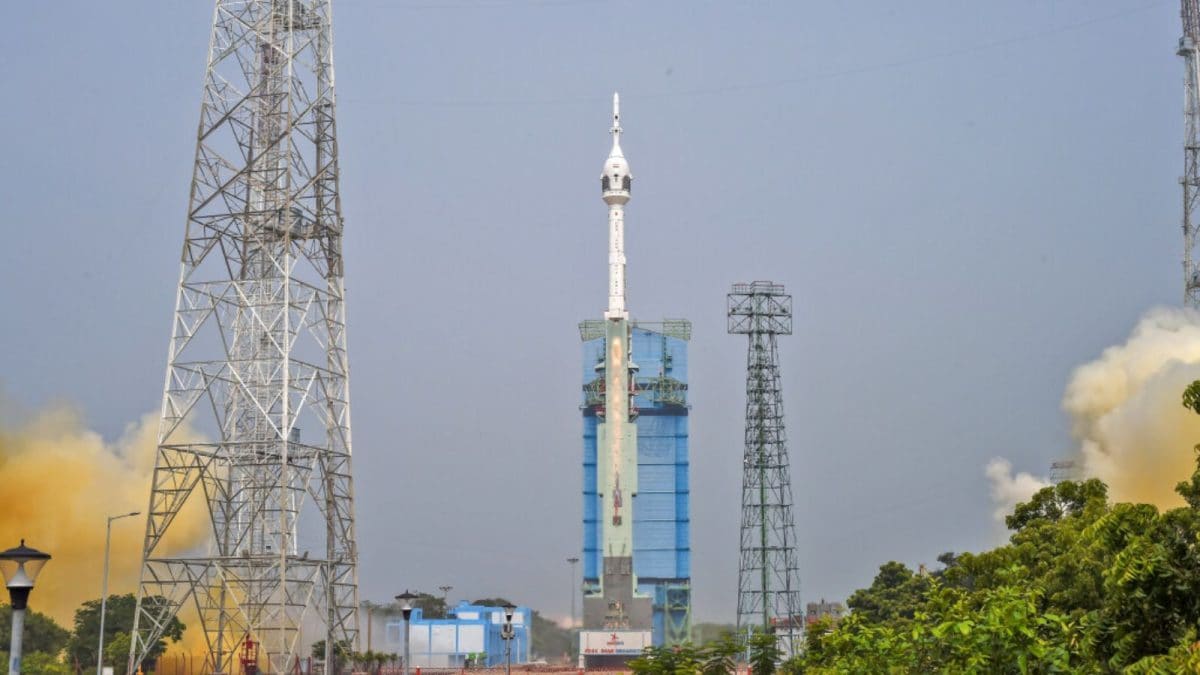
India's Gaganyaan programme will test a spacecraft with a robot named Vyommitra to make sure it's safe for astronauts.
This mission will help India send people into space on its own.
At the same time, NASA's Artemis-II mission will send astronauts around the Moon, which hasn't been done in over 50 years.
These missions are very important because they will help us learn more about space travel and prepare for future trips to the Moon and Mars.
Both missions will test new technologies and systems to keep astronauts safe and comfortable in space.

India's Gaganyaan programme plans to launch the G1 mission in March 2026, an uncrewed orbital test using the LVM3 rocket.
The G1 mission will carry a humanoid robot, Vyommitra, to validate life-support systems and other critical technologies.
NASA's Artemis-II mission, scheduled for February 5, 2026, will send four astronauts around the Moon using the Orion spacecraft.
Artemis-II will test deep-space systems, including navigation, communication, and life-support capabilities.
Both missions aim to advance human spaceflight, with Gaganyaan focusing on independent human spaceflight for India and Artemis-II paving the way for future lunar landings and Mars exploration.
- Who
- ISRO and NASA
- What
- Gaganyaan and Artemis-II missions
- When
- 2026
- Where
- India and United States
- Why
- To advance human spaceflight capabilities
- G1 Mission
- Tentatively targeted for March 2026
- Gaganyaan-Mk3 Rocket
- Human-rated LVM3 rocket
- Vyommitra
- Humanoid robot for system validation
- Orbit Altitude
- 300 to 400 kilometres
- Artemis-II Mission
- Scheduled for February 5, 2026
- Orion Spacecraft
- Powered by Space Launch System (SLS) rocket
- Mission Duration
- Approximately 10 days
- Distance Beyond Moon
- At least 5,000 nautical miles