Archive · 6 Sep 2026
Pentagon Orders Unprecedented Polygraphs in Iran War Leak Hunt
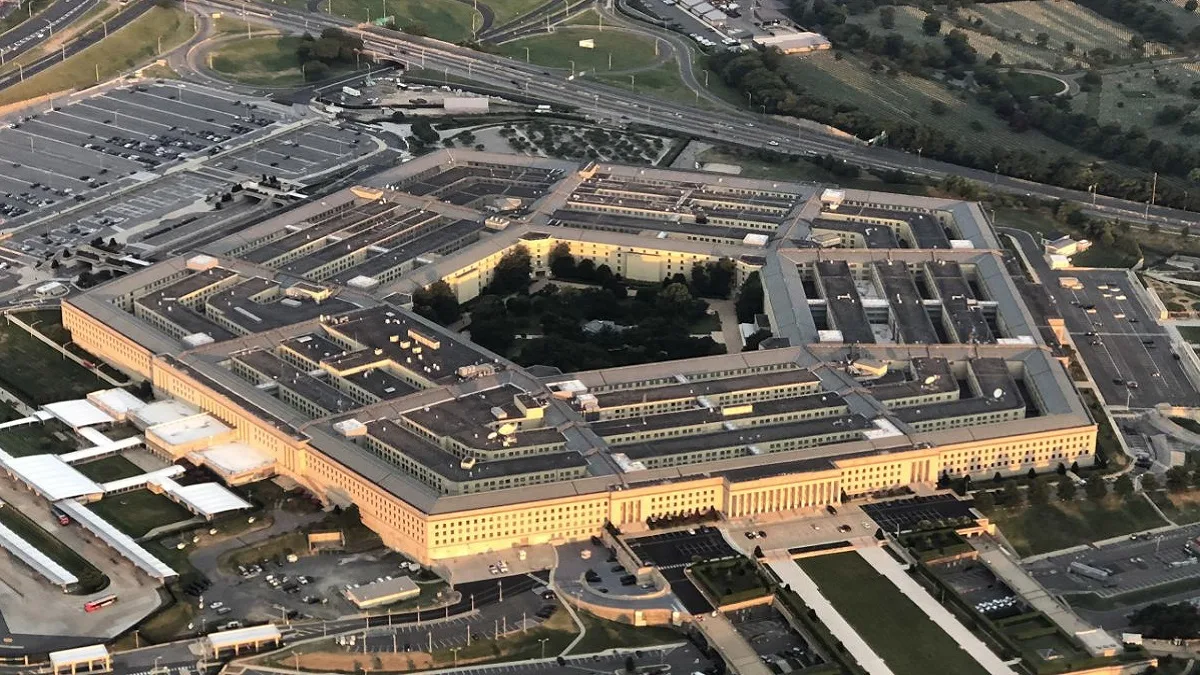
The Pentagon wanted to find out who shared secret information with reporters.
The information concerned American supplies of important weapons during the war with Iran.
About 50 military and civilian workers connected to the Joint Staff reportedly took lie-detector tests.
Investigators asked whether they had spoken to journalists about classified weapons information.
The tests did not clearly identify a person who leaked the information.
Gen.
Dan Caine, a top military leader, was reportedly not tested.
Officials were also concerned that someone with access might be helping a foreign intelligence service.
President Donald Trump said reports about weapon shortages were false and treasonous.
Some people said the large investigation could frighten workers and make distrust inside the Pentagon worse.

About 50 military officers and civilian employees on the Joint Staff reportedly underwent polygraph tests in August.
Investigators questioned whether personnel disclosed classified information about depleted stocks of long-range missiles and Patriot interceptors.
No examinee reportedly failed questions specifically intended to identify leaks to journalists, and Gen. Dan Caine was not tested.
The Pentagon said it does not comment on internal investigations but takes classified leaks seriously; the FBI was not involved in the examinations.
President Donald Trump called reports about weapons shortages treasonous and fake news, while critics said the testing could intimidate potential sources and deepen distrust.
- Who
- About 50 United States military officers and civilian employees connected to the Joint Staff were reportedly tested by military investigators.
- What
- The Pentagon conducted a large polygraph-based investigation into leaks about classified United States weapons stocks and possible disclosures to journalists.
- When
- The examinations reportedly took place in August, after news reports about depleted munitions stocks.
- Where
- The investigation involved personnel working with the United States Department of Defense’s Joint Staff.
- Why
- Investigators sought to identify unauthorized disclosures, protect classified information and determine whether someone with access could be acting as a foreign intelligence asset.
National Security Justification
Intimidation and Transparency Concerns
Purpose of the investigation
National Security Justification
Pentagon officials said protecting classified information is essential to national security and the safety of United States troops. Investigators also examined whether an insider could be working as a foreign intelligence asset.
Intimidation and Transparency Concerns
People familiar with the effort told The New York Times that the testing appeared intended not only to identify a leaker but also to discourage others from speaking with journalists.
Reports about weapons shortages
National Security Justification
Donald Trump rejected reports of strategic weapons shortages, calling them treasonous and fake news and saying the United States had massive amounts of weaponry.
Intimidation and Transparency Concerns
Multiple news reports described depleted stocks of long-range missiles and Patriot interceptors during the Iran war; the articles do not resolve the dispute over the extent of the shortages.
Scale and effect of polygraph testing
National Security Justification
Polygraphs are used for some personnel with access to highly classified information, and officials said leaks require investigation.
Intimidation and Transparency Concerns
Current and former officials and a retired Navy judge advocate described testing roughly 50 relatively senior personnel as unprecedented or extremely rare, saying it contributed to pressure, paranoia and distrust inside the Pentagon.
- People tested
- Roughly 50 Joint Staff military officers and civilian employees reportedly underwent polygraph examinations.
- Joint Staff size
- The Joint Staff includes between 1,500 and 2,000 officers and civilian officials.
- Test timing
- The examinations reportedly occurred in August after reports about diminished weapons stocks.
- Information involved
- The investigation concerned long-range missiles, Patriot interceptors and other munitions stocks.
- Reported result
- No one reportedly failed questions specifically designed to determine whether they leaked information to journalists.
- Senior official excluded
- Gen. Dan Caine, chairman of the Joint Chiefs of Staff, was reportedly not tested.
- Investigating agency
- Military investigators conducted the examinations; the Federal Bureau of Investigation was not involved.