Archive · 21 Aug 2026
US Intensifies Economic Pressure on Iran Amid Hormuz Tensions
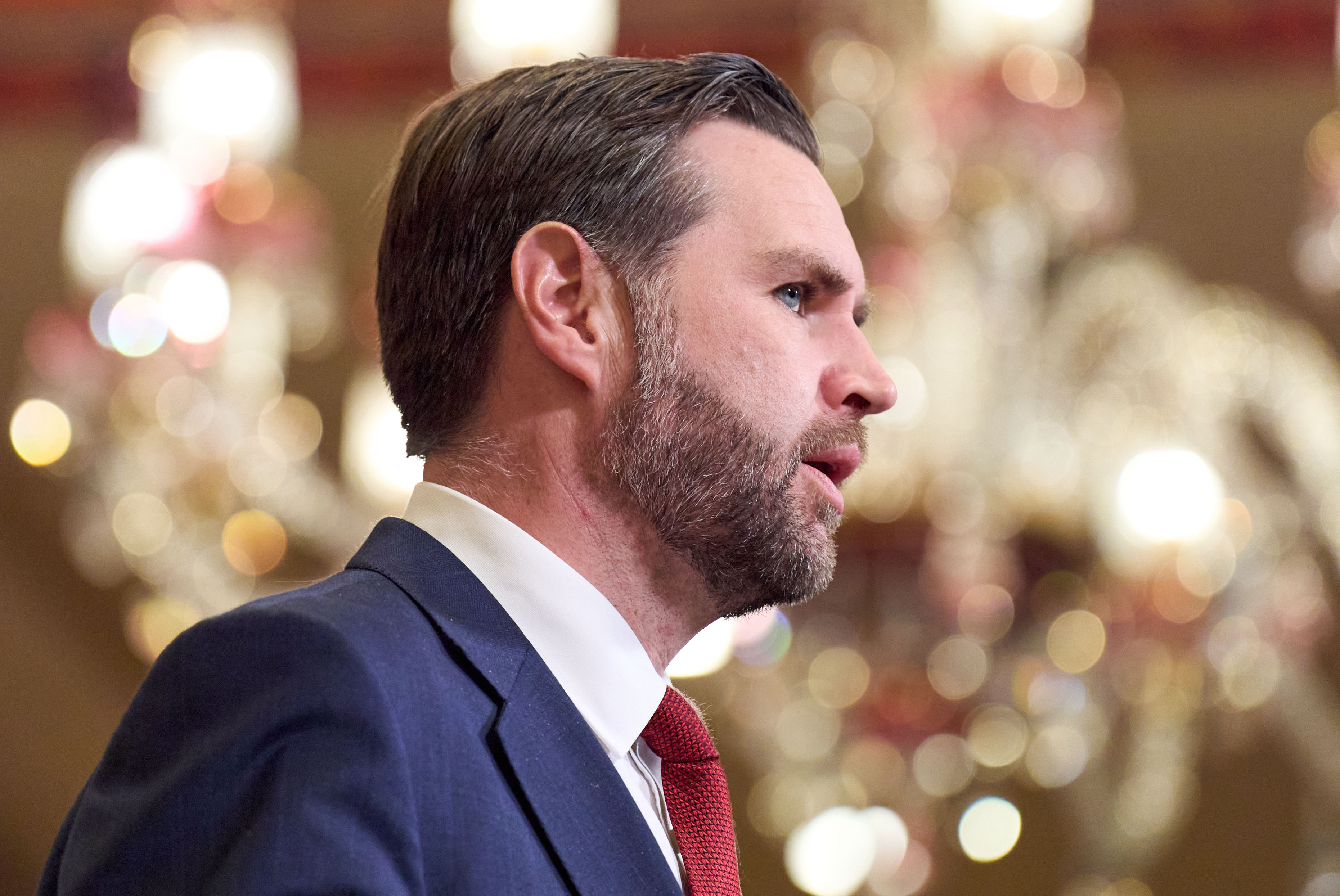
The United States is using economic punishments to pressure Iran.
JD Vance said this is America’s strongest tool, but also called it a delicate dance.
He warned that Iran could try to hurt the United States economically in return.
Oil prices have gone up, and the United States says it is working to keep energy moving through the Strait of Hormuz.
Vance said pressure was also meant to influence Iran after attacks on commercial ships.
President Donald Trump announced measures aimed at Iran’s oil and financial networks.
The United States says Iran must not rebuild its nuclear capabilities or obtain a nuclear weapon.
Iran’s government called the sanctions another form of war and said they would not change its policies.
The two countries also disagree about whether the Strait of Hormuz is open.

Vice President JD Vance called economic pressure Washington’s most effective tool against Iran but said it was a delicate strategy.
President Donald Trump announced measures targeting Iran’s oil smuggling networks, financial transfers, exchange houses, ship registries and front companies.
Vance said elevated oil prices were affecting Americans and that the United States was working to maintain energy supplies through the Strait of Hormuz.
Iran’s Foreign Ministry called the sanctions economic terrorism and crimes against humanity, saying they would not change Tehran’s determination to defend its sovereignty.
The United States said the Strait of Hormuz was open, while Iranian Speaker Mohammad Bagher Ghalibaf said it would remain closed until specified US commitments were fulfilled.
- Who
- The United States, including President Donald Trump and Vice President JD Vance, and Iranian officials including Foreign Minister Seyed Abbas Araghchi, the Foreign Ministry and Parliament Speaker Mohammad Bagher Ghalibaf.
- What
- Washington announced and defended intensified economic pressure and sanctions against Iran amid disputes over commercial vessels, nuclear capabilities and the Strait of Hormuz.
- When
- The remarks and announcements were reported on Thursday, amid heightened tensions between Washington and Tehran.
- Where
- The dispute involves the United States and Iran, with particular focus on the Strait of Hormuz.
- Why
- The United States says the measures are intended to pressure Iran over attacks on commercial vessels, influence negotiations and prevent it from rebuilding nuclear capabilities. Iran says the sanctions are hostile economic warfare that violate its rights and sovereignty.
United States’ Position
Iran’s Position
Purpose of economic pressure
United States’ Position
The United States says economic pressure can influence Iran’s decisions, including its conduct toward commercial vessels and the terms of a possible deal.
Iran’s Position
Iran says the sanctions are economic terrorism and another form of war or military aggression, and that they will not change its determination to defend its independence and sovereignty.
Nuclear capabilities
United States’ Position
The United States says Iran must be prevented from rebuilding its nuclear capabilities and acquiring a nuclear weapon.
Iran’s Position
Iran rejects the broader US pressure campaign as hostile policy; the articles do not provide a direct Iranian response specifically addressing the US nuclear objective.
Strait of Hormuz
United States’ Position
Trump said the waterway was open and that the US naval blockade had been extremely effective, while Vance said the administration was working to keep energy moving.
Iran’s Position
Ghalibaf said Tehran would not reopen the strait until the United States lifted the blockade, released frozen Iranian assets and eased oil sanctions under a 14-point memorandum.
Economic consequences
United States’ Position
Vance said Iran had felt more pressure than the United States, while Trump warned countries and institutions supporting Tehran of tremendous economic consequences.
Iran’s Position
Araghchi said the campaign was diverting attention from US debt and interest costs, and warned that US economic pressure threatened the global economy and sovereignty worldwide.
- US strategy
- JD Vance called economic pressure the most effective tool available to Washington against Iran and described it as a delicate dance.
- Trump’s measures
- Donald Trump described the campaign as the most crushing economic operation ever taken against a country and warned of unprecedented economic isolation.
- Targets
- The measures target oil smuggling networks, financial transfers, exchange houses, ship registries and front companies linked to Iran.
- Energy impact
- Vance acknowledged elevated oil prices and said the administration was working to maintain oil and gas supplies through the Strait of Hormuz.
- Nuclear objective
- Vance and Trump said US policy aimed to ensure Iran could not rebuild its nuclear capabilities or acquire a nuclear weapon.
- Iranian response
- Iran’s Foreign Ministry called the sanctions economic terrorism and crimes against humanity, saying they would not change Iran’s determination to defend its independence and sovereignty.
- Hormuz dispute
- Trump said the Strait of Hormuz was open, while Ghalibaf said Iran would not reopen it until the United States lifted the blockade, released frozen Iranian assets and eased oil sanctions under specified commitments.
Sources

US VP JD Vance Calls Economic Pressure 'Most Effective Tool' Against Iran, Admits It's a 'Delicate Dance'
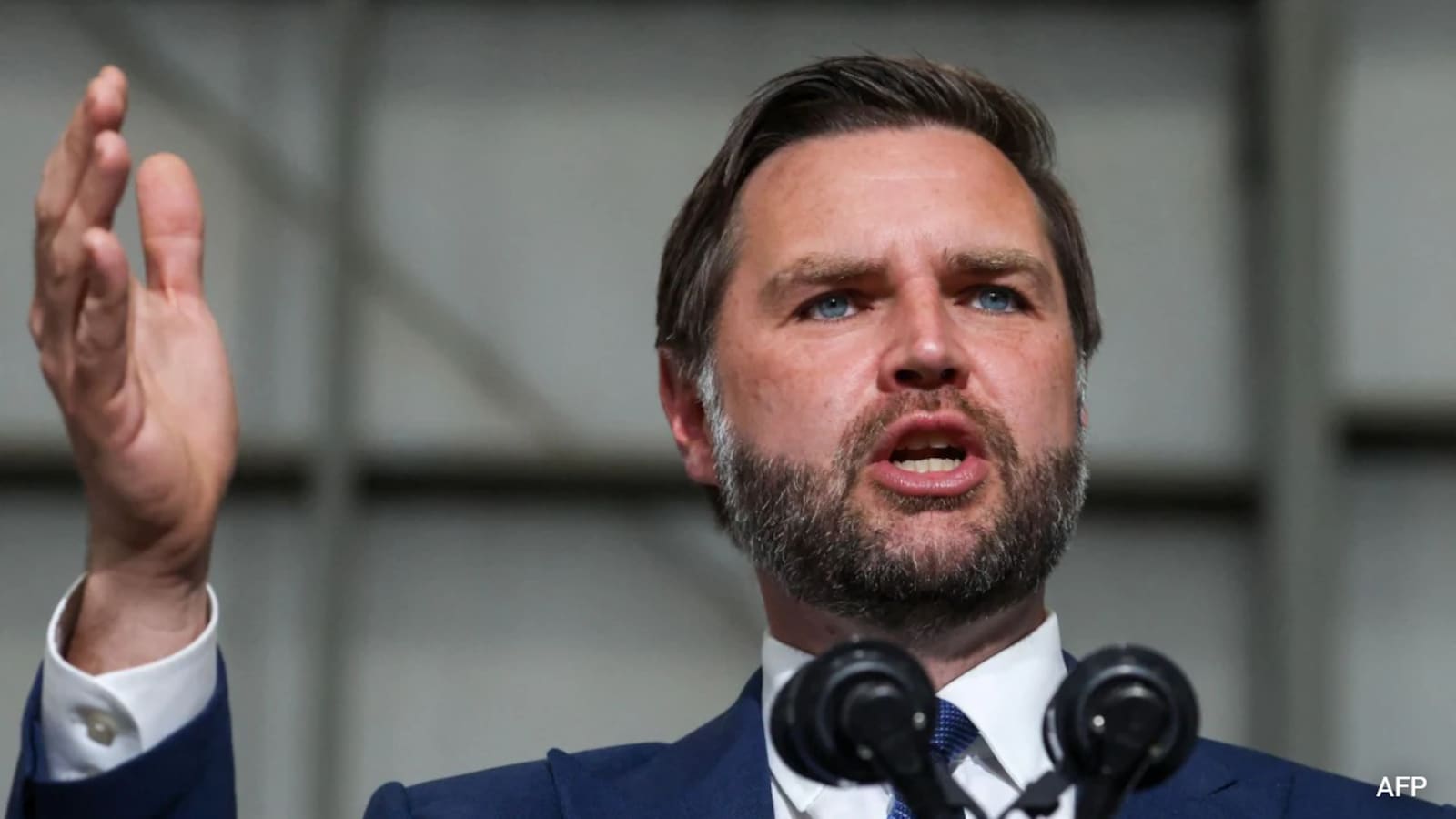
Economic Pressure A "Delicate Dance" Against Iran: JD Vance
Economic Pressure a Delicate Dance Against Iran, Most Effective Tool: JD Vance