

1 hr ago
IIT Mandi’s Poster Probe Tests Campus Caste Standards

IIT Mandi found a poster during a Janmashtami campus event that described caste groups in different roles.
Some of the wording made it sound as if certain groups were more important than others.
The institute removed the poster and started an investigation.
It also plans to refer the matter to the police.
The institute’s director said students created the display and that IIT Mandi opposes caste discrimination.
He explained that some religious traditions understand varna as being based on a person’s qualities and work, not birth.
Critics say the poster’s actual wording still looked like a caste ranking.
The investigation will look at who made the poster, whether anyone approved it, and how the institute should prevent similar problems.

IIT Mandi ordered an inquiry into a poster displayed during Janmashtami celebrations on September 4.
The poster described varnas as social roles and said Shudras should serve the “higher classes.”
The institute confiscated the poster, formed a nine-member committee, and decided to refer the matter to police.
Director Laxmidhar Behera said the display was student-led and defended a theological interpretation of varna based on qualities and actions rather than birth.
The inquiry is expected to examine who created and approved the poster, faculty awareness, and whether campus safeguards were adequate.
- Who
- IIT Mandi, its director Laxmidhar Behera, and a nine-member fact-finding committee headed by Prof. Viswanath Balakrishna are involved; the student responsible has not been identified.
- What
- The institute is investigating and has confiscated a poster that described the four varnas in functional and hierarchical terms.
- Where
- On the IIT Mandi campus.
- When
- The poster was displayed on September 4; the article also refers to UGC regulations notified in January 2026.
- Why
- The poster’s wording was seen as potentially expressing caste hierarchy and discrimination, raising questions about institutional oversight and campus equality standards.
Concerns About Caste Hierarchy
Theological Defense and Institutional Process
Meaning of the poster
Concerns About Caste Hierarchy
The wording referred to “higher classes” and assigned service to Shudras, so it could reasonably be understood as presenting caste-based social hierarchy.
Theological Defense and Institutional Process
The director’s defense reflects a Gaudiya Vaishnava interpretation in which varna is based on guna and karma—qualities and actions—rather than hereditary birth.
Institutional responsibility
Concerns About Caste Hierarchy
A public institute should examine how the poster was approved and displayed, whether faculty knew about it, and whether its procedures allowed discriminatory material to appear.
Theological Defense and Institutional Process
The event was described as student-led, and the institute has already taken significant steps by confiscating the poster, conducting an inquiry, and involving police.
Academic discussion versus campus display
Concerns About Caste Hierarchy
Universities may discuss controversial religious ideas, but publicly displaying language that appears to assign different social worth by caste requires stronger safeguards.
Theological Defense and Institutional Process
Investigators should distinguish an academic or theological discussion from discriminatory intent rather than assuming the poster’s meaning before completing the inquiry.
Key facts
- Poster content
- It assigned roles to Brahmanas, Kshatriyas, Vaishyas, and Shudras, describing Shudras as serving the “higher classes.”
- Institute response
- IIT Mandi confiscated the poster, ordered a fact-finding inquiry, and decided to refer the matter to police.
- Inquiry committee
- The nine-member committee is headed by Prof. Viswanath Balakrishna and includes six members from the institute’s reservation cell.
- Director’s position
- Laxmidhar Behera said the initiative was student-led and that the institute firmly opposes caste discrimination.
- Theological defense
- Behera associated his interpretation with a guna-karma understanding of varna based on qualities and actions rather than birth.
- Regulatory context
- UGC regulations notified in January 2026 required higher education institutions to establish Equity Committees, but the Supreme Court later put them in abeyance.
- Reservation cell
- IIT Mandi’s reservation cell handles complaints involving SC, ST, OBC, and PwD students and employees, including caste-based harassment and discrimination.
Sources
Related news

IIT Mandi Disowns Casteist Poster and Orders Inquiry

IIT Mandi Orders Probe Into Controversial ‘Shudras Serve’ Poster
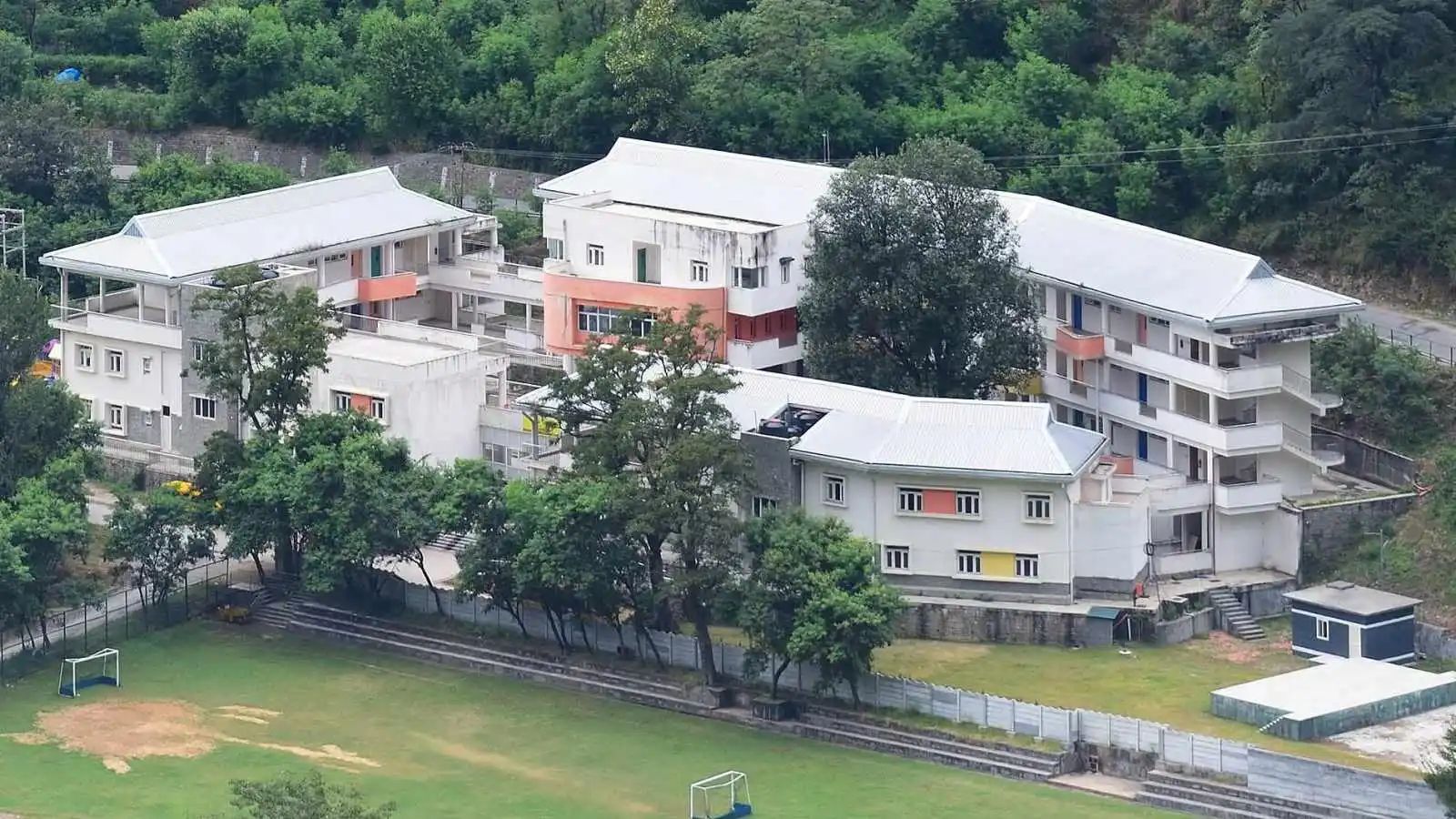
IIT Mandi Probe Finds No Intent to Hurt Community
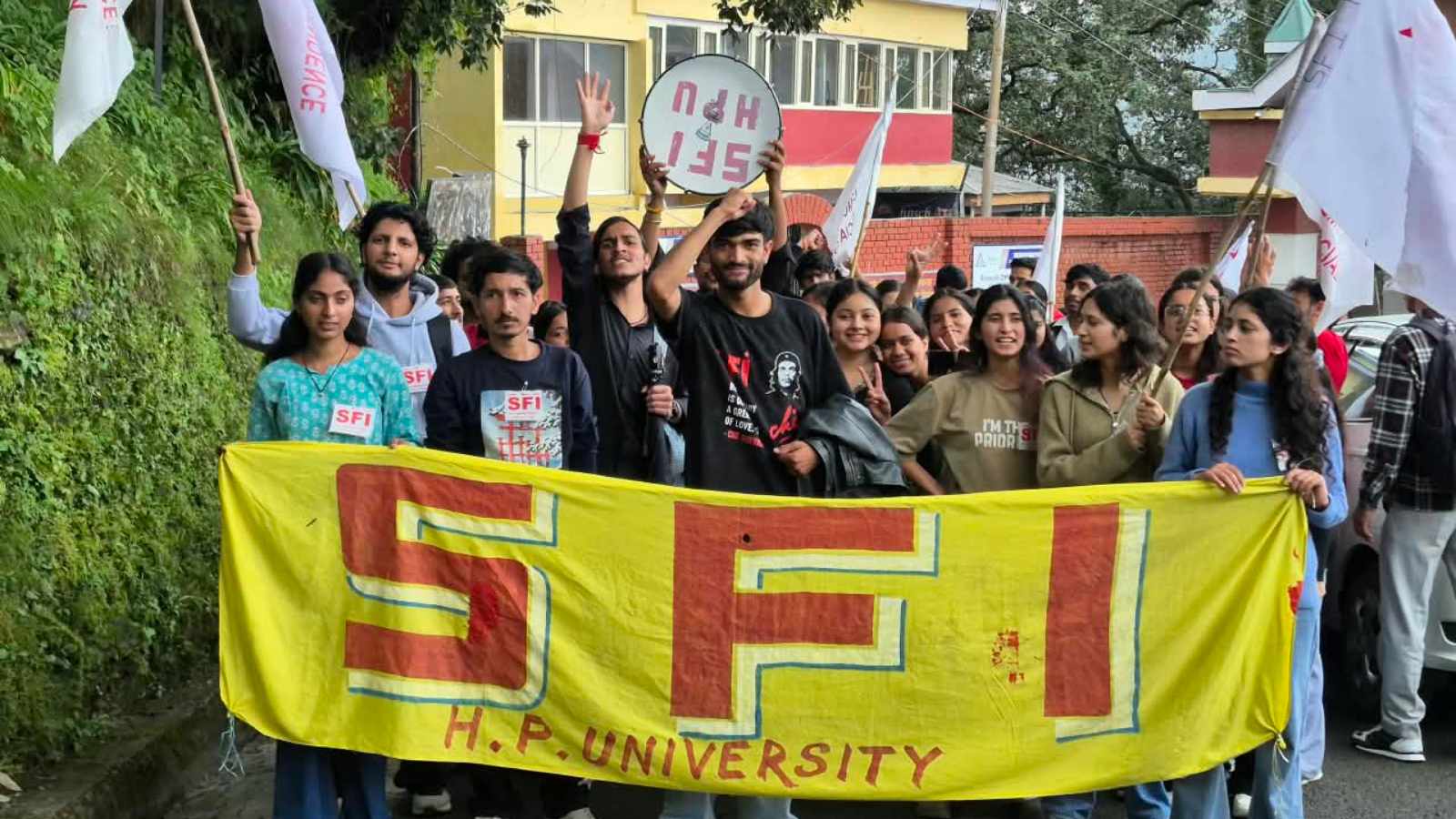
IIT Mandi Faces Anti-Dalit Poster Controversy After Janmashtami
IIT Bombay Student’s Death Sparks Caste Discrimination Debate
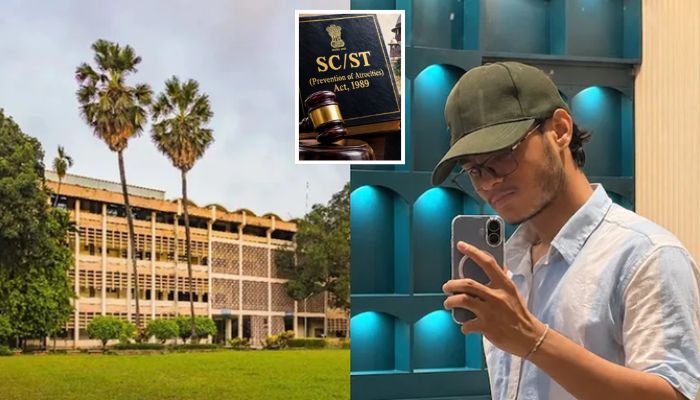
IIT Bombay Student Death Sparks Caste Discrimination Debate
UGC Revises Allied Healthcare Degree Names From 2026-27
Uttar Pradesh Caste Groups Press Demands Ahead of Assembly Polls

What Working Professionals Should Consider Before Choosing an Online MBA
Jadavpur Scholars Warn Faculty Transfer Bill Threatens PhD Research
