

Archive · 29 Jul 2026
US Bans New Chinese Robots, Inverters for Security
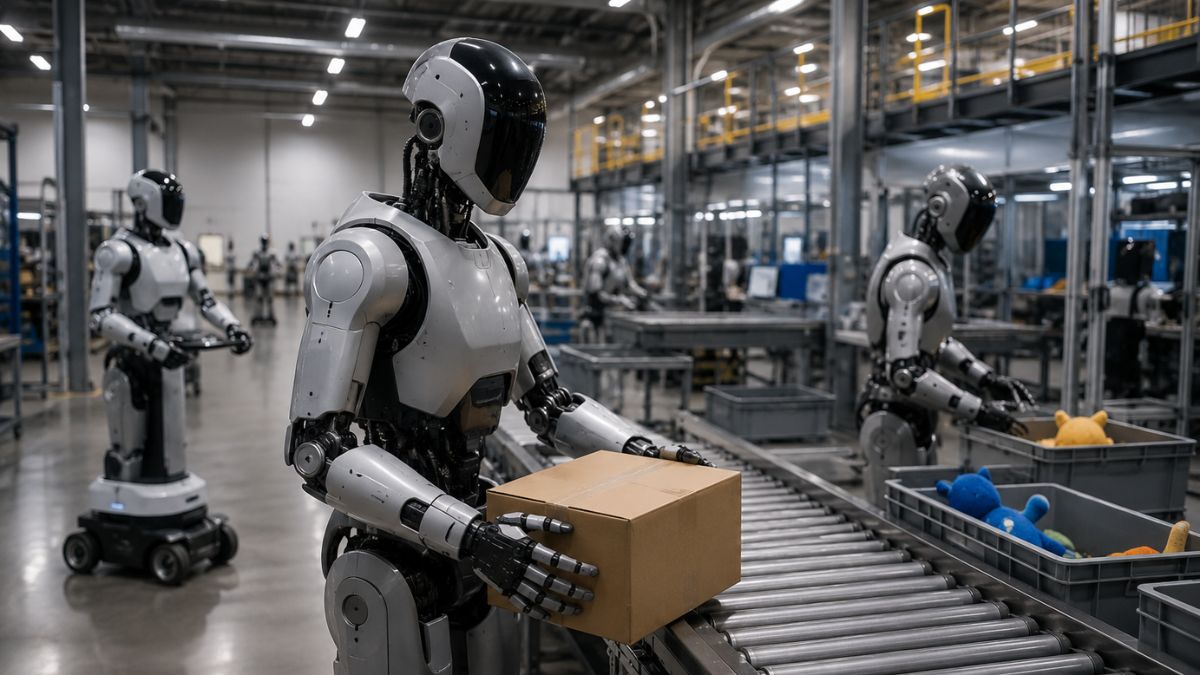
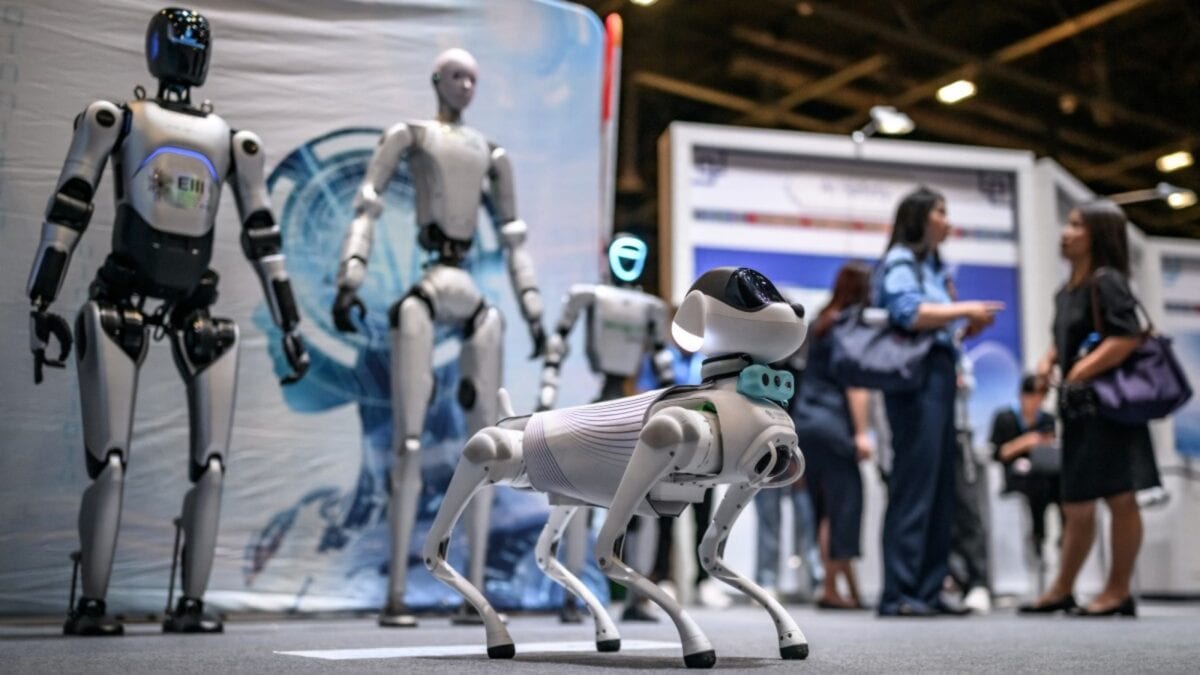
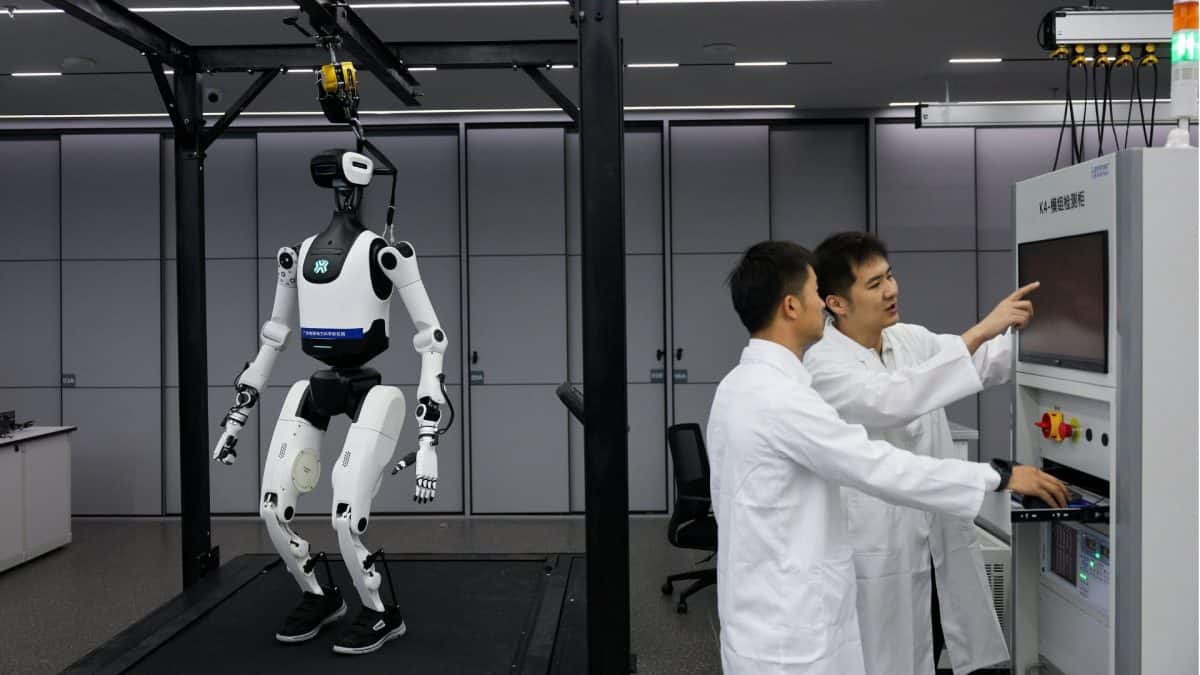
The Trump administration is planning to ban the import of new Chinese humanoid and quadruped robots, as well as power inverters.
This move aims to protect the U.S. artificial intelligence supply chain from potential threats like data theft and cyberattacks.
The ban is also intended to encourage companies to manufacture these technologies in the U.S. The Federal Communications Commission (FCC) will implement these measures, which will apply to new models that have not yet been released.
Non-Chinese suppliers are likely to be exempted from these restrictions.
The ban is expected to impact major Chinese companies like Unitree, Sungrow Power Supply, and Huawei.
The U.S. Department of Defense is already barred from procuring solar photovoltaic cells, modules, or inverters from Chinese companies.
The administration hopes to avoid another scenario like the rare earth minerals issue, where China's dominance led to significant leverage on the international stage.

The Trump administration plans to ban new Chinese humanoid and quadruped robots and power inverters.
The ban aims to protect U.S. AI supply chains from national security threats and reshore key industries.
The Federal Communications Commission (FCC) will implement the measures, which will apply to new models not yet released.
Non-Chinese suppliers are likely to be exempted from the restrictions.
The ban is expected to impact major Chinese companies like Unitree, Sungrow Power Supply, and Huawei.
- Who
- Trump administration, Federal Communications Commission (FCC), U.S. officials
- What
- Ban on new Chinese humanoid and quadruped robots and power inverters
- When
- Tuesday
- Where
- United States
- Why
- To protect U.S. AI buildout from national security threats and reshore key industries
Pro-Ban Perspective
Anti-Ban Perspective
National Security Concerns
Pro-Ban Perspective
The ban is necessary to protect U.S. AI supply chains from Chinese threats of disruption, data theft, and cyberattacks.
Anti-Ban Perspective
The ban could escalate tensions and lead to retaliatory measures from China, harming U.S. interests.
Economic Impact
Pro-Ban Perspective
The ban will drive firms to shift manufacturing to the U.S., boosting domestic industries.
Anti-Ban Perspective
The ban could disrupt supply chains and increase costs for U.S. companies relying on Chinese technology.
Technological Advancement
Pro-Ban Perspective
The ban will ensure that the U.S. maintains a technological edge by preventing Chinese firms from stealing U.S. intellectual property.
Anti-Ban Perspective
The ban could stifle innovation by limiting access to advanced Chinese technologies.
- Date
- Tuesday
- Agency
- Federal Communications Commission (FCC)
- Technologies Banned
- New Chinese humanoid and quadruped robots, power inverters
- Impacted Companies
- Unitree, Sungrow Power Supply, Huawei
- U.S. Officials' Goal
- Protect U.S. AI buildout from national security threats and reshore key industries
- Exemptions
- Non-Chinese suppliers likely to be exempted
- Effective Date
- Upon publication
- U.S. Department of Defense Policy
- Barred from procuring solar photovoltaic cells, modules, or inverters from Chinese companies
Sources
Why is the US banning Chinese robots and power inverters?

Trump administration to ban new Chinese humanoid robots, protecting US AI buildout
China Tech Curbs: US To Ban Imports Of Chinese Robots, Power Inverters Over Security Risks
US blocks foreign humanoid robots: Trump admin targets China’s growing AI robotics industry
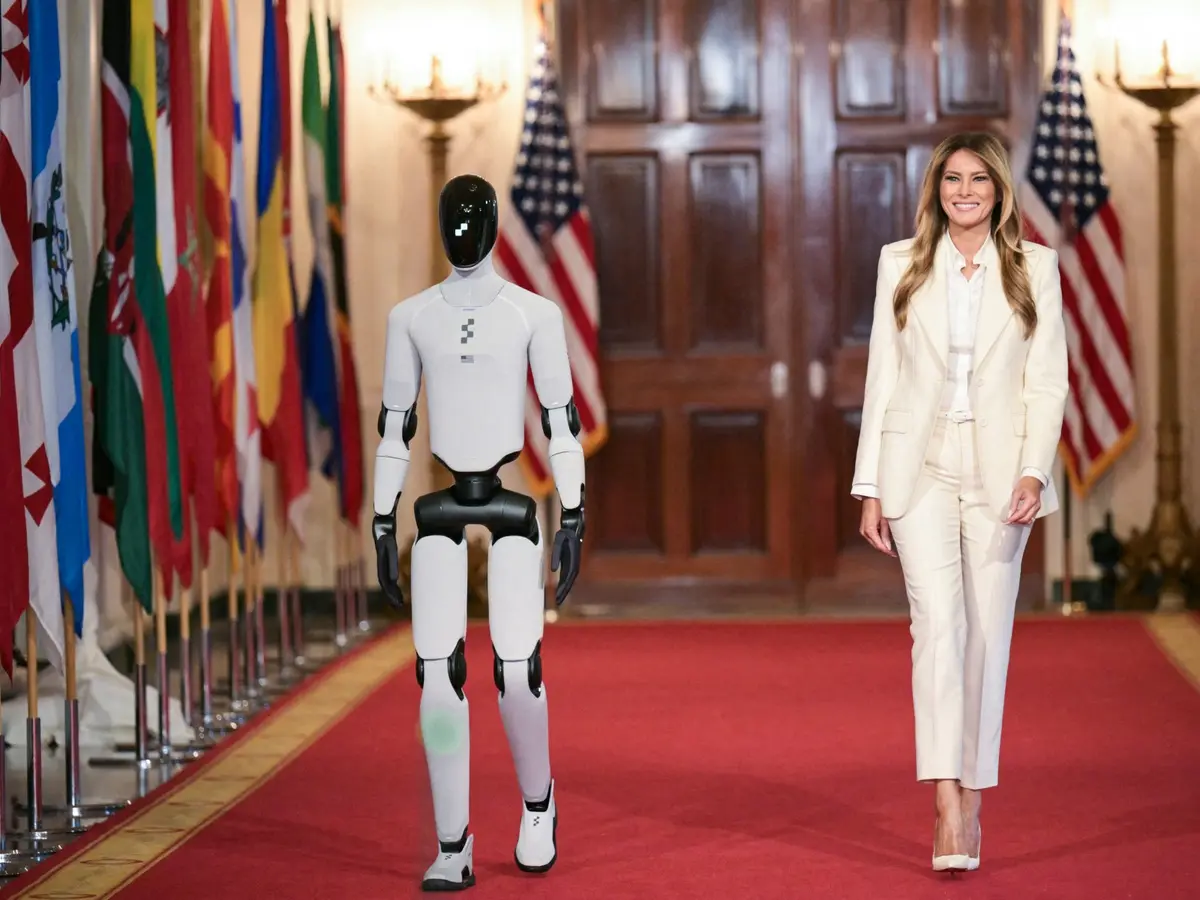
Making way for Musk's Optimus? Trump administration bans foreign-made humanoid robots. Here's why
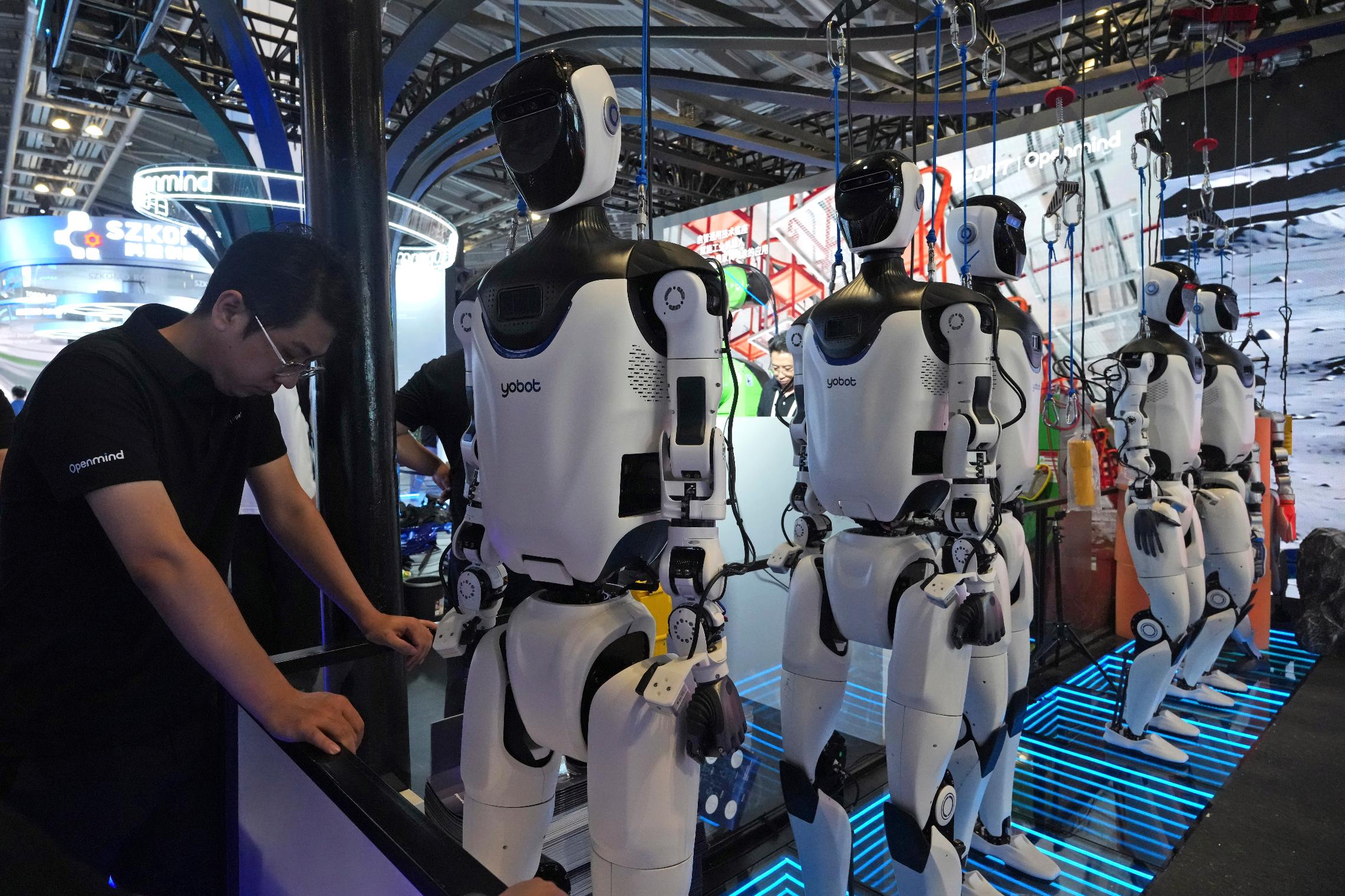
US Administration Bans New Chinese Humanoids, To Protect US AI Buildout
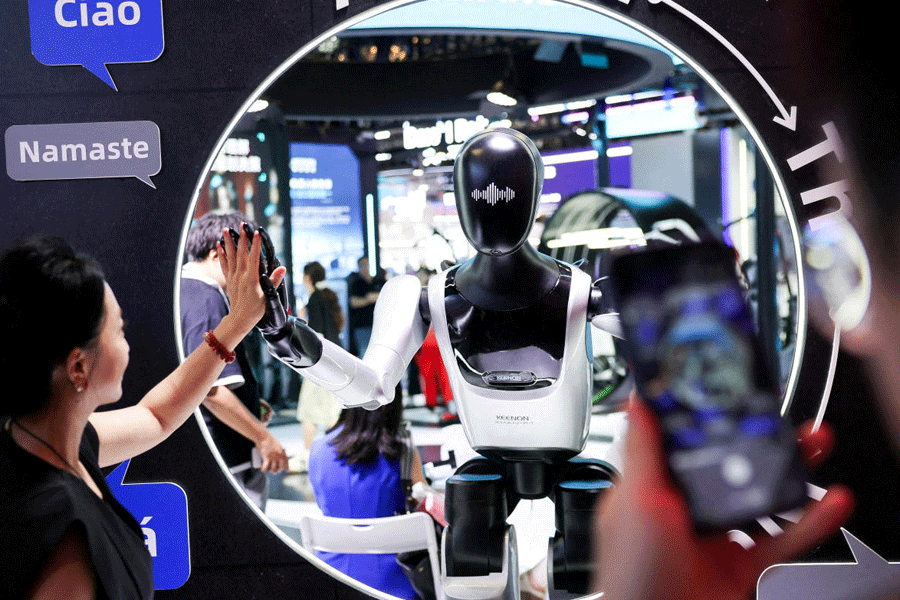
Trump administration bans new Chinese humanoid robots to protect US AI supply chain

Exclusive-Trump administration to ban new Chinese humanoid robots, protecting US AI buildout

US Imposes Ban On Chinese Humanoid Robots Citing National Security