

Archive · 9 Jan 2026
Trump Admin Releases New Dietary Guidelines
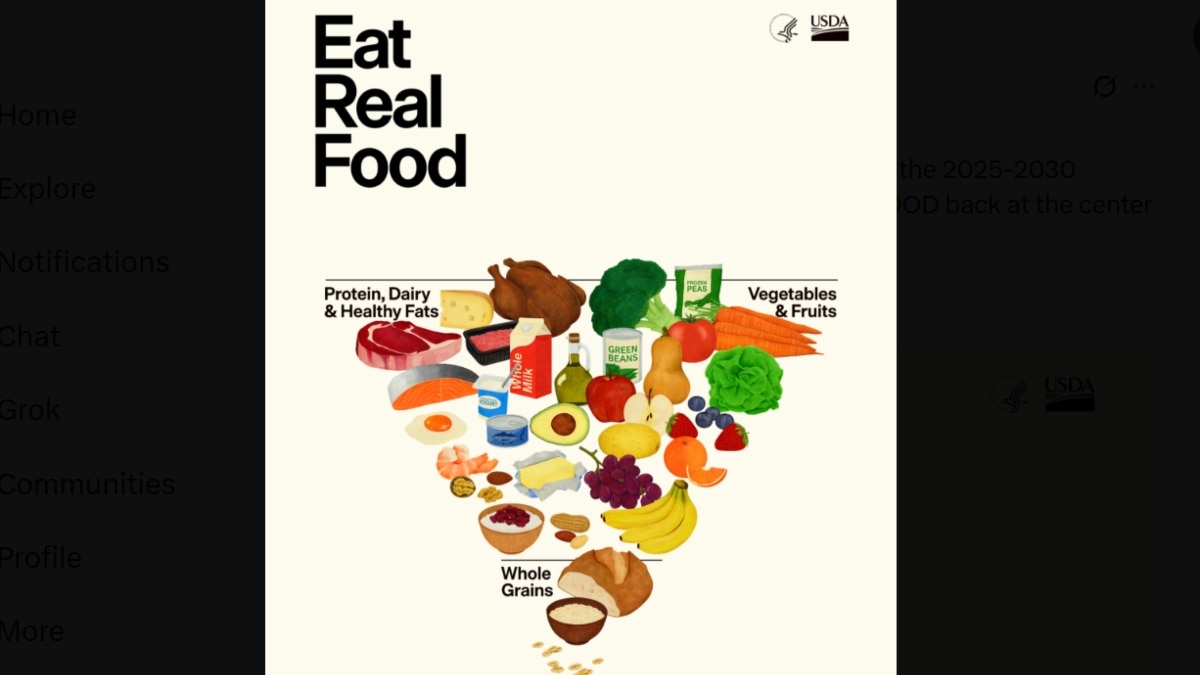
The Trump administration has released new dietary guidelines for Americans.
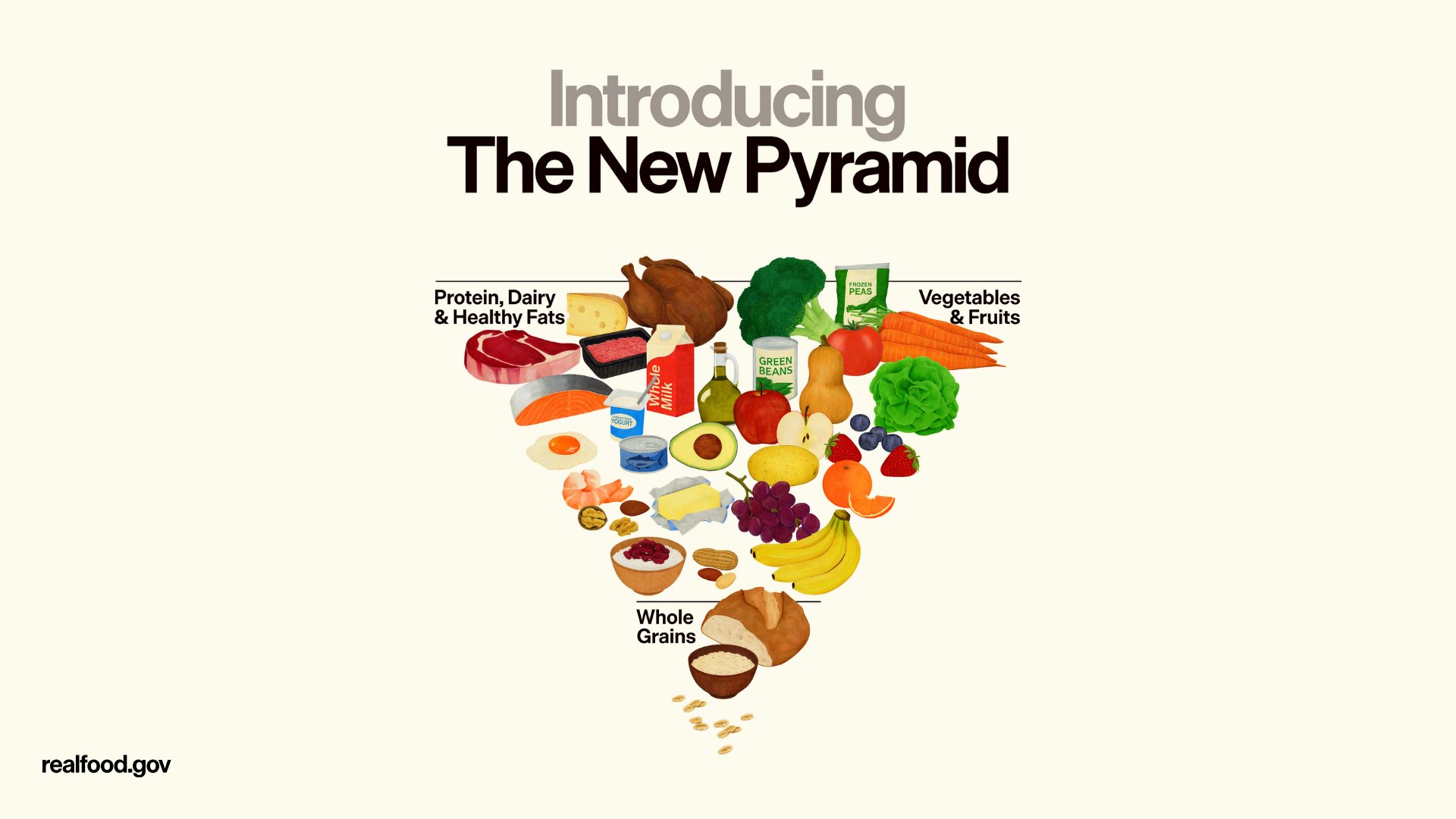
These guidelines suggest eating more whole foods like vegetables, whole grains, and dairy, and more protein.
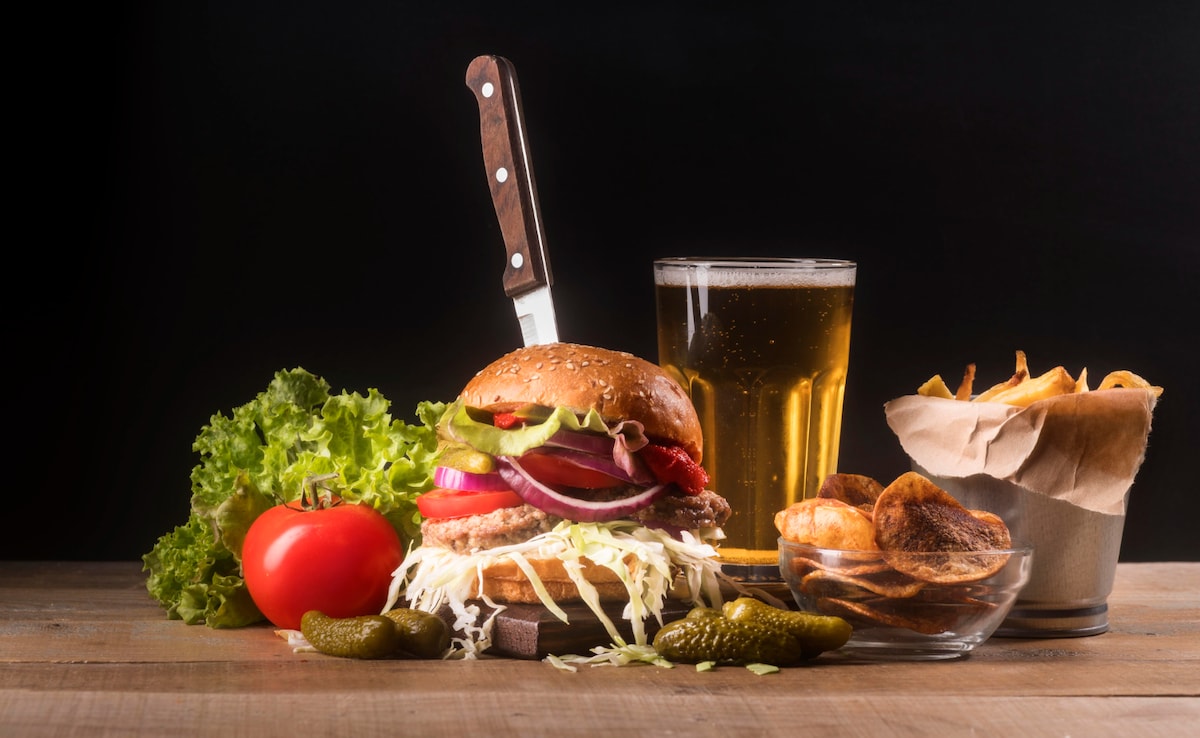
They also recommend cutting back on processed foods, added sugars, and alcohol.
The guidelines are simpler than before, with a focus on eating real food.
They will affect programs like the National School Lunch Program.
Some experts praise the changes, while others are cautious about the advice on saturated fats and processed foods.
The guidelines also include red meat among the various types of protein to consume, which some experts find contradictory.
The administration maintains the previous recommendation of limiting saturated fats to no more than 10% of daily calories.

The 2025-2030 U.S. Dietary Guidelines encourage eating more whole foods, protein, and full-fat dairy while reducing ultra-processed foods and added sugars.
The guidelines recommend 1.2 to 1.6 grams of protein per kilogram of body weight, potentially doubling the previous recommendation.
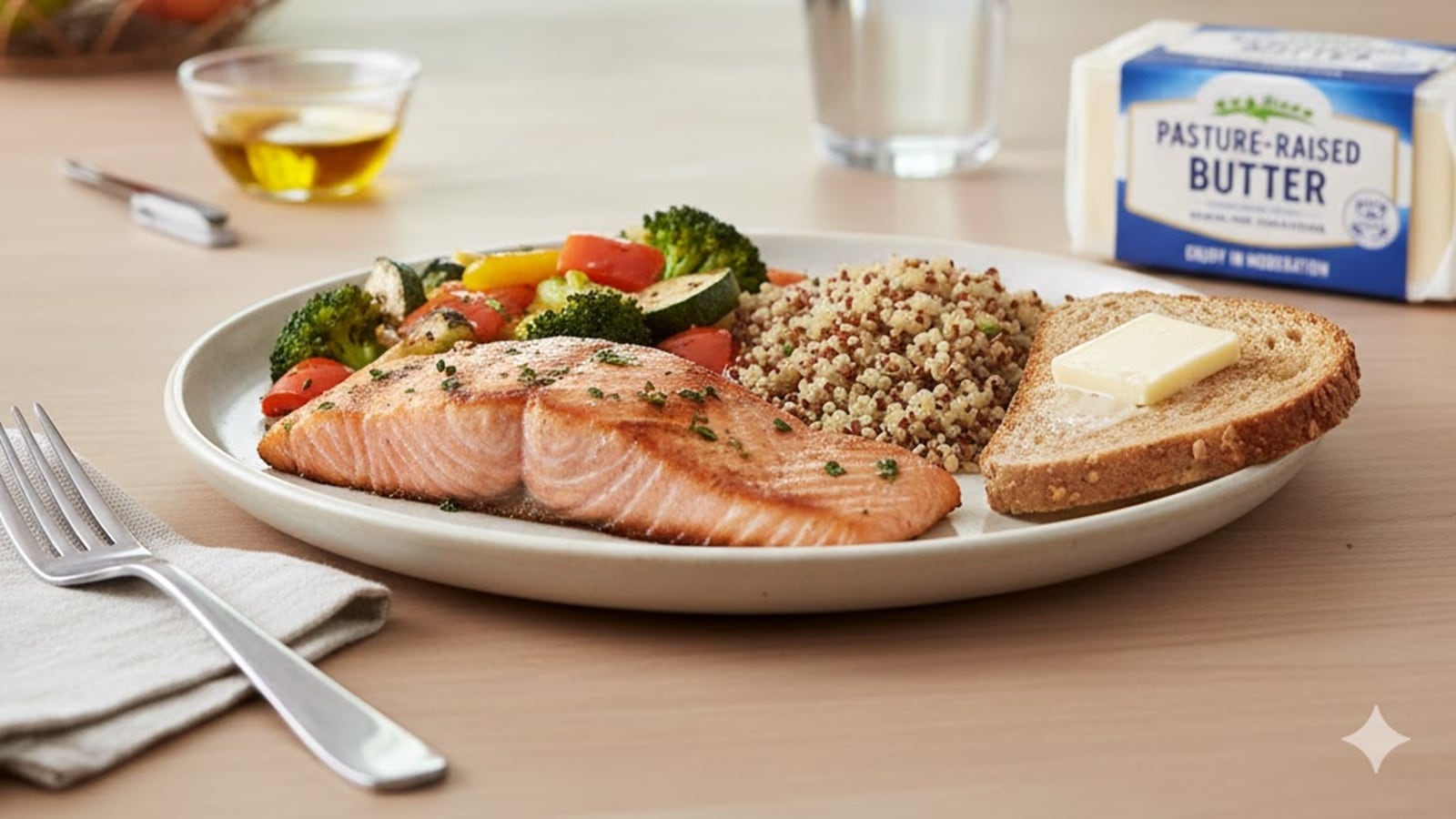
They advise choosing whole-food sources of saturated fat and limiting saturated fat consumption to no more than 10% of daily calories.
The guidelines urge avoiding or sharply limiting added sugars and non-nutritive sweeteners, with no more than 10 grams per meal.
The new guidelines will impact the National School Lunch Program, which feeds nearly 30 million U.S. children daily.
- Who
- U.S. President Donald Trump’s administration, Health Secretary Robert F. Kennedy Jr., Agriculture Secretary Brooke Rollins
- What
- Release of the 2025-2030 U.S. Dietary Guidelines for Americans
- When
- Wednesday, January 7, 2026
- Where
- United States
- Why
- To provide updated recommendations for a healthy diet and guide federal nutrition programs and policies
Nutritionists and Public Health Advocates
Trump Administration
Protein and Fat Recommendations
Nutritionists and Public Health Advocates
The emphasis on animal protein, full-fat dairy, and butter is harmful and contradicts science-based advice.
Trump Administration
The guidelines encourage consumption of red meat and full-fat dairy, placing them on the same tier as vegetables and fruits.
Saturated Fats
Nutritionists and Public Health Advocates
The guidelines are contradictory and vague, potentially leading to excessive saturated fat intake.
Trump Administration
The administration maintains the previous recommendation of limiting saturated fats to no more than 10% of daily calories.
Alcohol Guidance
Nutritionists and Public Health Advocates
The advice to simply 'consume less' alcohol is too vague and unclear.
Trump Administration
The guidelines advise reducing alcohol consumption for better health.
- Guidelines Period
- 2025-2030
- Protein Recommendation
- 1.2 to 1.6 grams per kilogram of body weight
- Saturated Fat Limit
- No more than 10% of daily calories
- Added Sugars Limit
- No amount considered healthy, max 10 grams per meal
- Alcohol Guidance
- Consume less for better health
- Impacted Program
- National School Lunch Program
- Guideline Length
- 10 pages
- Previous Guideline Length
- 164 pages (2020)
- Ultra-Processed Foods in Diet
- About 55% of calories in the average American diet
Sources

New US dietary guidelines urge people to avoid processed foods, added sugar
‘Make America Healthy Again’: Trump admin rolls out new dietary guidelines – What to know

'More protein, less sugar': Trump administration overhauls US dietary guidelines

US replaces MyPlate with new food pyramid under RFK Jr.’s health agenda: Check recommendations here
Yes To Red Meat, No to Sugar: Trump's New Health Guidelines
Avoid Processed Food, Added Sugars: US Unveils New Dietary Guidelines

Trump Administration Ditches Advice To Limit Alcohol To 1-2 Drinks Per Day

'Eat more protein': How new US dietary guidelines contradict food pyramid
‘America is sick’: As new US dietary guidelines recommend less processed food, more protein, cooking with butter; cardiologist weighs in
Mixed nuts: RFK Jr.’s new nutrition guidelines receive uneven reviews
