

Archive · 30 Jan 2026
North Atlantic Right Whales See Baby Boom
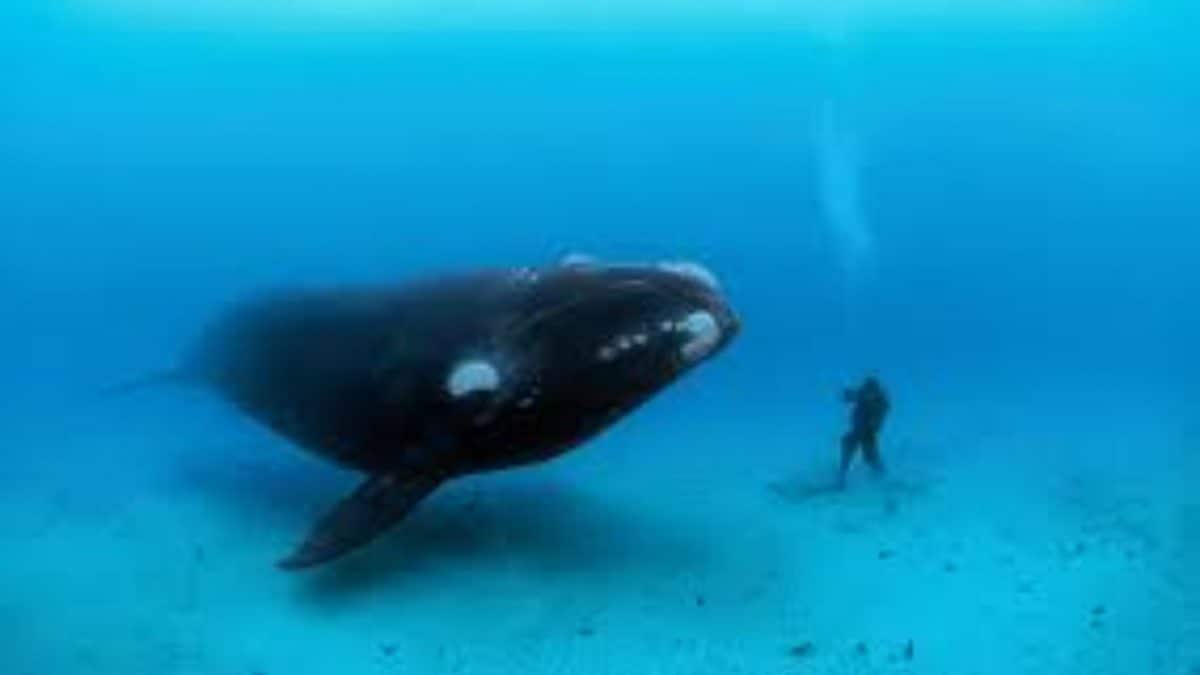
Scientists are excited because many baby North Atlantic right whales have been born this season.
One special whale named Callosity Back, who was first seen as a baby in 2007, came back to Florida after 19 years with her own baby.
This is good news, but the whales are still in danger.
There are only about 384 of them left, and they face threats from boats and fishing gear.
Researchers are working hard to protect them and hope that more babies will help the species survive.

Callosity Back, a distinctive North Atlantic right whale, returned to Florida waters after 19 years with her newborn calf.
The 2025-2026 calving season has seen 21 calves documented so far, a significant increase from previous years.
North Atlantic right whales are critically endangered, with a population of around 384 individuals as of late 2024.
Major threats to the species include vessel strikes, fishing gear entanglements, and cold waters.
Conservation efforts such as dynamic fishing management, ocean gliders, and slower vessel speeds are in place to protect the whales.
- Who
- North Atlantic right whales, researchers, conservationists
- What
- A baby boom among critically endangered North Atlantic right whales
- When
- During the 2025-2026 calving season (mid-November to mid-April)
- Where
- Along the southeastern US coast, primarily in Florida waters
- Why
- Due to conservation efforts and natural resilience, though the species remains critically endangered
- Species
- North Atlantic right whale
- Population
- Around 384 individuals (as of late 2024)
- Calving Season
- Mid-November to mid-April along the southeastern US coast
- Calves Documented (2025-2026)
- 21
- Major Threats
- Vessel strikes, fishing gear entanglements, cold waters
- Conservation Measures
- Dynamic fishing management, ocean gliders, slower vessel speeds
- Notable Whale
- Callosity Back (returned after 19 years with a calf)