

Archive · 24 Jul 2026
Risks of Self-Medication: Experts Warn of Serious Health Threats
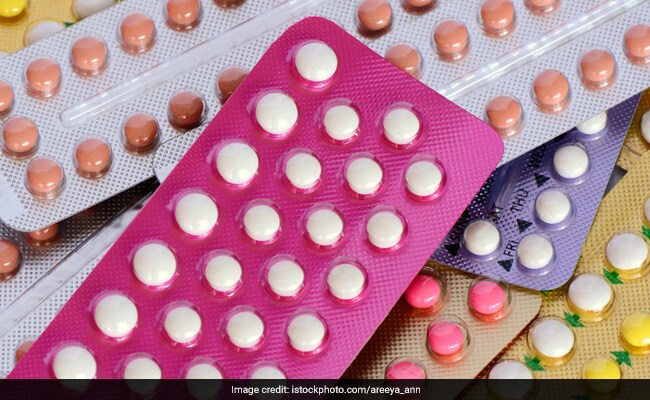
Self-medication is when people take medicines without consulting a doctor.
While it might seem convenient, experts warn that it can be dangerous.
Taking medicines without proper advice can hide serious illnesses, damage organs like the liver and kidneys, and make infections harder to treat in the future.
Antibiotics, for example, should only be used for bacterial infections, not viral ones like the common cold.
Many people, especially in India, self-medicate for symptoms like fever, headache, and cough.
However, this can lead to bigger health problems later.
Experts advise seeing a doctor if symptoms persist or worsen, as early diagnosis can lead to simpler and more effective treatment.
Always consult a healthcare professional before taking any medication to protect your long-term health.

Self-medication is common due to easy access to over-the-counter medicines and online health information.
Experts warn that self-medication can mask serious illnesses and delay proper diagnosis.
Antibiotic misuse contributes to antimicrobial resistance, making future infections harder to treat.
Frequent use of painkillers and other medicines can damage vital organs like the liver, kidneys, and stomach.
High-risk groups, such as older adults and people with chronic conditions, should be especially cautious about self-medicating.
- Who
- General public, especially those with easy access to over-the-counter medicines
- What
- The risks and dangers of self-medication
- When
- Currently, with increasing accessibility of medicines and health information online
- Where
- Globally, with a specific focus on India
- Why
- To raise awareness about the potential health risks of self-medication and encourage consulting healthcare professionals
Convenience of Self-Medication
Health Risks of Self-Medication
Accessibility and Convenience
Convenience of Self-Medication
Self-medication is convenient and accessible, allowing people to treat minor ailments quickly without visiting a doctor.
Health Risks of Self-Medication
Easy access to medications can lead to misuse and serious health risks, including organ damage and antibiotic resistance.
Cost-Effectiveness
Convenience of Self-Medication
Self-medication can be cost-effective, avoiding the expense of doctor visits for minor issues.
Health Risks of Self-Medication
The long-term costs of treating complications from self-medication can be much higher than the initial savings.
Symptom Relief
Convenience of Self-Medication
Self-medication provides immediate relief from symptoms like headaches or fever.
Health Risks of Self-Medication
Masking symptoms with medication can delay diagnosis of serious underlying conditions, leading to more severe health issues.
- Common Symptoms Treated
- Fever, headache, cough, fatigue
- Most Frequently Used Medicines
- Painkillers, antibiotics, old prescriptions
- Percentage of Self-Medication in India
- 64.4%
- Biggest Danger of Self-Medication
- Antibiotic misuse and resistance
- High-Risk Groups
- Older adults, pregnant women, children, people with chronic conditions