

Archive · 6 Jun 2025
Kalamkari Art: Journey from Andhra Pradesh to Thanjavur
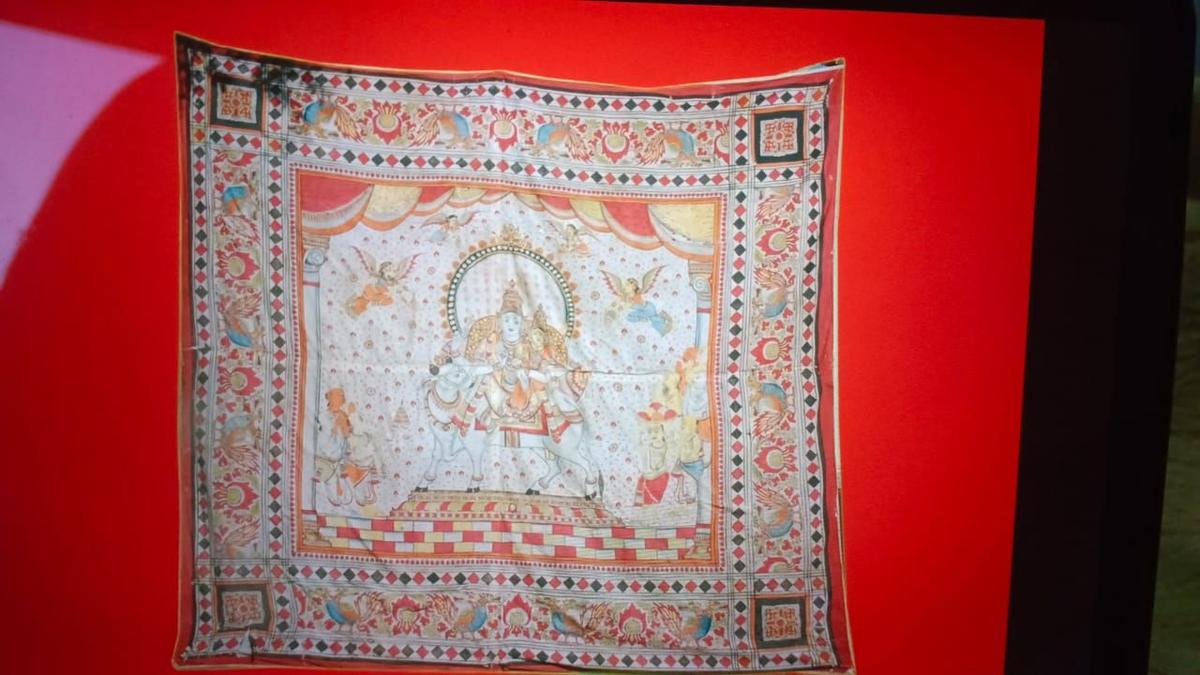
Kalamkari is a hand-painted textile art that started in Andhra Pradesh.
It was brought to Tamil Nadu around 1540 by a ruler named Sevappa Nayak.
The art was used to decorate temples and palaces.
Now it's used for sarees and bags.
Artists are working to keep it alive.
They face challenges like long production times and uncertain sales, but they are still working to preserve it by passing the skills through their families and adapting to modern tastes.
The art uses natural dyes from sources like iron and turmeric, and can take weeks to create.

Kalamkari art originated in Andhra Pradesh and was brought to Tamil Nadu by Sevappa Nayak in 1540.
The art form was initially used to decorate temples and palaces in Thanjavur.
Kalamkari evolved into wearable art such as sarees and duppattas.
Artists like Rajmohan and Lakshmi Narayanan are working to preserve Kalamkari art.
Kalamkari artists face market uncertainties despite growing appreciation.
- Who
- Kalamkari artists such as Rajmohan and Lakshmi Narayanan.
- What
- The history, techniques, and challenges of Kalamkari art.
- When
- Kalamkari art was brought to Tamil Nadu in 1540.
- Where
- Andhra Pradesh, Karuppur and Thanjavur, Tamil Nadu.
- Why
- To preserve and modernize Kalamkari art, while continuing family traditions.
Artists
Market
Focus
Artists
Preserving an endangered art form is a priority, passing down traditions through generations and modernizing designs.
Market
Navigating an uncertain market where handmade items slowly regain customer appreciation and profits are delayed.
- Origin
- Andhra Pradesh
- Royal Patronage in Tamil Nadu
- 1540 by Sevappa Nayak
- Key Locations
- Karuppur, Thanjavur
- GI Tag
- Karuppur style
- Main Products
- Sarees, duppattas, bags, bookmarks
- Colors
- Black from rusted iron, yellow from turmeric, red from cinnamon
- Time for a Saree
- 15-20 days